You notice the small changes first. Your dog takes longer to get up after a nap. Your cat stops jumping to the windowsill she used to claim every morning. Appetite shifts, sleep patterns change, accidents happen, and suddenly you are wondering whether this is normal aging or the start of something more serious. That uncertainty is hard on pet owners, and Sarasota Veterinary understands that older pets rarely make a dramatic announcement when they need help. They just slow down, hide discomfort, or adapt until the problem is impossible to miss.
How Veterinary Clinics Support Senior Pet Wellness comes down to one simple truth. Aging pets need closer attention, earlier screening, and a care plan that adjusts as their bodies change. A veterinary clinic helps by catching disease sooner, easing pain, tracking behavior and weight, and guiding you through choices that protect quality of life instead of waiting for a crisis.
Senior pet care works best when age related changes are caught early
Older pets often look fine right up until they do not. Kidney disease, arthritis, dental pain, thyroid issues, heart disease, vision loss, and cognitive decline can build slowly, and many pets keep eating, greeting you, and moving around enough to seem okay. That is why routine senior exams matter. A veterinarian is not only checking for illness. The clinic is looking for patterns, comparing lab work over time, and spotting the small changes that tell a bigger story.
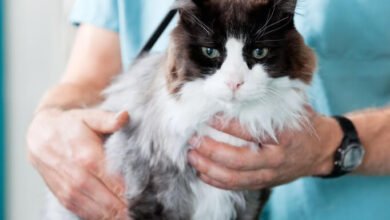
That matters even more with cats, who are experts at masking pain and weakness. Cornell’s guide on loving care for older cats explains how aging can affect mobility, grooming, litter box habits, and comfort at home. Those shifts are easy to brush off until they become daily problems.
Dogs face a similar pattern. A slower walk can be arthritis, but it can also be neurologic disease, heart strain, or muscle loss. Cornell’s report on helping aging dogs increase their quality of life reflects a growing focus on function, comfort, and mobility instead of treating aging as something to simply accept.
The financial side weighs on people too. You may be trying to decide whether a blood panel is really needed, whether dental care can wait, or whether a new medication is worth the cost. The hard part is that delaying care often leads to bigger bills and harder decisions later. A mild kidney change found on routine screening may be managed with diet, hydration support, and follow up. The same problem found after weight loss, vomiting, and weakness is usually more expensive and more stressful.
Veterinary clinic support for aging pets includes prevention, monitoring, and comfort care
Senior pet wellness is not one appointment. It is a framework. Veterinary clinics usually recommend more frequent exams for older pets because six months in a senior pet’s life can bring major physical changes. During these visits, the team may review weight trends, mobility, appetite, thirst, bathroom habits, sleep, behavior, hearing, vision, oral health, and medication response.
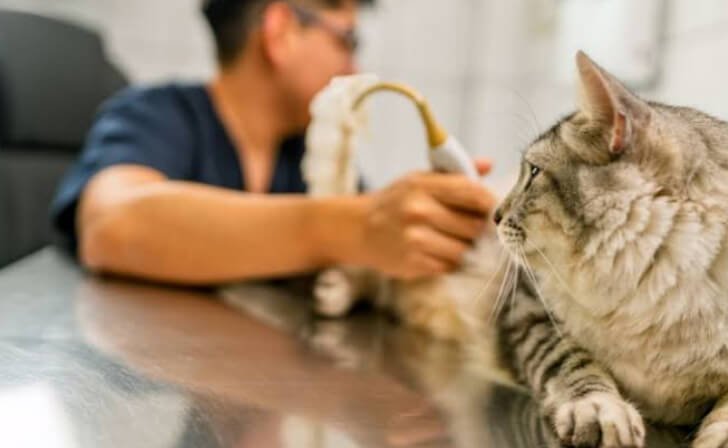
Diagnostic screening is often part of the plan. Blood work, urinalysis, blood pressure checks, fecal testing, imaging, and dental evaluation help uncover problems that are easy to miss at home. The University of Georgia Veterinary Teaching Hospital outlines how senior wellness services support this stage of life through regular monitoring and age focused care.
Comfort matters just as much as diagnosis. A clinic may recommend joint support, pain medication, weight management, home flooring changes, ramps, litter box adjustments, softer bedding, or prescription diets. If your pet has cognitive decline, the plan may also include routines that reduce confusion and anxiety. This is where geriatric pet care becomes deeply personal. The goal is not to chase perfection. The goal is to help your pet eat, rest, move, and engage with less strain.
Home observation and veterinary care work better together
You know your pet’s daily habits better than anyone. A clinic knows which changes signal disease, pain, or decline. The best results come from combining both. If your dog still wags his tail but no longer wants stairs, that detail matters. If your cat still eats but has started dropping food or sleeping near the water bowl, that matters too. Those clues shape the exam and often lead to earlier answers.
| Concern at Home | What Owners Often Assume | How a Veterinary Clinic Helps |
| Slower movement or stiffness | Just old age | Checks for arthritis, injury, neurologic issues, and pain management options |
| Drinking more water | Normal aging | Runs lab work for kidney disease, diabetes, and endocrine disorders |
| Weight loss with normal appetite | Picky eating or activity changes | Looks for thyroid disease, dental pain, cancer, and digestive problems |
| House soiling or litter box changes | Behavior problem | Evaluates pain, urinary disease, cognitive decline, and mobility limits |
| Bad breath or chewing changes | Minor dental issue | Assesses infection, tooth damage, oral pain, and need for dental treatment |
Veterinary care for older pets starts with consistent next steps
Track changes for two weeks. Write down appetite, water intake, bathroom habits, sleep, weight, mobility, and behavior. Short notes are enough. Patterns are easier to spot on paper than in your head, especially when changes are gradual.
Schedule a senior wellness exam before there is a crisis. If your pet is entering the senior years, do not wait for obvious illness. Ask the veterinary clinic what screening schedule fits your pet’s age, breed, and history. Preventive visits usually give you more options and fewer emergency decisions.
Ask for a quality of life plan, not just a treatment list. A good plan covers pain control, nutrition, exercise, home setup, follow up timing, and signs that mean your pet should be seen sooner. That kind of guidance helps you feel less alone and more prepared.
See also: The Benefits of a Pest Control Subscription for Homeowners
Steady support helps senior pets stay comfortable longer
Aging does not mean your pet stops enjoying life. It means the margin for missing a problem gets smaller, and the value of thoughtful care gets bigger. Veterinary clinics support senior pet wellness by helping you catch disease early, manage chronic conditions, and protect the comfort that makes daily life feel good for your pet. If you have started noticing those quiet changes, now is the right time to schedule a visit with a trusted veterinary clinic and build a plan that fits the years ahead.