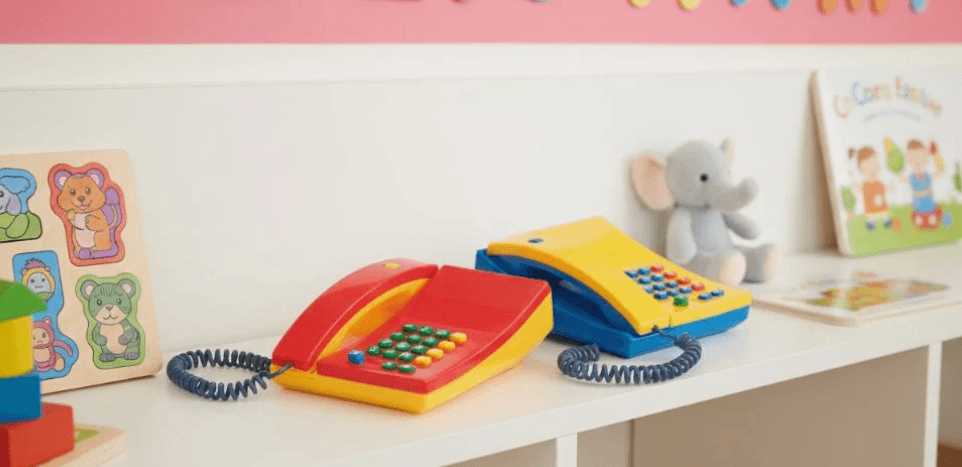
Educational toys sit at a fascinating intersection of child development science, creative design, and manufacturing precision. Unlike ordinary toys built purely for entertainment, educational toys are engineered with a purpose: to nurture cognitive, motor, emotional, and social growth in children while still being fun enough that kids actually want to play with them. Getting this balance right is one of the biggest challenges in the toy industry, and it’s why educational toy design has become its own specialized discipline.
In this article, we’ll explore what makes educational toy design different, the core principles behind it, the stages of the design process, and the trends shaping the industry today.
What Makes a Toy “Educational”?
Not every toy labeled “educational” actually delivers meaningful learning outcomes. A genuinely educational toy is intentionally designed around a specific developmental goal, whether that’s fine motor skill development, early literacy, spatial reasoning, emotional regulation, or STEM concepts like cause and effect.
The best educational toys share a few common traits:
- Purposeful design: Every feature serves a developmental function, not just aesthetic appeal.
- Age-appropriate challenge: The toy should be neither too easy (boring) nor too hard (frustrating).
- Open-ended play potential: Toys that allow multiple ways to play tend to encourage more creative and cognitive engagement than toys with only one “correct” use.
- Safety and durability: Since these toys are often used repeatedly and by younger children, materials and construction must meet strict safety standards.
- Sensory engagement: Texture, sound, color, and movement all play a role in how a child interacts with and learns from a toy.
Core Principles of Educational Toy Design
1. Design Around Developmental Stages
Children learn differently at different ages. A toy meant for a one-year-old needs to focus on sensory exploration and basic cause-and-effect, while a toy for a seven-year-old might introduce logic, sequencing, or early problem-solving. Designers typically reference established developmental frameworks (such as Piaget’s stages of cognitive development) to ensure a toy aligns with what a child is actually capable of understanding and enjoying at a given age.
2. Balance Structure with Open-Ended Play
There’s an ongoing debate in toy design between structured toys (with a clear right or wrong way to use them, like puzzles) and open-ended toys (like building blocks, which can be used in countless ways). The most effective educational toys often blend both, offering enough structure to guide learning while leaving room for imagination and experimentation.
3. Prioritize Material Safety
Educational toys are frequently mouthed, dropped, thrown, and handled roughly. This makes material selection critical. Non-toxic paints, BPA-free plastics, rounded edges, and choke-hazard testing are non-negotiable, especially for toys aimed at children under three. Compliance with international safety standards (such as ASTM F963, EN71, or CPSIA) is a foundational part of the design process, not an afterthought.
4. Design for Engagement, Not Just Instruction
A toy that feels like a worksheet in disguise rarely holds a child’s attention. Good educational toy design disguises learning inside genuine play; bright colors, satisfying mechanisms, tactile feedback, and a sense of accomplishment all keep children coming back, which in turn reinforces the learning objective.
5. Consider the Caregiver’s Experience Too
Parents and educators are often the ones purchasing the toy, so design also needs to account for their priorities: easy cleaning, compact storage, durability, and clear educational value that’s communicated on the packaging.
The Educational Toy Design Process
Designing an educational toy from concept to finished product typically follows several stages:
| Stage | Key Activities | Primary Goal |
| Research & Concept | Study target age group, developmental needs, market gaps | Identify a clear learning objective |
| Sketching & Ideation | Brainstorm form factors, mechanisms, and play patterns | Generate multiple design directions |
| Prototyping | Build physical or 3D-printed prototypes for testing | Validate functionality and ergonomics |
| Child Testing | Observe real children interacting with prototypes | Confirm engagement and learning value |
| Safety Compliance | Test materials and structure against safety standards | Ensure the toy is safe for its age group |
| Manufacturing & Tooling | Finalize molds, materials, and production methods | Prepare for mass production |
| Packaging & Launch | Design packaging that communicates educational value | Bring the product to market |
Each of these stages requires close collaboration between designers, child development experts, engineers, and manufacturers. Skipping steps, particularly child testing and safety compliance, is one of the most common reasons educational toys fail to succeed commercially or, worse, end up recalled.
Manufacturing Considerations
Once a design is finalized, bringing it to life at scale introduces a new set of challenges: sourcing safe materials in bulk, choosing the right production techniques (injection molding, die-casting, textile assembly, etc.), and maintaining consistent quality across large production runs. Many toy brands, especially smaller or newer ones, choose to work with experienced manufacturing partners who specialize in bringing educational toy concepts through prototyping and into full production. This is where working with an established OEM/ODM toy manufacturing partner can significantly reduce the risk and complexity of scaling a design, since these partners already have the tooling expertise, safety compliance experience, and supply chain relationships needed to produce toys efficiently.
Emerging Trends in Educational Toy Design
The educational toy market continues to evolve alongside changes in technology and parenting philosophy. A few notable trends include:
- STEM and STEAM toys: Toys that introduce coding logic, engineering concepts, or basic robotics to children at increasingly younger ages.
- Sustainable materials: A growing number of parents actively seek out toys made from recycled plastics, sustainably sourced wood, or biodegradable materials.
- Sensory and neurodiverse-friendly design: More brands are designing toys specifically to support children with sensory processing differences or autism, focusing on calming textures, predictable mechanisms, and adjustable difficulty.
- Tech-enhanced play: Toys that combine physical play with light app integration, without becoming purely screen-based, are gaining popularity as a middle ground between traditional and digital play.
- Modular and expandable systems: Toys designed to grow with a child, adding complexity over time, extend product lifespan and appeal to value-conscious parents.
Common Mistakes in Educational Toy Design
Even well-intentioned designers can fall into a few recurring traps:
- Overloading a single toy with too many objectives. Trying to teach five skills at once often means none of them are taught well.
- Underestimating the importance of play testing. Assumptions about what children will find fun or intuitive are frequently wrong until tested in person.
- Ignoring the emotional experience. Learning is more effective when a child feels a sense of pride or accomplishment, not frustration.
- Neglecting packaging and communication. Even a brilliantly designed toy can underperform commercially if its educational value isn’t clearly communicated to buyers.
Bringing an Educational Toy Idea to Market
For entrepreneurs and toy brands looking to move from concept to shelf, the path typically starts with a clear design brief rooted in a specific developmental goal, followed by prototyping, testing, and ultimately manufacturing. Partnering with a manufacturer experienced in educational toy OEM/ODM production can help streamline this transition, particularly for brands that don’t have in-house tooling or large-scale production capabilities. A good manufacturing partner can also offer valuable design feedback based on years of experience producing similar products, helping avoid costly missteps before mass production begins.
Final Thoughts
Educational toy design is a deliberate blend of science, creativity, and craftsmanship. The most successful toys don’t feel like lessons; they feel like play, while quietly building the skills children need as they grow. By grounding design decisions in developmental research, prioritizing safety, and partnering with experienced manufacturing teams when scaling production, toy creators can build products that genuinely make a difference in a child’s early learning journey and stand out in an increasingly competitive market.