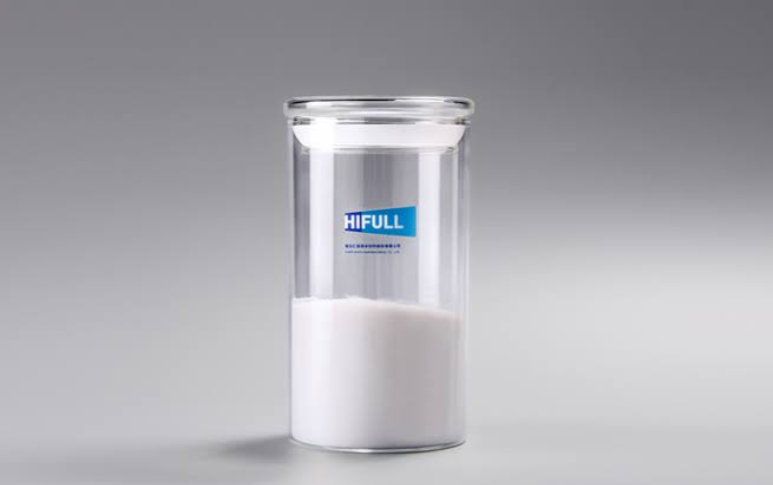
Electrical power infrastructure faces relentless exposure to environmental stresses, from humidity and rain to airborne pollutants that accumulate on outdoor equipment over time. Among the specialty materials that have proven valuable in addressing these challenges, hydrophobic fumed silica has found an important niche within protective coating systems designed for power system components, particularly outdoor insulators and related equipment.
The Challenge of Pollution Flashover in Power Systems
One of the persistent challenges facing outdoor electrical insulators is the phenomenon known as pollution flashover, where accumulated surface contaminants, combined with moisture from rain, fog, or dew, create a conductive layer on the insulator surface. This conductive layer can lead to unwanted electrical discharge across the insulator, potentially causing equipment damage or unplanned outages, particularly in regions with high atmospheric pollution or coastal salt exposure.
Addressing this challenge has traditionally relied on regular cleaning and maintenance schedules, but specialty coatings incorporating hydrophobic additives have emerged as an effective complementary or alternative strategy for reducing the frequency and severity of pollution-related flashover events.
Why Hydrophobicity Matters for Insulator Protection
The core principle behind these protective coatings is maintaining strong water repellency on the insulator surface, even when contaminants are present. When surfaces exhibit strong hydrophobic behavior, water tends to form discrete droplets rather than spreading into a continuous conductive film, significantly reducing the likelihood of a complete conductive path forming across the insulator surface. This hydrophobicity also helps prevent contaminants from becoming firmly bonded to the surface, making natural cleaning through rainfall more effective.
The Role of Hydrophobic Fumed Silica in Coating Formulations
Within silicone-based protective coatings applied to insulators, hydrophobic fumed silica contributes multiple functional benefits simultaneously. Its surface treatment enhances the overall hydrophobic character of the cured coating, complementing the inherent water-repellent properties of the silicone base resin. At the same time, its rheology-modifying properties help ensure consistent, uniform coating thickness across the complex geometries typical of insulator designs, avoiding thin spots that could compromise protection.
Contribution to Coating Durability
Beyond its role in hydrophobicity enhancement, hydrophobic fumed silica also contributes reinforcing properties to the coating film, helping improve mechanical durability and resistance to the physical stresses these coatings encounter during their outdoor service life, including thermal cycling and exposure to UV radiation.
See also: How a Car Mileage Tracker App Can Simplify Business Mileage Records
Long-Term Performance Considerations
One characteristic that makes hydrophobic silicone coatings particularly valuable for power system applications is their ability to maintain hydrophobic performance even after periods of contamination, a property sometimes referred to as hydrophobicity transfer, where the hydrophobic character of the coating gradually migrates to overlay accumulated surface contaminants. Hydrophobic fumed silica formulated appropriately within these coating systems can contribute to sustaining this beneficial behavior over extended maintenance intervals.
A detailed technical discussion of how hydrophobic fumed silica specifically contributes to performance in power system coating applications is available in this resource on hydrophobic fumed silica in power systems which examines the particular formulation and performance considerations relevant to this demanding application area.
Environmental Exposure and Coating Selection
Power system infrastructure located in coastal regions, industrial zones with high airborne pollution, or areas with significant seasonal humidity variation typically faces more demanding performance requirements for protective coatings compared to installations in cleaner, drier environments. Understanding the specific environmental exposure profile helps guide appropriate coating formulation and hydrophobic fumed silica grade selection for optimal long-term protection.
Maintenance Implications of Coating Performance
Effective use of hydrophobic fumed silica within insulator coatings can meaningfully extend maintenance intervals by reducing the rate at which pollution flashover risk builds up between scheduled cleanings. This translates into practical operational benefits for utility operators, including reduced maintenance costs and improved overall system reliability, particularly for infrastructure located in remote or difficult-to-access locations.
Frequently Asked Questions
How long do hydrophobic coatings on power system insulators typically maintain their protective performance? Performance duration varies considerably based on environmental exposure severity and specific coating formulation, with harsher pollution or coastal environments generally requiring more frequent recoating compared to milder conditions.
Can hydrophobic fumed silica coatings be applied to existing installed insulators, or only new equipment? These coatings are commonly applied as a retrofit measure to existing insulators as part of maintenance programs, in addition to being incorporated into new equipment manufacturing processes.
Does hydrophobic coating eliminate the need for periodic insulator cleaning entirely? While these coatings can significantly reduce cleaning frequency requirements, most utility maintenance programs still incorporate some level of periodic inspection and cleaning as part of a comprehensive maintenance strategy.
Conclusion
Hydrophobic fumed silica plays a meaningful role in protective coating systems designed for power system infrastructure, contributing to enhanced water repellency, coating durability, and sustained pollution flashover resistance. As power grids continue to face demanding environmental exposure conditions, well-formulated coatings incorporating this additive offer a practical strategy for improving long-term infrastructure reliability and reducing maintenance burden.