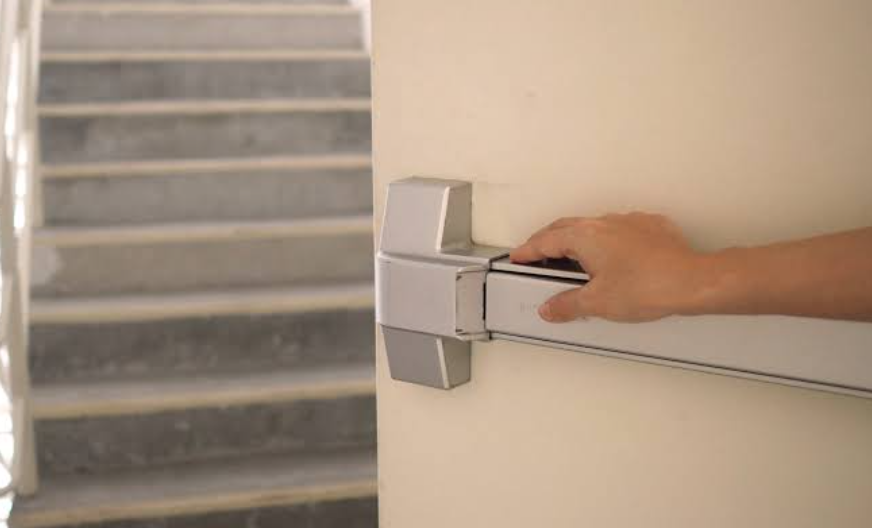
In contemporary architecture, the role of architectural door hardware is often underestimated yet it plays a crucial part in both functionality and aesthetics. From enhancing security to complementing the overall design, door hardware has evolved significantly over the years.
Understanding Architectural Door Hardware
Architectural door hardware includes an extensive range of products such as hinges, door handles, locks, and other mechanisms that form the operational and decorative aspects of doors. These elements are essential for ensuring doors not only function correctly but also contribute to the aesthetic appeal of the building.
The Role in Security and Safety
One of the primary functions of door hardware is to ensure the security and safety of a building. Locks and other securing mechanisms must be robust and reliable, providing occupants with peace of mind. Modern advancements have also seen the integration of smart technologies, offering enhanced security features.
Aesthetic Contributions to Building Design
Architectural door hardware also contributes to the visual aspects of a building. Designers and architects carefully select door hardware that complements the overall aesthetic, considering factors like material, colour, and style. This attention to detail ensures that the hardware enhances the architectural integrity and beauty of the building.
Materials Matter
The choice of material in door hardware significantly impacts both its functionality and appearance. Common materials include stainless steel, brass, and aluminium, each offering different levels of durability, resistance to corrosion, and visual appeal. Selecting the right material is crucial depending on the environmental conditions and intended look.
Technological Innovations
The advent of technology has greatly expanded the possibilities in door hardware. From keyless entry systems to biometric scanners, modern door hardware offers increased convenience and improved security. These innovations are particularly appealing in commercial buildings where access control and monitoring are critical.
See also: Massage Training Online: A Complete Guide to Learning Professional Massage Skills from Home
Ergonomics and User Experience
Aside from aesthetics and security, the ergonomics of door hardware is also essential. Good design considers how users interact with hardware, ensuring ease of use and accessibility. This is especially important in public buildings and for accessibility standards compliance.
Environmental Considerations
Sustainability is increasingly important in architectural design, and door hardware is no exception. Selecting environmentally friendly materials and products that are durable and recyclable contributes to reducing the carbon footprint of a building project.
Specifying the Right Hardware
Choosing the appropriate architectural door hardware requires a comprehensive understanding of the project needs. It involves balancing multiple factors, including security, aesthetics, compliance with regulations, and budget constraints. Consulting with professionals can aid in making informed decisions.
Impact on Building Value
Quality door hardware not only assures safety and aesthetics but also enhances the overall value of a building. Well-selected hardware can improve the longevity of doors, reduce maintenance costs, and appeal to potential buyers or tenants.
Integration with Building Management Systems
Modern buildings are increasingly integrated with building management systems, and door hardware plays a pivotal role in this integration. Smart locks and access control systems can be managed centrally, providing greater control and efficiency in building operations.
A Sustainable Future
The future of architectural door hardware is heading towards sustainable and smart solutions. Innovations that focus on energy efficiency, reduced waste, and user-friendly interfaces are setting trends in the industry, aligning with broader environmental goals.
Customised Solutions
Many manufacturers offer customised door hardware solutions that cater specifically to unique design requirements. Customisation allows architects to maintain a unified design language throughout a project, providing bespoke solutions that meet specific needs and preferences.
Case Studies in Architectural Door Hardware
Looking at successful projects can provide insights into how architectural door hardware can be effectively utilised. Case studies often highlight innovative uses of materials, technology integration, and solutions for complex architectural challenges.
Consultation and Expert Advice
Engaging with experts in door hardware is beneficial for architects and builders. These professionals offer valuable guidance in selecting products that align with design and performance goals, facilitating smoother project execution.
Conclusion: Emphasising Importance
To conclude, architectural door hardware is a vital component in modern architectural design. It ensures safety, enhances the aesthetic appeal, and can significantly influence the functionality and value of a building. Recognising its importance and investing in quality hardware can vastly improve building outcomes.