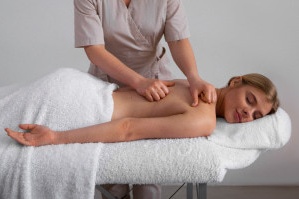
Massage therapy has become one of the most respected wellness practices in modern healthcare. People seek massage for stress relief, pain management, sports recovery, and overall well-being. As demand continues to grow, many aspiring therapists are looking for flexible ways to gain professional knowledge without attending traditional classrooms every day.
Online learning has transformed professional education across many industries, including massage therapy. With high-quality video lessons, interactive learning materials, and guided practical assignments, students can build strong theoretical knowledge while developing practical skills at their own pace.
If you’re considering massage training online, understanding how digital learning works can help you make informed decisions and prepare for a rewarding career in the wellness industry.
Why Online Massage Education Is Becoming Popular
The popularity of online education continues to rise because it offers flexibility without sacrificing quality. Modern learning platforms provide structured lessons, downloadable resources, quizzes, and instructor guidance that make education more accessible.
Many students prefer online learning because they can:
- Study from any location
- Learn at their own pace
- Balance education with work or family commitments
- Review lessons multiple times
- Save travel time and commuting costs
Although massage is a hands-on profession, much of the theoretical knowledge—including anatomy, physiology, ethics, client communication, and treatment planning—can be effectively taught online.
See also: Give Your Vehicle a New Lease of Life with Vehicle Resprays in Telford
What You Learn During Massage Training
Professional massage education covers far more than basic massage movements. Students gain a comprehensive understanding of the human body while learning safe treatment techniques.
Human Anatomy
A strong understanding of anatomy helps therapists identify muscles, joints, tendons, and connective tissues.
Key areas include:
- Skeletal system
- Muscular system
- Nervous system
- Circulatory system
- Lymphatic system
Understanding anatomy allows therapists to apply techniques safely and effectively.
Physiology
Students also learn how different body systems function together. This knowledge improves treatment planning and helps therapists understand how massage affects circulation, muscle recovery, and relaxation.
Client Assessment
Before beginning any treatment, therapists must evaluate client needs.
Assessment often includes:
- Health history
- Pain locations
- Lifestyle factors
- Medical conditions
- Treatment goals
Learning proper assessment helps create personalized treatment plans.
Essential Massage Techniques Covered
Most comprehensive massage programs introduce students to multiple therapeutic approaches.
Swedish Massage
Often considered the foundation of massage therapy, Swedish massage focuses on relaxation through smooth, flowing strokes.
Students learn:
- Effleurage
- Petrissage
- Friction
- Tapotement
- Vibration techniques
These methods improve circulation and reduce muscle tension.
Deep Tissue Massage
Deep tissue techniques target deeper muscle layers and connective tissue.
Therapists use slower, more focused pressure to address:
- Chronic muscle tightness
- Sports-related tension
- Scar tissue
- Limited mobility
Proper technique helps avoid unnecessary discomfort while producing effective results.
Sports Massage
Sports massage supports physically active individuals before and after exercise.
Training includes:
- Warm-up techniques
- Recovery methods
- Injury prevention
- Flexibility improvement
- Muscle maintenance
This specialization is popular among athletes and fitness enthusiasts.
Aromatherapy Massage
Some courses also introduce aromatherapy principles, teaching students how essential oils may complement massage sessions when used appropriately.
Practical Skills in Online Learning
One common question is whether massage can truly be learned online.
The answer depends on understanding how professional education is structured.
Theoretical lessons—including anatomy, ethics, safety, and treatment planning—are well suited for digital learning. Practical techniques are usually demonstrated through detailed instructional videos that students can pause, replay, and practice repeatedly.
Many learners practice on friends, family members, or volunteer models while following instructor guidance.
Some advanced programs also recommend supervised practical assessments before professional practice.
Advantages of Learning from Home
Online education offers several practical benefits that attract students from different backgrounds.
Flexible Schedule
Students can study:
- Early morning
- Evening
- Weekends
- Between work shifts
This flexibility makes education accessible to busy professionals.
Self-Paced Learning
Everyone learns differently.
Online education allows students to:
- Rewatch demonstrations
- Review difficult topics
- Progress at a comfortable speed
- Spend extra time on challenging techniques
This often improves long-term knowledge retention.
Lower Learning Costs
Studying remotely can reduce expenses such as:
- Transportation
- Accommodation
- Daily commuting
- Printed materials
Many learning resources are provided digitally.
Equipment You May Need
Beginning massage students typically practice using basic equipment.
Common items include:
- Massage table
- Massage oils or lotions
- Bolsters
- Towels
- Pillows
- Blankets
As students gain experience, they may add specialized tools depending on their chosen massage techniques.
Professional Ethics and Client Care
Technical skills alone do not create an excellent therapist.
Professional training also emphasizes ethical responsibilities.
Students learn about:
- Client confidentiality
- Professional boundaries
- Hygiene standards
- Communication skills
- Informed consent
- Safety procedures
Building trust is essential for long-term success in massage therapy.
Understanding Contraindications
Massage is not suitable for every situation.
Students learn when treatment should be modified or avoided.
Examples include:
- Open wounds
- Infectious diseases
- Severe inflammation
- Certain cardiovascular conditions
- Recent fractures
- High-risk medical situations
Recognizing contraindications protects both therapist and client.
Developing Strong Communication Skills
Excellent therapists are also effective communicators.
Students practice:
- Listening carefully
- Asking relevant health questions
- Explaining treatment plans
- Discussing client expectations
- Providing aftercare recommendations
Good communication improves client satisfaction and treatment outcomes.
Career Opportunities After Training
Massage therapy skills can support various professional paths.
Graduates may work in:
- Wellness centres
- Day spas
- Sports clinics
- Rehabilitation facilities
- Fitness centres
- Hotels
- Cruise ships
Some therapists also establish independent practices or provide mobile massage services.
Career options often expand with additional certifications and experience.
Continuing Professional Development
Healthcare and wellness industries continue to evolve.
Successful massage therapists regularly update their knowledge through continuing education.
This may include learning:
- Advanced massage techniques
- Trigger point therapy
- Myofascial release
- Hot stone massage
- Pregnancy massage
- Reflexology
Lifelong learning helps therapists provide higher-quality care.
How to Stay Motivated During Online Study
Learning from home requires discipline.
Helpful strategies include:
- Creating a weekly study schedule
- Setting realistic goals
- Practicing consistently
- Reviewing lessons regularly
- Taking notes
- Joining online discussion groups
Small, consistent study sessions are often more effective than occasional long study days.
Choosing the Right Online Massage Course
Not every course provides the same learning experience.
When comparing programs, consider factors such as:
- Comprehensive curriculum
- Clear instructional videos
- Qualified instructors
- Student support
- Practical demonstrations
- Assessments and quizzes
- Certification options
- Updated learning materials
Reading course descriptions carefully helps students choose education that matches their career goals.
Conclusion
Learning massage therapy through digital education has become an accessible and practical option for many aspiring professionals. A well-designed course combines theoretical knowledge with guided practical instruction, allowing students to develop confidence and competence at their own pace. Consistent practice, professional ethics, and ongoing learning remain essential for long-term success in this rewarding field.
Whether you’re exploring a new career or expanding existing skills, massage training online offers a flexible pathway to building valuable knowledge while preparing for future hands-on experience.
Frequently Asked Questions
1. Can massage therapy really be learned online?
Online education effectively teaches anatomy, physiology, ethics, treatment planning, and massage theory through structured lessons and demonstrations. Practical techniques require regular hands-on practice, making the combination of digital learning and supervised experience an effective approach for developing professional massage skills.
2. How long does online massage training usually take?
Course duration varies depending on the curriculum and study pace. Some introductory programs can be completed within a few weeks, while comprehensive professional courses may take several months. Self-paced learning allows students to progress according to their personal schedules and commitments.
3. What equipment is required for practicing massage at home?
Most beginners need a massage table, clean towels, pillows, massage oil or lotion, and a comfortable practice space. Additional accessories such as bolsters and blankets can improve positioning and client comfort while practicing various massage techniques.
4. Is anatomy important for massage therapists?
Yes. Understanding muscles, bones, nerves, and body systems helps therapists apply appropriate pressure safely and effectively. Strong anatomical knowledge reduces the risk of injury while improving treatment quality and enabling better communication with clients about their conditions.
5. What qualities make a successful massage therapist?
Successful therapists combine technical ability with communication, professionalism, empathy, patience, and a commitment to continuous learning. Building trust, maintaining ethical standards, and adapting treatments to individual client needs are equally important alongside practical massage techniques.