Understanding how seasonal variations impact your air conditioning (AC) system is crucial for maintaining optimal performance and extending its lifespan. Every season presents unique challenges that can test your AC unit, potentially causing inefficiencies or breakdowns if not properly addressed.
If you want more detailed local advice or need professional help, click here. This comprehensive guide explores the effects of each season and offers practical maintenance tips to keep your cooling system running at its best all year long.
Your AC is a valuable investment in home comfort, but without proper seasonal care, its efficiency and durability can suffer. From spring pollen to the chill of winter, knowing what to watch for helps prevent costly repairs and keeps your indoor environment comfortable and healthy.
As you read on, you’ll discover how to adapt your AC maintenance routine to each season’s demands, ultimately protecting your unit and lowering energy costs.
The changing weather means your AC’s workload varies throughout the year. Spring’s rising pollen levels can clog filters, summer heat strains components, autumn brings a chance for upkeep, and winter requires protection. With a thoughtful approach, you can address these stresses and keep your system in peak condition, no matter the outside temperature.
Following proven maintenance strategies does more than cut repair bills. It also improves your indoor air quality and provides peace of mind knowing your AC is prepared for anything the weather brings. For further reading on how different HVAC systems handle varying conditions, check out Consumer Reports’ guide to air conditioners.
Spring Challenges: Pollen and Temperature Fluctuations
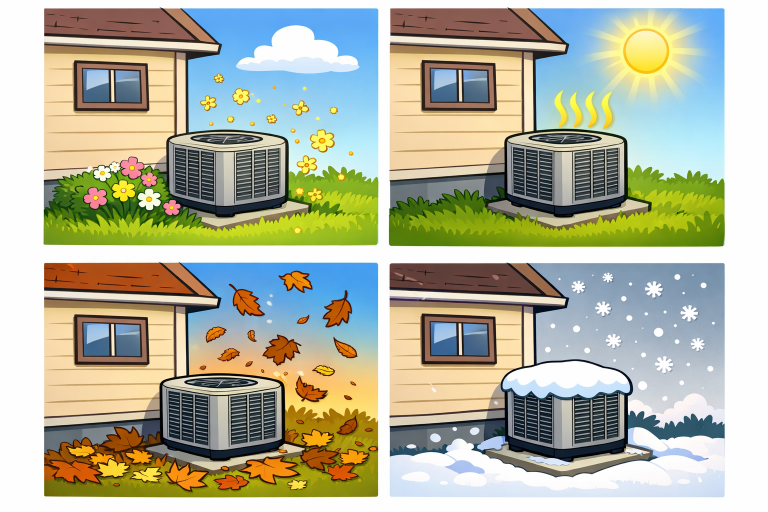
Spring is a season of renewal, but for your air conditioning system, it brings an influx of pollen and dust. These airborne particles are notorious for clogging AC filters and building up on coils.
When filters become blocked, airflow is restricted, forcing your system to work harder just to maintain your desired indoor temperature. Inconsistent spring weather can also prompt frequent on-off cycling, further stressing your AC’s components and risking uneven cooling.
To defend against springtime problems, take proactive steps such as replacing or cleaning filters every few weeks and keeping outdoor units clear of debris. Not only will this help prevent overheating, but it will also preserve your system’s efficiency when you need it most. According to the U.S. Department of Energy, regular upkeep is essential for consistent cooling and healthy indoor air throughout the season.
Summer Strain: Heat and Humidity Overload
Summer places heavy demands on your air conditioning unit. Extended periods of extreme heat and high humidity mean your AC likely runs continuously, increasing wear and tear on essential parts like the compressor and condenser. In some regions, increased usage can even drive refrigerant shortages, a key issue that can elevate costs and threaten performance.
Experts recommend scheduling a professional inspection before the height of summer. This checkup often includes testing refrigerant levels and evaluating the system’s overall health to prevent malfunctions during heat waves. Setting your thermostat to a reasonable temperature and ensuring blinds or curtains block direct sunlight can also help minimize the workload on your AC.
Autumn Maintenance: Preparing for Cooler Weather
As temperatures drop, autumn is the perfect season for addressing any issues that developed over the intense summer months. Conduct a thorough system cleaning, clear debris from around outdoor units, and check for signs of wear or damage. Taking the opportunity to perform preventive maintenance now reduces the risk of unexpected failures and readies your AC for winter’s hibernation.
Another smart autumn step is to cover the outdoor unit with a breathable, waterproof cover to shield it from falling leaves, twigs, and harsh weather. A careful inspection also helps identify small problems before they grow into major issues during the next cooling cycle.
Winter Precautions: Protecting Your AC in Cold Conditions
Though your air conditioning system may be out of use in winter, it remains exposed to the elements. Freezing temperatures can make exterior components brittle or even lead to moisture infiltration, causing rust or fostering mold growth. Properly covering and insulating your unit is crucial, as is checking on the system periodically throughout the winter months.
Avoiding buildup of snow or ice atop the outdoor unit will maintain its condition and prevent long-term wear and tear. These simple precautions ensure your AC is ready to perform come spring and extend the lifespan of your system overall.
See also: How to Prepare Your Waldorf, Maryland Home for a Quick Sale
Year-Round Tips for Optimal AC Performance
- Regular Maintenance: Schedule bi-annual professional inspections to proactively identify and resolve potential issues before they affect your comfort or your wallet.
- Filter Replacement: Replace or clean your air filters every 1-3 months, especially during seasons of heavy pollen or when your system is in frequent use, to support efficient airflow and high air quality.
- Thermostat Settings: Adjust the thermostat settings seasonally to prevent unnecessary strain on your AC and reduce energy consumption.
- Clear Surroundings: Always keep the area around your outdoor unit free from plants, leaves, and other debris to support unobstructed airflow and optimal functioning.
By recognizing how each season affects your air conditioning system and performing targeted maintenance, you can improve efficiency, extend equipment life, and keep your home comfortable year-round. Dedicating time to these care routines will save energy, reduce the likelihood of expensive repairs, and deliver consistent performance from your AC system, no matter the weather outside.