Replacing your home’s windows is a major investment, offering the chance to upgrade energy efficiency, enjoy a fresh new look, and increase property value. However, with so many products, materials, and installation options available, it pays to do your research before making a decision. Working with experienced professional window installation tulsa services in Tulsa OK can help you understand your choices and ensure a job well done. This guide covers the essential factors to weigh when selecting replacement windows, so you can be confident in both your choice and investment.
Before proceeding, examine not just aesthetic upgrades but also potential improvements in home comfort, indoor climate, and overall durability. Replacing windows is not an everyday project, so understanding your needs and the long-term benefits or potential pitfalls is vital. Whether your goal is to reduce noisy streets, address leaky old frames, or boost resale value, a thoughtful window replacement strategy is important for both function and style.
By considering the variety of window styles, frame materials, efficiency features, and installation methods, you’ll be better equipped to select a window solution that adds value in more ways than one. Let’s explore each important element for the best results, from initial assessment to long-term savings and installer selection.
Window replacement can transform your living environment and offer a positive return on investment. However, it’s wise to compare brands, performance ratings, and local installer reputations to avoid costly mistakes and maximize your property’s comfort and curb appeal.
Assessing Your Needs
Start by carefully inspecting your current windows for issues such as drafts, leaks, rot, condensation between glass panes, or difficulty in opening or closing. These signs often indicate it’s time for a replacement, and paying attention to these details ensures your new windows solve more than just cosmetic problems. Consider any history of moisture infiltration or heat loss in winter. If outside noise is a nuisance, look into insulated glass options designed for noise reduction. Your specific priorities, whether energy savings, better security, or improved ventilation, will help define the features you want in new windows.
Understanding Window Styles
Next, familiarize yourself with the various window styles, as their design impacts not only aesthetics but also functionality and maintenance. Some of the most popular include:
- Double-Hung Windows: Both the top and bottom sashes move vertically for flexible airflow and easy cleaning, making these a staple in many homes.
- Casement Windows: Hinged on the side and crank-operated, these open outward and can catch outdoor breezes effectively.
- Sliding Windows: Sashes slide open horizontally, ideal for areas where vertical opening is restricted by walls or cabinetry.
- Bay and Bow Windows: These project outward, creating additional space indoors and offering panoramic views, while also increasing your home’s visual appeal.
Select a style that aligns with your home’s architecture and fulfills your everyday needs, such as privacy, ventilation, and natural lighting.
Choosing the Right Materials
Window frame material plays a major role in durability, maintenance, insulation, and cost. The most common window materials are:
- Vinyl: Affordable, low-maintenance, and energy-efficient, vinyl frames are popular for their longevity and resistance to moisture, but may offer fewer color options than other materials.
- Wood: Favored for its classic charm and excellent insulating properties, wood requires regular painting or sealing to protect against rot and insects.
- Aluminum: Lightweight, strong, and modern, aluminum works well in contemporary homes, though it should include a thermal break to reduce heat transfer.
- Fiberglass: A premium option, fiberglass is sturdy, resists swelling or warping, and performs well in demanding climates, though the cost is usually higher.
Take your local climate, maintenance commitment, and budget into account when choosing the right material for your home.
Energy Efficiency Considerations
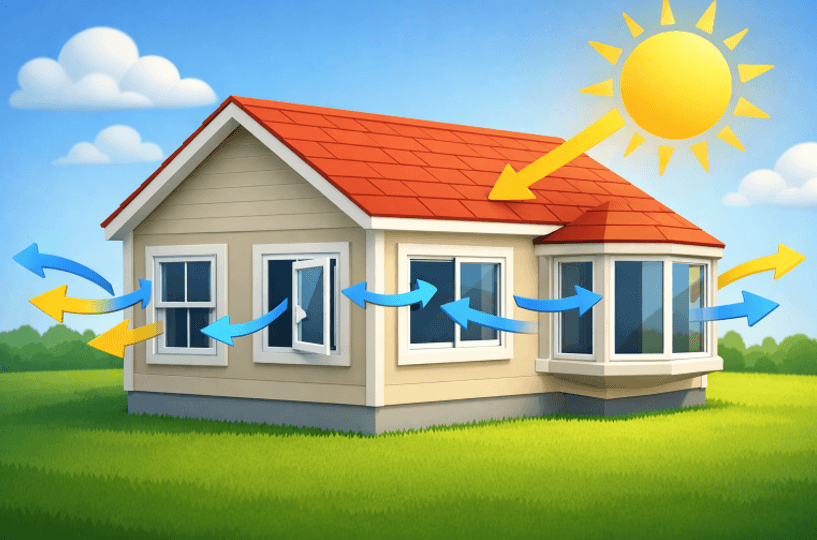
High-efficiency windows are key to controlling home heating and cooling costs, as well as reducing your carbon footprint. Features worth seeking include:
- Low-E Glass: This special coating reflects infrared energy, helping keep your home warm in winter and cool in summer, without blocking natural light.
- Multiple Panes: Double- or triple-pane windows filled with inert gases like argon or krypton provide superior insulation compared to single panes.
- ENERGY STAR Certification: Windows bearing this certification meet strict government energy efficiency standards and often qualify for rebates or tax credits. For more about how ENERGY STAR windows benefit homeowners, visit the U.S. Department of Energy website.
Statistics from the U.S. Department of Energy show that between 25% and 30% of residential heating and cooling energy is lost through windows, so choosing an efficient product pays off in the long run.
Evaluating Costs and ROI
Replacing windows can cost anywhere from $300 to $2,500 per unit, depending on the style, size, material, hardware, and installation approach. Although these upfront costs can be substantial, homeowners often recover between 70% and 85% of the investment through enhanced property value and lower energy bills. On average, replacing old, leaky windows with high-efficiency alternatives can lower annual utility expenses by 13% or more. When budgeting, assess not just the price of windows, but factor in installation fees, permit charges if required, and the potential for repairs to surrounding walls or trim during the replacement process.
See also: Electrical Safety Tips Every Homeowner Should Know
Selecting a Manufacturer and Installer
Quality window replacement relies not only on the product but also on the skill of the installer. Investigate manufacturers with an established track record, robust warranties, and solid customer service. Ask potential installers for references, proof of insurance, and examples of completed projects. A poor installation can undermine the benefits of even the best windows, leading to drafts, leaks, or premature failure. It is wise to compare bids and check reviews before signing a contract to ensure your investment pays off for years to come.
Conclusion
Choosing the right replacement windows involves a careful evaluation of your home’s needs and goals, the available window styles and construction materials, energy-saving features, costs, and installer experience. By taking the time to make informed decisions in each of these areas, you will enhance your home’s comfort, upgrade its appearance, and boost its value for years ahead.