Smart Roofing Decisions: What Every Homeowner Should Know Before Starting a Project

A roof does more than just cover your home—it protects everything beneath it. Yet many homeowners only think about their roof when there’s a visible problem. Whether you’re dealing with aging materials, storm damage, or planning a full upgrade, understanding the basics of roofing can help you make confident, cost-effective decisions.
This guide walks through essential considerations, from choosing materials to timing your project, so you can approach your next roofing decision with clarity.
Why Your Roof Deserves More Attention
Your roof is one of the most critical structural components of your home. It shields against weather, contributes to energy efficiency, and even impacts resale value. Ignoring small issues—like missing shingles or minor leaks—can quickly lead to costly repairs.
Beyond protection, a well-maintained roof also improves:
- Energy efficiency by regulating indoor temperatures
- Curb appeal with updated materials and design
- Home value when it’s time to sell
A proactive approach can save you both stress and money in the long run.
Signs It Might Be Time for a Replacement
Not every roofing issue requires a full replacement, but some warning signs should never be ignored. Knowing what to look for can help you act before damage spreads.
Common indicators include:
- Shingles that are curling, cracked, or missing
- Water stains on ceilings or walls
- Moss or algae growth
- Sagging rooflines
- Frequent repairs within a short time frame
If your roof is over 20–25 years old, it’s especially important to schedule an inspection, even if no obvious issues are present.
Choosing the Right Roofing Material
One of the most important decisions you’ll make is selecting the right material. Each option comes with its own advantages depending on your budget, climate, and aesthetic preferences.
Popular roofing materials:
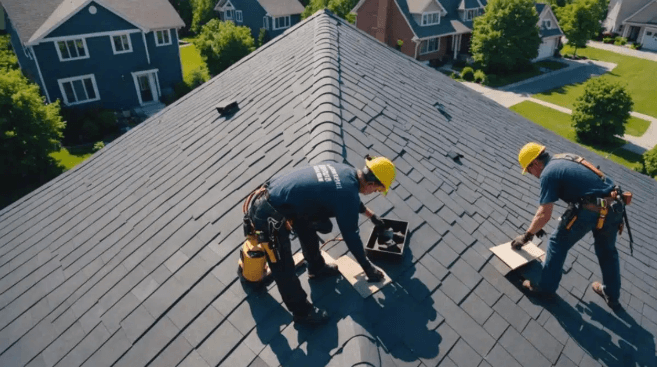
- Asphalt shingles
Affordable, widely available, and easy to install. Ideal for most residential homes. - Metal roofing
Durable and energy-efficient, with a longer lifespan than traditional shingles. - Tile roofing
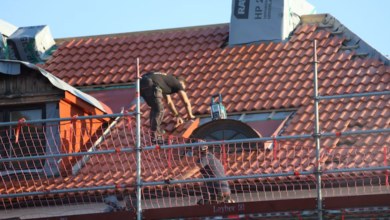
Known for its distinctive look and longevity, but heavier and often more expensive. - Wood shakes
Natural and visually appealing, though they require more maintenance.
When choosing a material, consider factors like weather resistance, maintenance needs, and how long you plan to stay in your home.
Timing Your Roofing Project
Timing can significantly affect both cost and convenience. While roofing can be done year-round in many regions, certain seasons are more favorable.
Best times to schedule:
- Spring and early summer: Mild weather conditions
- Fall: Ideal temperatures for material installation
- Avoid peak storm seasons: To prevent delays or complications
Planning ahead can also help you secure better pricing and availability from contractors.
See also: How Do Convertible Coffee Tables Improve Space Efficiency In Small Homes
Working with the Right Professionals
A roofing project is only as good as the team handling it. Choosing experienced professionals ensures proper installation and long-term performance.
What to look for in a contractor:
- Proper licensing and insurance
- Strong local reputation
- Clear written estimates
- Warranty offerings
- Transparent communication
Don’t hesitate to ask questions or request references. A reputable contractor will always be willing to provide details and explain the process.
If you’re exploring your options or want a clearer understanding of what your roofing project might involve, it can be helpful to learn more at idealroofingandexteriors.com to get additional context on services and solutions available.
Budgeting and Long-Term Value
Roofing projects can be a significant investment, but they don’t have to be overwhelming. Understanding where your money goes can help you prioritize effectively.
Key cost factors include:
- Material choice
- Roof size and complexity
- Labor costs
- Removal of old roofing
- Additional repairs (like decking or insulation)
While it might be tempting to choose the lowest bid, focusing on long-term value is usually the smarter decision. High-quality materials and skilled installation can extend your roof’s lifespan and reduce future repair costs.
Maintenance: Protecting Your Investment
Once your new roof is installed, regular maintenance is essential to maximize its lifespan.
Simple maintenance tips:
- Inspect your roof twice a year
- Clean gutters regularly
- Remove debris after storms
- Trim nearby tree branches
- Address minor issues promptly
Consistent care helps prevent small problems from turning into major repairs.
Final Thoughts
A roofing project is more than just a repair—it’s an investment in your home’s safety, efficiency, and value. By understanding your options, recognizing early warning signs, and working with trusted professionals, you can approach the process with confidence.
Whether you’re planning a full replacement or simply exploring your options, taking the time to research and prepare will always pay off. A well-informed decision today can protect your home for decades to come.