Ensuring the success of a commercial roof replacement project hinges on careful planning, strategic decision-making, and strict adherence to best practices from the roofing industry. Whether you are a property manager or business owner, understanding each stage of the process is vital for optimal results. Learn more here about how to make your commercial roof replacement as smooth and efficient as possible, reducing risks and unexpected costs.
Choosing the right approach for your building not only safeguards your investment but also boosts your facility’s performance, durability, and sustainability. From conducting thorough inspections to engaging skilled contractors and planning for energy efficiency, every detail matters in securing the long-term integrity of your business infrastructure. The following guide outlines the essential steps and considerations to help you confidently navigate your next commercial roof replacement project.
Assess the Current Roof Condition
Starting with a detailed assessment is critical for any commercial roof replacement project. Arrange for a thorough inspection to uncover issues such as existing leaks, ponding water, structural weaknesses, or signs of insulation deterioration. Hiring a licensed professional roofing contractor ensures a comprehensive evaluation that goes beyond surface-level observation and helps determine whether a full replacement or targeted repairs are necessary. Regular roof inspections also play a vital role in catching small problems early, ultimately lowering long-term maintenance costs and extending the roof’s lifespan.
Choose the Right Roofing Material
Selecting appropriate roofing materials is essential for protection and performance. The right material should align with your building’s structural load capacity, regional weather conditions, and unique operational requirements. Popular commercial roofing options include:
- Metal Roofs: Known for their durability, metal roofs withstand diverse climates and require minimal maintenance.
- PVC (Polyvinyl Chloride): This single-ply membrane resists water and chemicals, and offers strong waterproofing qualities.
- TPO (Thermoplastic Polyolefin): Its reflective nature boosts energy efficiency, making it a preferred choice in sunnier, hot regions.
- Modified Bitumen: Highly flexible, these membranes cope well with temperature swings and foot traffic.
It’s advisable to consult with a roofing expert to evaluate each material’s pros and cons as they pertain to your specific setting and environmental needs.
Budget Wisely and Plan for Hidden Costs
Budgeting properly is one of the most fundamental aspects of managing a commercial roof replacement. Your budget should include material costs, labor fees, permitting, waste disposal, and a contingency for unexpected expenses such as structural repairs or hazardous material removal. Comparing itemized estimates from multiple reputable contractors allows for better financial forecasting and transparency regarding the total project scope. Being financially prepared can prevent costly project delays and ensure a smoother experience from start to finish.
Hire Certified and Experienced Contractors
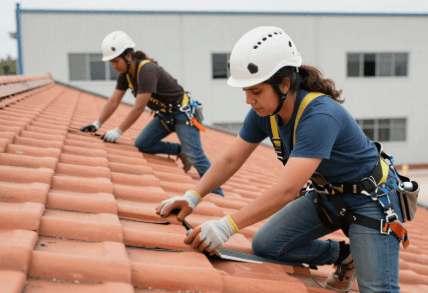
The expertise and track record of your selected contracting team will directly impact the outcome and longevity of your new roof. Prioritize contractors who hold industry certifications, carry proper insurance, and demonstrate proven experience with large-scale commercial roofing projects. Checking portfolios and client testimonials, and confirming references, can help narrow the list to only those firms best equipped to handle the size and specifications of your job.
Prioritize Energy Efficiency
Energy-efficient features integrated into your new commercial roof can deliver ongoing energy savings and reduce environmental impact. Consider options including:
- Cool Roof Coatings and Materials: These reflect more sunlight, decrease heat absorption, and keep interior spaces cooler.
- Additional Insulation: Enhanced insulation helps regulate building temperature, lowering air conditioning and heating costs throughout the year.
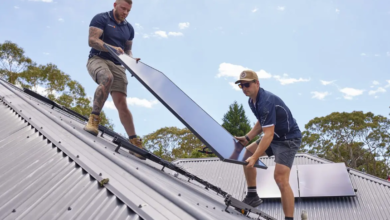
- Solar-Ready Roofing: Installing a roofing system compatible with solar panels paves the way for future renewable energy integration.
- Improved Ventilation: Upgrading rooftop ventilation not only extends roof life but also boosts indoor air quality and comfort for occupants.
Implementing these solutions lays the foundation for long-term savings and sustainable building operations.
See also: How Do Convertible Coffee Tables Improve Space Efficiency In Small Homes
Schedule for Minimal Business Disruption
To ensure ongoing business operations during a roof replacement, careful planning around project timing is required. Schedule work during periods of decreased activity, such as weekends or seasonal lulls, and openly communicate with your contractor regarding crucial operational needs or sensitive areas within the building. Phased construction or after-hours scheduling minimizes noise, dust, and disturbances to daily routines, ensuring productivity and safety throughout the project.
Commit to Post-Installation Maintenance
Once the new roof is in place, proactive maintenance is essential to maximize its service life and maintain your investment. Establish a maintenance routine that involves regular inspections (especially after severe weather), swift repairs of emerging issues, debris removal, and upkeep of drainage systems. Detailed record-keeping of all maintenance activities not only supports warranty claims but also assists with future planning and asset management. Preventive care remains one of the most cost-effective strategies in sustaining building value and performance.
By following these industry best practices for commercial roof replacement, businesses can protect their assets, optimize building efficiency, and ensure a smoother construction experience from inspection to long-term maintenance. A proactive, informed approach will ultimately preserve your property’s structural integrity and minimize unexpected costs in the years ahead.