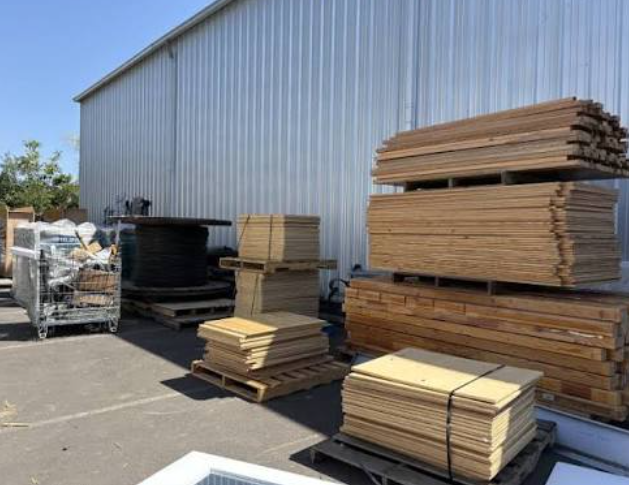
Wood appears in countless construction, renovation, demolition, and maintenance projects. Lumber offcuts, framing, boards, and other wood materials can accumulate rapidly, yet treating every piece as general garbage can overlook opportunities for recovery. A thoughtful wood recycling strategy helps separate suitable material from mixed waste and supports broader efforts to conserve resources.
The process begins on the job site. Once wood becomes heavily mixed or contaminated with unrelated waste, recovering it can become more difficult.
Why Wood Deserves Its Own Waste Stream
Wood is often one of the most visible materials generated during building projects.
Demolition may produce old framing and boards, while new construction creates cutoffs and unused pieces. Renovations can generate cabinetry components, trim, and other wood-based materials.
Keeping appropriate wood separate provides a clearer path for responsible handling.
Separate Wood as It Is Generated
Source separation is one of the simplest ways to improve waste management.
Instead of throwing wood into a general debris pile, establish a dedicated collection area. Workers can place suitable pieces there immediately after removal or cutting.
Make the Collection Area Obvious
A designated zone should be easy to identify and conveniently located. If the wood pile is too far from the active work area, people may default to the nearest mixed-waste container.
Clear signage can help on larger sites.
Keep Contaminants Away
Clean material streams generally provide better recycling opportunities.
Avoid mixing household garbage, food waste, liquids, or unrelated debris into collected wood. If particular pieces contain other attached materials, determine whether separation is practical before adding them to the stream.
Regular inspections can help keep collection areas organized.
Reduce Wood Waste Before Recycling
Recycling should not be the first response when a piece of material is still usable.
Improve Measurements
Careful planning and accurate measurements can reduce unnecessary offcuts.
Store Lumber Correctly
Poor storage can turn usable wood into waste. Protect materials from excessive moisture and other conditions that may cause damage.
Reuse Suitable Pieces
Offcuts may be useful for blocking, small repairs, temporary supports, or other appropriate project applications.
Using material efficiently reduces both purchasing needs and the amount of waste requiring management.
Coordinate Collection and Transportation
Once separated wood begins accumulating, plan how it will leave the site.
Keeping transportation routes and unloading requirements in mind can influence how materials should be stacked. Organized piles are generally easier to handle than scattered pieces.
Municipalities, contractors, and project teams can also benefit from identifying a local material recovery destination as part of their broader waste-management planning.
Wood Recovery in Municipal Waste Strategies
Municipal waste systems handle materials from many different sources. Construction, renovation, property maintenance, and community cleanups can all contribute wood to the waste stream.
Creating clear pathways for suitable materials can support efforts to reduce the quantity of recoverable resources entering general disposal streams.
Education Makes a Difference
Residents and contractors need clear guidance about material separation. When people understand what should remain separate and why, participation becomes easier.
Consistent communication can also reduce contamination.
Track What Your Projects Generate
For organizations managing repeated projects, monitoring wood waste can reveal useful patterns.
If large quantities of unused lumber repeatedly become waste, purchasing or measurement practices may need improvement. If most waste results from demolition, stronger separation procedures may create better recovery opportunities.
Even basic observations can inform future planning.
Connect Wood Management to Landfill Reduction
Every waste stream that can be responsibly diverted reduces pressure on general disposal systems.
Wood is only one component of construction and municipal waste, but managing it separately can contribute to a broader strategy that includes drywall, cardboard, metal, and other recoverable materials.
The greatest results often come from combining waste prevention, reuse, separation, and recycling rather than relying on a single method.
See also: Corporate Catering London Ontario: Making Business Events More Engaging
Conclusion
Managing wood responsibly begins with recognizing it as a distinct material stream. Careful purchasing, accurate measurements, proper storage, reuse, source separation, and recycling can all reduce unnecessary waste.
For construction teams, property managers, residents, and municipalities, creating consistent wood-management practices can improve project organization while supporting material recovery. When suitable wood stays separate from mixed garbage, it has a better opportunity to remain useful instead of automatically becoming disposal waste.