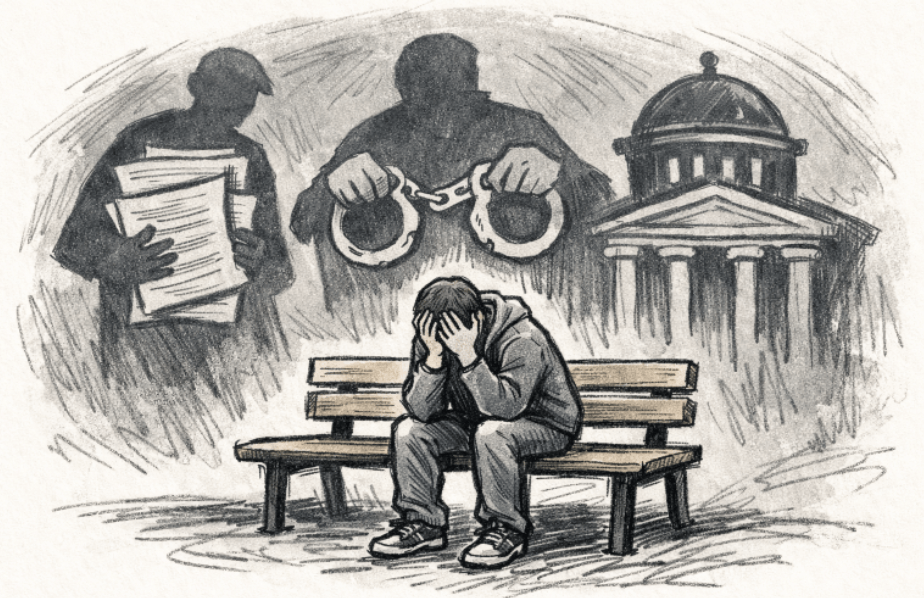
The Unspoken Reality of Criminal Charges
Facing criminal charges is an experience no one plans for, yet it can happen to anyone, regardless of background. When you are charged, the first hours and days are often a blur of emotions and confusion. Most people have little idea what comes next, what their rights are, or how a criminal charge can reshape nearly every aspect of their lives. The procedural language, police interactions, and the looming threat of court dates quickly become overwhelming. Having access to experienced legal representation for DUI charges or other criminal matters can be pivotal to ensuring a fair process and minimizing mistakes.
An arrest can feel isolating, but you are not alone. It is important to recognize that law enforcement and legal processes will not pause for you to get your bearings. Decisions you make in these early moments, what you say or do after your arrest, matter greatly. Self-incrimination happens frequently, often before a lawyer is even present. Even seemingly harmless or honest explanations can be used against you.
The sudden transition from ordinary life to being the subject of a criminal investigation leads to lasting personal and professional disruptions. Employment, family dynamics, and community ties all come under strain. Friends and colleagues may treat you differently, and the stigma can persist long after legal proceedings end. Media coverage can also lead to further consequences in high-profile cases, complicating life for everyone, regardless of guilt or innocence.
The financial toll of facing criminal charges often surprises most people. Legal fees, bail, missed work, and the prospect of future court costs can quickly snowball. There are programs for those who qualify, but many find themselves juggling mounting expenses with an uncertain legal future. Even after the initial charges are resolved, expungement or record-sealing processes involve additional bureaucratic steps and, in some cases, are costly.
The Emotional and Psychological Impact
Beyond the legal and financial hurdles, the overwhelming emotional impact of criminal charges is rarely discussed openly. Anxiety, depression, sleep problems, and strained family relationships are common. Many defendants experience profound embarrassment and shame, which may deter them from seeking the support they need. Professional counseling or support groups can help with coping strategies and emotional resilience, but these resources are often overlooked when the focus is on the legal case.
Collateral Consequences Few Anticipate
The true cost of a criminal charge lies not only in court penalties but in the ripple effect it sends through your life. A conviction can limit future job opportunities, educational access, or travel options. Certain professional licenses become more difficult or impossible to obtain after a conviction. In some states, even a not-guilty verdict or case dismissal does not guarantee the removal of arrest records from public databases, which can lead to ongoing challenges in background checks or rental applications. For a deeper look at these consequences, visit the New York Times’ editorial on expungement challenges.
See also: How Law Firms Track Results From Online Marketing
What Happens After a Charge?
The court process is often long and confusing. From arraignment to pretrial motions and, if applicable, trial, every phase involves specific legal rules and deadlines. Plea bargains may be offered, but deciding whether to accept requires careful legal analysis of the evidence and the implications for your future. Some individuals view accepting a plea as an admission of guilt, while others see it as a practical way to limit penalties. This choice is complicated and should not be made lightly.
Representation by a skilled attorney who understands local laws and court procedures significantly affects both strategy and result. Don’t wait to seek legal advice, as early involvement increases your options and may reduce negative outcomes. For those unable to afford private counsel, public defenders provide essential defense services, though caseloads are often heavy.
Protecting Yourself for the Future
If you are dealing with criminal charges, it is crucial to remain cautious about discussing your case with anyone other than your attorney. Comments shared on social media, text messages, or private conversations may later be used as evidence in court. Emotional support from trusted family members and friends can help reduce stress during this difficult time, but legal advice should always come directly from your lawyer. Take time to learn about your rights, possible outcomes, and defense options. Asking clear questions and staying informed throughout the process can help you make confident, well-informed decisions about your case.
Conclusion
The reality of facing criminal charges is far more unpredictable and life-altering than most people realize. From navigating the maze of the court system to dealing with emotional fallout and lasting life consequences, preparing yourself with the right resources and legal counsel can make all the difference. Seeking prompt and qualified help is essential to minimize harm and protect your future. For further reading on navigating the criminal justice system, explore this NPR guide on interactions with law enforcement.