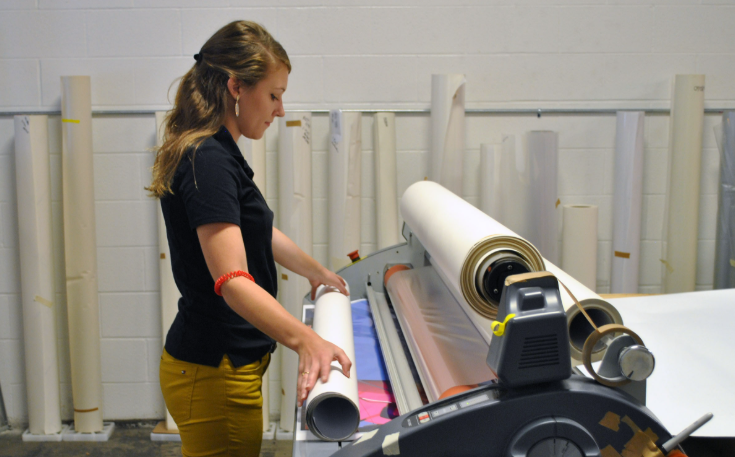
The finishing touches on graphic prints often determine the durability and aesthetic appeal of the final product. One major component that contributes to these aspects is Overlaminate. Overlaminates play a crucial role in protecting printed graphics, ensuring they maintain their structural and visual integrity over time.
What Are Overlaminates?
Overlaminates are protective films applied over printed materials to enhance their longevity and appearance. These films can be made from various materials, each providing different levels of protection and effects. By acting as a barrier against environmental factors, such as UV rays, moisture, and abrasions, overlaminates significantly contribute to extending the life of the graphics.
Applications of Overlaminates
Overlaminates find extensive use in various sectors including signage, vehicle graphics, and packaging materials. In each of these applications, the objective remains the same: to provide a shield against the elements and everyday wear and tear. Overlaminates are also favoured in environments where graphics need to withstand harsher conditions.
Signage Protection
In the realm of signage, overlaminates ensure that signs remain vibrant despite prolonged exposure to sunlight and weather conditions. They prevent the fading of colours, thus maintaining the message’s visibility and clarity over time.
Vehicle Graphics Durability
Vehicles adorned with graphic wraps often utilise overlaminates to sustain the graphics’ vividness. The road can impose several challenges to vehicle graphics, such as dirt, debris, and UV exposure, making overlaminates essential in preserving their pristine look.
Packaging Enhancement
In packaging, overlaminates not only protect the printed content but can also improve the tactile feel and visual appeal of the packaging. This added layer can make packaging more appealing to customers while protecting it from potential damage during handling and shipping.
Types of Overlaminates
Overlaminates come in several types, catering to different requirements. Some are designed to enhance gloss, while others reduce glare through matte finishes. Thermal overlaminates and pressure-sensitive films are among the popular options that cater to specific needs such as temperature tolerance and application method.
Thermal Overlaminates
Thermal overlaminates are applied using heat, which activates the adhesive backing to bond with the print surface. These are widely used when a strong, permanent bond is desired, such as in outdoor signage and vehicle graphics.
Pressure-Sensitive Overlaminates
These are applied through pressure without the requirement of heat. Pressure-sensitive overlaminates offer flexibility and are convenient for on-site applications where heat-based machinery might not be accessible.
Benefits of Using Overlaminates
Utilising overlaminates in the printing and graphics sector offers numerous benefits. They provide a cost-effective solution for prolonging the lifespan of printed materials and enhancing their appearance. Additionally, overlaminates can offer chemical resistance, further enhancing their protective capabilities against accidental spills or exposure to household cleaners.
Environmental Considerations
As with many aspects of manufacturing, the environmental impact of using overlaminates is a concern. Many manufacturers are now producing eco-friendly options that reduce negative environmental impacts while delivering the same level of protection. Selecting biodegradable or recyclable overlaminates helps mitigate ecological repercussions.
Conclusion
A shrewd choice of overlaminate can significantly enhance both the durability and aesthetic quality of graphics. From protecting signage to maintaining the shine of vehicle wraps, these films prove to be invaluable in the world of graphics and printing. Exploring varied types and applications allows businesses and designers to maximise their investments in print media, ensuring visual elements remain impactful over time.