Prenatal care plays a critical role in ensuring the health and well-being of both the expectant mother and the developing baby. In recent years, advancements in medical technology have made it possible to detect and monitor a wide array of health concerns more accurately and earlier in the pregnancy. One such advancement is the Non-Invasive Prenatal Test (NIPT), which has become an essential component of prenatal care.
In cities like Sydney, the nipt test in Sydney is gaining popularity due to its reliability and non-intrusive nature. This article explores the significance of NIPT testing and how it aids in prenatal health management.
Understanding NIPT Testing
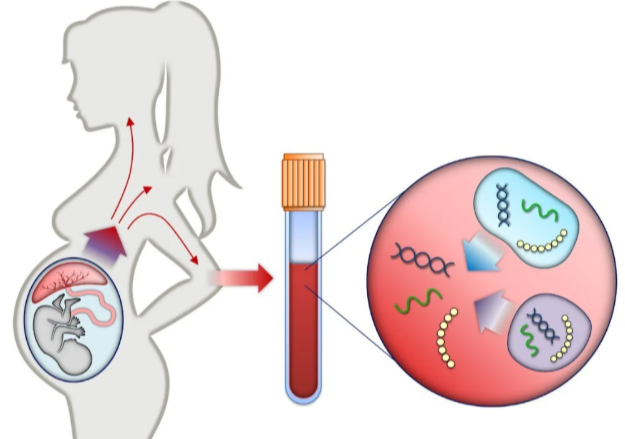
The Non-Invasive Prenatal Test (NIPT) is a screening method used to assess the risk of certain genetic conditions in a developing fetus. Unlike traditional invasive methods, such as amniocentesis, which carry a risk of miscarriage, NIPT requires a simple blood sample from the mother. This makes it a much safer option for both the mother and the baby.
NIPT screening primarily focuses on detecting chromosomal abnormalities like Down syndrome, Edwards syndrome, and Patau syndrome. It analyses small fragments of fetal DNA circulating in the mother’s blood, providing high accuracy in results.
The Benefits of NIPT Testing
The benefits of NIPT testing are substantial. Firstly, it poses no risk to the fetus as it is a non-invasive procedure. This aspect makes it a preferred choice for many expecting mothers who are concerned about the health and safety of their baby.
Another benefit is the early detection capability. NIPT can be performed as early as the 10th week of pregnancy, allowing parents time to make informed decisions regarding their pregnancy and prepare for any special needs their child might have after birth.
Who Should Consider NIPT Testing?
NIPT is suitable for any pregnant woman, but certain groups may particularly benefit from it. Women who are aged 35 and older are often recommended to undergo this test as the risk of chromosomal abnormalities increases with maternal age.
Additionally, those with a family history of genetic disorders or who have had an abnormal first-trimester screening result may also consider NIPT testing for further reassurance.
NIPT Testing Process
The process for NIPT testing is straightforward. After consulting with a healthcare provider, the test involves taking a small sample of the mother’s blood. The sample is then analysed in a laboratory specialized in genetic testing. Results are typically available within a week, providing timely information for prospective parents.
Consultation with Healthcare Providers
Proper consultation with healthcare providers is crucial before undergoing NIPT testing. Genetic counsellors or obstetricians can provide valuable information and help interpret results, guiding parents through the implications of the test outcomes.
Cost Considerations
While NIPT testing offers numerous advantages, cost can be a consideration for some families. It is often more expensive than traditional screening methods. However, many view it as a worthwhile investment in the health and future of their child.
In Australia, certain health insurance plans may cover or partially cover the cost of the test, making it more accessible for families. It is advisable to check with individual insurance providers to know about coverage specifics.
Conclusion
The Non-Invasive Prenatal Test (NIPT) stands as a vital tool in modern prenatal care, offering a safe, reliable, and early detection method for genetic conditions. For expecting parents in Sydney and beyond, opting for an nipt test in Sydney can be an informed decision backed by technological advancements and thorough medical consultation. As with any medical procedure, a thorough discussion with healthcare professionals can ensure the best outcomes for both the mother and the child.