You may have started with crowded teeth, a bite that feels off, or a jaw that clicks when you chew. At first, it can seem like a cosmetic issue, something you could put off, but options like Invisalign in Vernon Hills can help address these concerns. Then the headaches show up, your teeth wear unevenly, or your jaw feels tired after a normal meal. That is usually the moment it stops feeling minor.
The connection between tooth alignment and jaw movement is real. Your teeth, jaw joints, and facial muscles work as one system, and when one part is off, the strain can spread. The connection between orthodontics and proper jaw function matters because a balanced bite can support smoother chewing, clearer speech, less tooth wear, and less stress on the jaw over time. It does not mean every jaw problem needs braces, and it does not mean orthodontic treatment cures every source of jaw pain. It means the bite deserves a careful look when your jaw is not working the way it should.
Orthodontics affects jaw mechanics, not just appearance
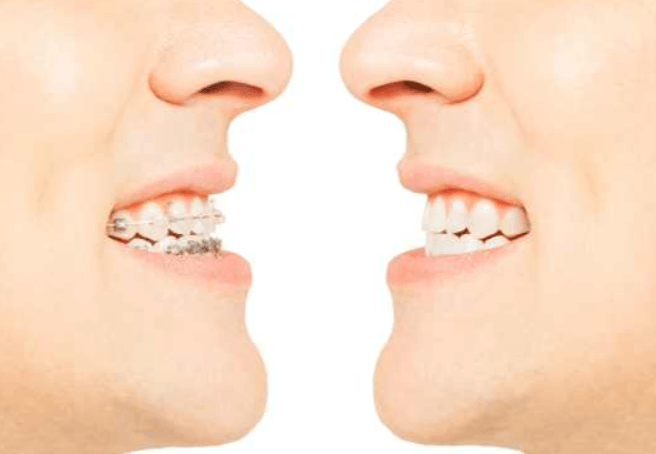
Your upper and lower teeth guide how your jaw closes. When the bite is deep, crosswise, open, or shifted, your jaw may have to slide into position instead of closing in a natural path. You might not notice that movement at first because your muscles compensate. They do the extra work quietly, until they do not.
That is where an orthodontist comes in. Orthodontic treatment can correct spacing, crowding, and bite relationships that place uneven pressure on the teeth and jaw. In plain terms, straighter teeth are only part of the goal. Better contact between the teeth can help the jaw function with less strain.
This is why people with misalignment sometimes deal with chipped teeth, gum recession around certain teeth, or soreness near the temples and cheeks. A bite that is off can create a pattern of force that keeps repeating every day, every meal, every time you clench during stress or sleep.
Jaw discomfort often has more than one cause
If your jaw clicks or aches, you are not imagining it, and you are not alone. Disorders involving the jaw joint and surrounding muscles are grouped under temporomandibular disorders. The National Institute of Dental and Craniofacial Research explains the basics of TMD and jaw joint symptoms, including pain, limited movement, and sounds in the joint.
Jaw problems are not caused only by crooked teeth. Clenching, grinding, arthritis, joint injury, sleep issues, and muscle tension can all play a role. That is why a thoughtful exam matters. If someone tells you orthodontics will fix any clicking jaw without looking at your joints, muscles, bite pattern, and habits, that is a warning sign.
A careful provider looks at the whole picture. They check how your teeth meet, whether your jaw opens evenly, whether the muscles are tender, and whether tooth wear suggests grinding. According to the NCBI overview on temporomandibular disorders, diagnosis often depends on symptoms, history, and physical examination rather than one simple test.
You deserve that level of care because the wrong treatment wastes time and money. If the real issue is nighttime clenching, braces alone may not solve it. If a poor bite is adding stress to an already irritated joint, ignoring alignment may leave part of the problem untouched. This is where orthodontic treatment for jaw alignment becomes part of a larger plan, not a magic fix.
See also: What An Inconclusive Veterinary Test Result Means For Your Pet’s Next Steps
Proper jaw function supports daily comfort and long term oral health
When your jaw moves well, daily life feels easier in ways people rarely think about. Chewing is more even. Speech can feel more natural. Teeth do not grind against each other in the same damaging spots. The muscles of the face and jaw do not have to brace all day just to get your bite lined up.
Children and teens with developing bites may benefit from early evaluation when the jaws do not fit well together. Adults can benefit too, especially when bite problems are causing wear, fractures, or ongoing strain. The goal is not perfection. The goal is a bite and jaw relationship that functions in a stable, healthy way.
Research on TMD treatment approaches also supports a conservative mindset. Jaw symptoms often improve with simple measures first, such as soft foods for a short period, heat, physical therapy, stress reduction, or an oral appliance when appropriate. Orthodontics may be part of care when bite issues are clearly contributing.
Comparing bite related concerns and orthodontic support
| Issue | What you may notice | How an orthodontist may help | Limits to keep in mind |
| Crowding or spacing | Harder cleaning, uneven wear, shifting bite | Align teeth to improve contact and cleaning access | Does not directly treat muscle pain from stress habits |
| Deep bite or open bite | Tooth wear, chewing difficulty, speech changes | Adjust bite relationship to reduce harmful contact | Jaw joint pain may still need separate care |
| Crossbite or jaw shift | Jaw slides to one side, facial muscle fatigue | Guide bite into a more balanced closing path | Severe skeletal issues may need combined treatment |
| Clicking or sore jaw with misalignment | Noise, stiffness, tenderness, headaches | Evaluate whether bite stress is part of the problem | Not every clicking jaw improves with braces alone |
Practical steps to protect jaw function now
Get a bite and jaw evaluation. If your teeth do not meet evenly, your jaw shifts when you close, or you have regular clicking, pain, or locking, schedule an exam with an orthodontist. Ask for a full review of your bite, tooth wear, jaw movement, and muscle tenderness. This is the clearest starting point for jaw function and orthodontics.
Track the patterns you keep noticing. Write down when the discomfort shows up. Morning soreness can point to grinding. Pain during chewing can suggest joint or muscle overload. Headaches after stressful days can signal clenching. That record helps separate random symptoms from a real pattern.
Reduce extra strain on the jaw. Eat softer foods during flare ups, avoid chewing gum, and try not to rest your chin in your hand. Pay attention to where your teeth sit when you are not eating. They should not be pressed together all day. If you suspect grinding or clenching, mention it right away. That detail can change the treatment plan.
A jaw that feels off can wear you down because it affects simple things you do without thinking, eating, talking, sleeping, even smiling without tension. The good news is that you do not have to guess your way through it. An orthodontist can help determine whether your bite is adding stress to the system and whether treatment could support healthier movement and long term comfort.
If your bite feels uneven or your jaw is working harder than it should, schedule an orthodontic evaluation and get clear answers before the problem settles in deeper.