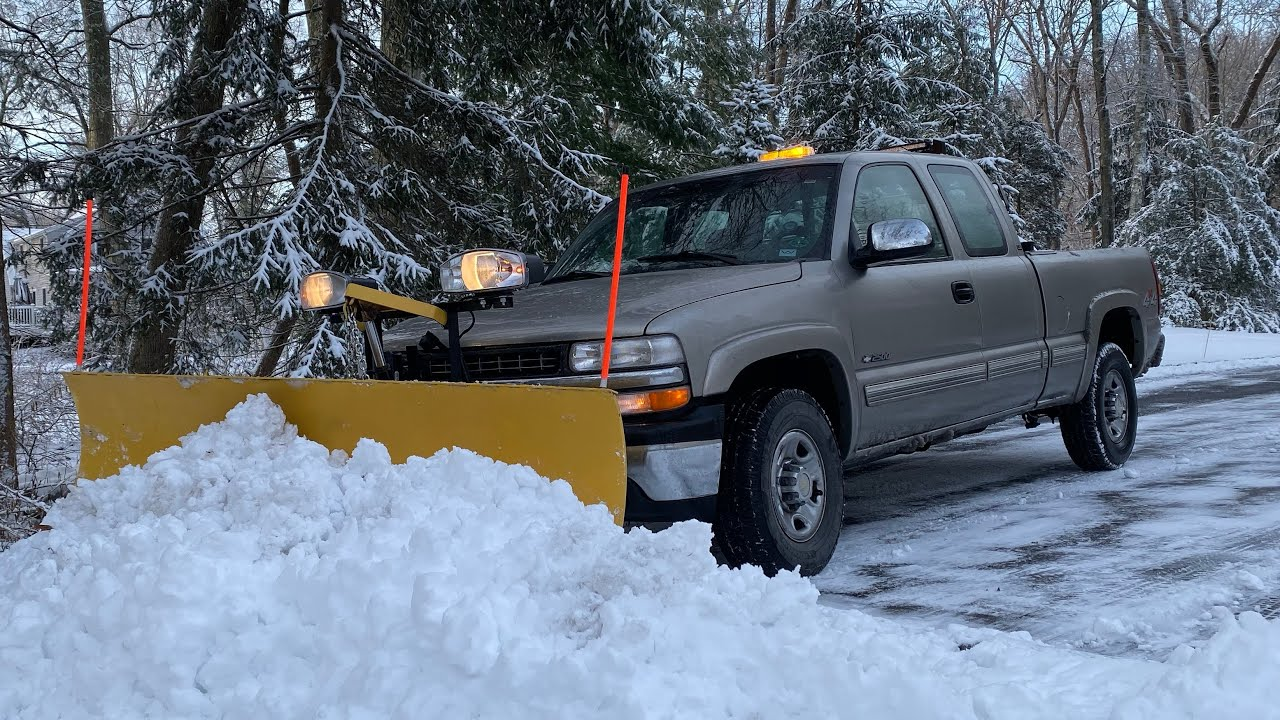
Snow Removal Business Startup Tips: How to Start a Snow Removal Business Without Early-Season Chaos

Why Early Preparation Matters More Than Equipment
Starting strong in winter work isn’t about luck.
A lot of new operators focus on equipment first. Truck, plow, spreader — done. But the real difference between struggling through your first season and building something profitable comes down to how well you understand how to start a snow removal business before the first storm even hits.
Because in this industry, chaos doesn’t start during winter.
It starts before it — and if you want to understand what proper preparation actually looks like, visit here.
Why Most New Operators Struggle Early (And How to Avoid It)
Every year, new operators enter the market expecting quick wins.
And some do get them — for a few weeks.
Then things shift.
Clients start calling at the same time
Routes feel disorganized
Equipment issues show up under pressure
Expectations become unclear
The problem isn’t demand. There’s always demand.
The problem is structure.
Learning how to start a snow removal business properly means building systems before the workload arrives — not trying to fix things while it’s snowing. If you want to see how that structure actually looks in practice, learn more here.
How to Start a Snow Removal Business and Win Clients Before Winter Even Begins
If you want steady work, you need clients locked in early.
Waiting until the first snowfall is one of the biggest mistakes new operators make.
See also: Smart Roofing Decisions: What Every Homeowner Should Know Before Starting a Project
Start outreach before competitors get busy
The strongest operators start in late summer or early fall. That’s when property managers and homeowners are still planning — not reacting.
Focus on:
- small commercial sites
- residential clusters (dense neighborhoods)
- property managers handling multiple locations
Build trust before selling
Property owner education plays a huge role here.
Instead of just offering a service, explain:
- why early clearing matters
- how ice forms after delays
- what risks they face without consistent service
That positions you as a professional — not just another operator with a shovel.
The Hidden Key to Property Owner Education (And Why It Wins You Contracts)
Most competitors skip this step.
They talk about pricing. You should talk about problems.
What property owners actually care about
They’re thinking about:
- slip-and-fall risk
- tenant complaints
- access issues during storms
- liability exposure
When you frame your offer around those concerns, you’re not selling snow removal.
You’re selling peace of mind.
Contracts, Triggers, and Expectations: Where Chaos Either Starts or Stops
A weak contract creates strong problems.
A strong contract prevents them.
Define your service triggers clearly
This is critical when learning how to start a snow removal business the right way.
Spell out:
- snowfall depth triggers
- ice or freezing rain conditions
- priority response timing
Set expectations before the first storm
Include:
- service windows
- communication methods
- limitations during extreme weather
This avoids the “Why weren’t you here yet?” calls at 3 a.m.
Equipment and Route Planning: Keep It Simple, Keep It Reliable
You don’t need to look big.
You need to be dependable.
Start with equipment that matches your work
A basic setup can include:
- pickup truck with plow
- snowblower or sidewalk tools
- salt or de-icing capability
The goal isn’t scale. It’s consistency.
Build routes that actually make sense
One of the most overlooked parts of how to start a snow removal business is route density.
Keep jobs close together.
A tight route means:
- less driving
- faster response
- more revenue per hour
Scattered jobs look good on paper — but they kill efficiency during real storms.
Real Contractor Story: What a First Season Actually Looks Like
One contractor in Alberta started with just a used pickup and a basic plow setup.
No big contracts. No team. Just a small residential route he built by knocking on doors in one neighborhood.
At the beginning, it felt slow. A few clients here and there. Some nights with no work at all.
Then the first real storm hit.
He cleared 12 driveways that night. It took hours, longer than expected, and everything felt rushed. But something important happened — those same clients called him again for the next snowfall.
By mid-season, he wasn’t looking for work anymore. He was managing it.
The biggest lesson he shared later was simple:
“It wasn’t the equipment that changed things. It was getting organized early.”
Simple Earnings Example: What a Small Route Can Actually Generate
Let’s keep it realistic.
Say you build a small residential route:
- 15 homes
- average $50 per visit
That’s:
$750 per snowfall
Now multiply that by just 8 solid snow events in a season:
$6,000 from one small route
Add basic salting services or a few more properties, and that number grows quickly.
This is why understanding how to start a snow removal business properly matters — the structure behind your route determines how profitable your time becomes.
How Snow Removal Expert Helps Reduce Early Mistakes
This is where many new operators get stuck.
They try to build everything from scratch.
Working with a structured system like Snow Removal Expert changes that.
Instead of figuring out:
- where to find clients
- how to manage routes
- how to handle dispatch
You’re stepping into a setup that already prioritizes:
- fast, reliable snow clearing
- modern equipment standards
- 24/7 service
- safety-focused ice control
- transparent pricing
- organized scheduled plans
That kind of structure helps reduce early mistakes — especially in your first season.
Avoid Early-Season Chaos With These Practical Startup Habits
The difference between stressful winters and controlled ones often comes down to habits.
Before the first snowfall
- inspect all equipment
- confirm contracts and routes
- mark site hazards
- test communication systems
During the season
- track weather patterns daily
- stay ahead of storms
- document your work
After each event
- review efficiency
- adjust routes
- stay in touch with clients
Consistency builds reputation — and reputation builds repeat work.
Final Thoughts: The Real Strategy Behind a Strong Start
Starting a winter operation isn’t complicated.
But it is unforgiving.
If you’re serious about learning how to start a snow removal business, focus on this:
Get clients early
Set clear expectations
Build tight routes
Stay consistent under pressure
The opportunity is real.
But the operators who succeed aren’t the ones who react fastest.
They’re the ones who prepared before winter even started.