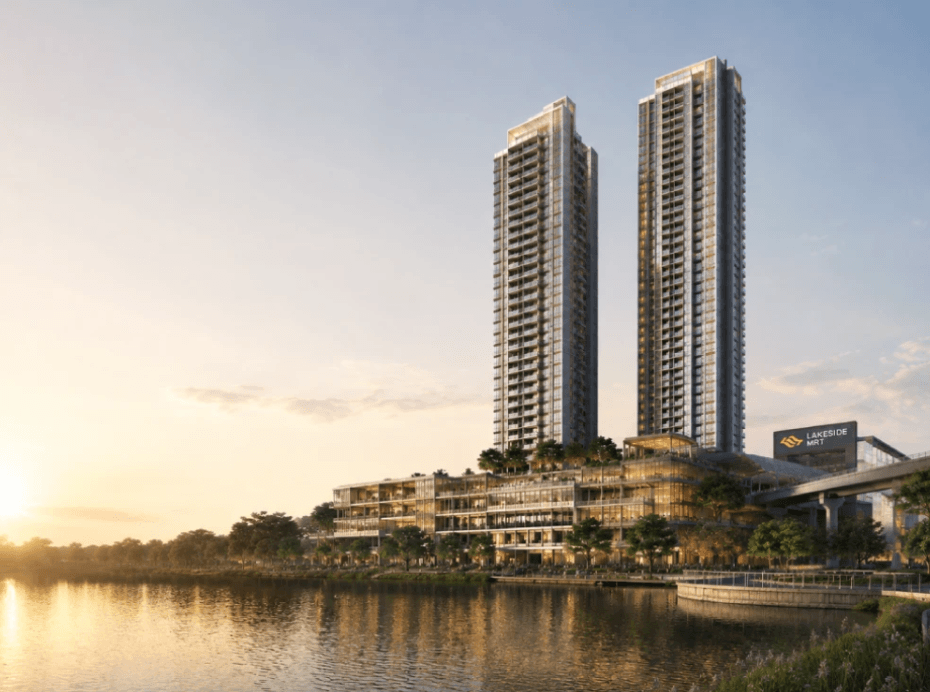
Buying a condominium represents a major financial milestone for many homeowners. When you invest in a premium development like Thomson Reserve, your monthly financial obligations extend beyond your mortgage payment. Condo owners must contribute to two distinct financial reserves: the management fund and the sinking fund. While these monthly contributions might seem like a single, unified expense on your monthly invoice, they serve entirely different purposes in maintaining the estate. Understanding the mechanics of these funds helps you evaluate the financial health of a residential development. It also ensures you are not caught off guard by sudden special assessments or unexpected fee hikes down the line.
Demystifying the Management Fund (Maintenance Fees)
The management fund, often referred to as the administrative or maintenance fund, handles the day-to-day operational expenses of a condominium. This fund acts as the estate’s primary checking account, covering recurring costs that keep the property running smoothly on a daily basis. For instance, at a large-scale development like Lucerne Grand, the management fund pays for the monthly utility bills of common areas, security guard services, regular pool cleaning, and landscaping maintenance. It also covers the salaries of the property management staff and routine pest control services.
Because these expenses occur regularly, the property management team can project them with a high degree of accuracy. The management committee reviews these operational costs annually during the general meeting to determine if the current monthly levy remains sufficient. If energy costs rise or security contracts become more expensive, the management fee might increase to prevent the fund from falling into a deficit. If a deficit does occur, the management corporation might have to temporarily scale back on non-essential services, such as reducing gym operating hours or delaying minor cosmetic repairs. Keeping this fund balanced is crucial for daily comfort.
The Sinking Fund: Planning for the Future
In contrast to daily operational expenses, the sinking fund is a long-term savings account designed for capital expenditure. This fund accumulates money over many years to pay for major, non-recurring projects that inevitably arise as a building ages. For example, the management at Thomson Reserve must plan for substantial future undertakings like repainting the entire facade, upgrading the elevator cabins, or replacing the roof membrane. These projects cost hundreds of thousands of dollars and cannot be funded out of the daily operational budget.
Property managers use professional surveyors to conduct life-cycle costing analyses, predicting when major components will fail and how much they will cost to replace. By collecting a small portion of the sinking fund contribution from every owner each month, the estate spreads these massive expenses over decades. This systematic collection prevents current owners from bearing the entire financial burden of a project that benefits future residents. Without a robust sinking fund, a condominium faces rapid physical deterioration, as the management will lack the capital required to execute essential structural repairs when components reach the end of their operational lifespan. Furthermore, a depleted sinking fund often forces the committee to levy a sudden, high-value special assessment on all unit owners, demanding thousands of dollars on short notice to cover emergency repairs.
Key Differences and Financial Allocations
Understanding how these two funds interact is crucial for assessing a condominium’s financial sustainability. The main difference lies in the predictability and timeframe of the expenditures. The management fund deals with the present, while the sinking fund secures the future. Legally, property management corporations must keep these accounts strictly separated; they cannot use sinking fund reserves to pay for daily security services or landscaping bills.
When you receive your monthly bill at a development like Lucerne Grand, your total contribution is split between these two funds based on share value. Share value is determined by the size and type of your unit, meaning owners of larger apartments contribute more to both pools of capital. Typically, the management fund receives a larger percentage of the monthly fee because daily operational costs are constant and immediate. However, as a building passes its ten-year mark, the allocation toward the sinking fund often increases to prepare for upcoming structural renewals. Prospective buyers should always request the audited financial statements of both funds to ensure the estate allocates resources wisely and maintains a healthy balance between immediate upkeep and long-term capital preservation. An imbalance where too much money goes to daily operations at the expense of long-term savings is a major red flag that indicates potential financial distress in the coming decade.
See also: Top 5 Incentives for New Businesses in Singapore You Should Know
Why Healthy Funds Protect Property Value
The financial health of these two funds directly influences the market value of your property. Savvy buyers and real estate agents look closely at financial statements before making an offer on a condominium unit. If you look at high-performing properties like Thomson Reserve, their strong market valuation is partly due to pristine common areas and well-funded reserve accounts. Conversely, if a development like Vela Bay suffers from neglected maintenance because of a depleted management fund, the physical decay becomes immediately apparent to visitors. Peeling paint, broken gym equipment, and slow elevators discourage buyers and drag down property values.
Additionally, banks and financial institutions may hesitate to approve mortgages for units in buildings with poorly managed funds, as they view the property as a high-risk collateral asset. A healthy sinking fund acts as a financial shield, protecting owners from unexpected financial shocks and preserving the aesthetic appeal of the estate. Investing in a condo with solid financial reserves ensures that your asset appreciates steadily over time, offering peace of mind alongside a comfortable living environment. Ultimately, paying slightly higher monthly fees to maintain healthy funds is far more cost-effective than dealing with depreciating property values and sudden, expensive emergency levies.
Final Thoughts
Managing the financial realities of condominium ownership requires a clear understanding of where your monthly contributions go. The management fund keeps the estate running smoothly today, while the sinking fund guarantees its structural integrity and aesthetic appeal tomorrow. Whether you are considering a modern home in a premium development or evaluating other real estate options, analyzing the health of these funds is a critical step in your due diligence process. Well-managed funds prevent unexpected levies, maintain high property valuations, and ensure a harmonious living experience for all residents. By paying close attention to these financial facts, you can make an informed investment decision that protects both your lifestyle and your long-term capital.</