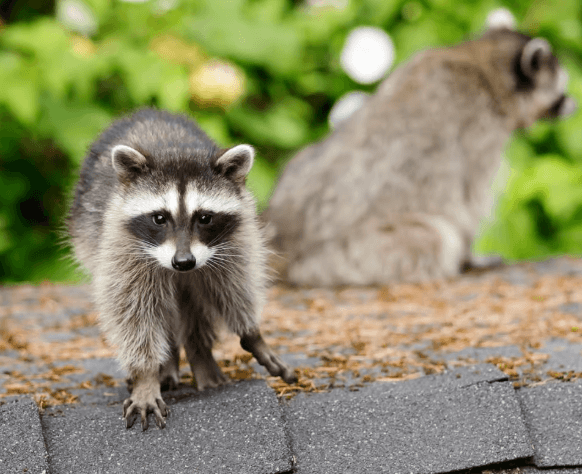
Hearing scratching above the ceiling or discovering overturned garbage outside can quickly turn an ordinary evening into a stressful one. Raccoons are intelligent, adaptable animals that often find residential properties appealing because attics, roofs, sheds, and crawl spaces can provide shelter.
When signs of activity appear, homeowners should avoid ignoring the problem. Professional raccoon removal london solutions focus on addressing the immediate wildlife issue while also identifying how the animal entered the property.
Why Raccoons Enter Residential Properties
Raccoons usually enter buildings because they are looking for safety, warmth, or a suitable place to raise their young. An attic can provide many of the conditions they seek, particularly when an opening already exists around a roofline.
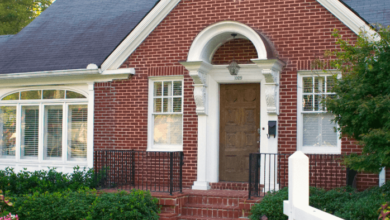
Loose soffits, damaged vents, roof gaps, uncapped openings, and deteriorating exterior materials can create potential access points.
Food availability can also encourage activity around a home. Unsecured garbage, pet food, fallen fruit, compost, and other accessible food sources may attract wildlife to a property.
Signs You May Have a Raccoon Problem
Raccoon activity is not always immediately visible. Often, homeowners first notice indirect warning signs.
Common indicators include scratching or movement at night, damaged vents, disturbed insulation, droppings, unusual odours, roof damage, and visible tracks.
Because raccoons are largely active after dark, nighttime sounds in an attic can be particularly noticeable.
Why Professional Raccoon Removal Matters
Trying to handle a wild raccoon without appropriate knowledge can create unnecessary risk. A frightened or cornered animal may defend itself, while improper removal may leave an entry point unresolved.
A professional approach considers more than simply getting an animal out of the building.
The property should be inspected to determine where wildlife activity is occurring, which openings are being used, and whether additional vulnerable areas exist.
Homeowners looking for local wildlife removal assistance can benefit from choosing an approach that combines removal with practical prevention.
What Happens During a Property Inspection?
A thorough inspection can reveal clues that might otherwise go unnoticed.
Identifying Active Entry Points
Technicians may examine roof edges, soffits, vents, chimneys, exterior walls, and other areas where an animal could gain access.
Tracks, staining, disturbed materials, or damage around an opening can help determine whether a particular location is active.
Checking for Additional Wildlife Concerns
Raccoons may not be the only wildlife using vulnerable parts of a structure. Therefore, examining the broader property can help identify other potential access areas.
This makes raccoon removal London particularly valuable when homeowners want to address both the current problem and the conditions that allowed it to develop.
Preventing Raccoons From Returning
Prevention starts by reducing opportunities.
Garbage containers should remain securely closed. Pet food should not be left outdoors overnight, and potential food sources around the yard should be managed carefully.
Building maintenance is equally important. Damaged soffits, weakened vents, gaps, and deteriorated roof components should receive attention before wildlife can take advantage of them.
Homeowners should also periodically inspect less visible areas of their property.
Why Early Action Helps
Wildlife problems can become more complicated when animals remain inside a structure for an extended period. Insulation may become disturbed, entry openings can worsen, and contamination may accumulate.
Early raccoon removal London intervention can therefore reduce disruption and make preventative work easier to manage.
Choosing a Responsible Removal Approach
Effective raccoon removal London should balance property protection with responsible wildlife handling. The goal is not merely to respond to noise or visible activity but to understand why the animal gained access.
A thoughtful plan considers entry points, structural vulnerabilities, possible young, and future prevention.
That broader perspective makes raccoon removal London more useful than a temporary response that leaves the underlying access problem untouched.
See also: How to Create an Effective Website Homepage: Strategies for Maximum Engagement
Conclusion
A raccoon inside an attic, roof space, shed, or another part of a property deserves prompt attention. Recognizing warning signs early and avoiding unsafe do-it-yourself handling can help homeowners make better decisions.
Professional raccoon removal London focuses on locating wildlife activity, addressing access points, and reducing the likelihood of another intrusion. Combined with secure waste storage and regular exterior maintenance, raccoon removal London can help homeowners protect their property while responding to wildlife in a practical and responsible way.