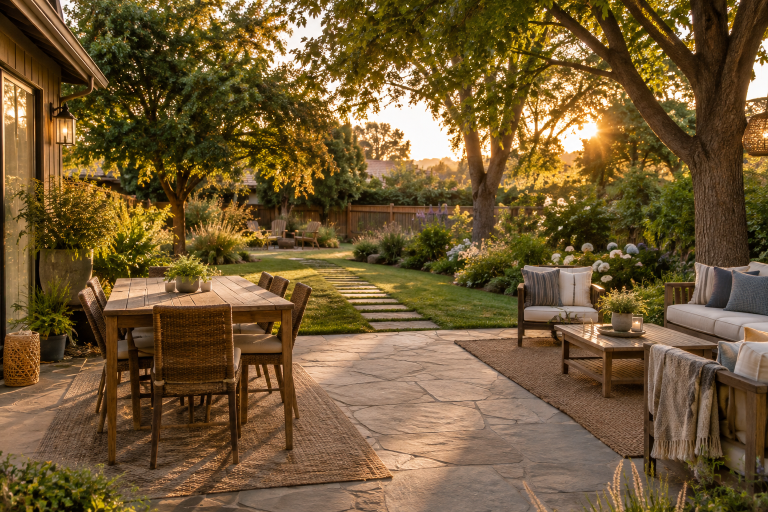
A successful outdoor area is not defined by the number of features it contains. It is defined by how naturally it supports daily life. Whether you are planning a patio, refreshing a backyard, or starting a larger landscape design project, begin with the activities that matter most to your household. The most useful spaces make it easy to eat outside, relax after work, supervise children, tend plants, entertain guests, or enjoy fresh air. When the layout, materials, drainage, and planting work together, the result can feel inviting without creating unnecessary upkeep.
Start With a Space That Will Actually Be Used
It is easy to be drawn to impressive outdoor features that do not fit everyday habits. A fire feature may look appealing, for example, but a well-sized dining area could be more valuable for a family that regularly eats outdoors. Before designing, write down the activities you want the yard to support most often. Think about who will use the area, when they will use it, and what they need nearby. A cooking area benefits from a clear route to the kitchen. A quiet reading corner may need afternoon shade. A pet-friendly yard may require durable surfaces, open circulation, and plants that can tolerate activity. Clear priorities help prevent a crowded design filled with underused elements.
Study the Property Before Choosing Features
Spend time outside at different times of day and after rain. Notice where sun reaches in the morning and afternoon, where wind is strongest, where puddles form, and which routes people already take from doors, gates, driveways, and storage areas.
- Mark sunny, shaded, windy, and sheltered areas.
- Identify slopes, low spots, mature trees, roots, and compacted soil.
- Watch for water moving toward the house, walkways, or neighboring property.
- Locate utility lines, irrigation controls, downspouts, gates, and property boundaries.
- Keep existing travel paths in mind rather than forcing people to walk around obstacles.
This early review can shape better decisions about seating, planting, drainage, and access before finished surfaces or structures make changes more difficult.
Create Simple Outdoor Activity Zones
Outdoor rooms do not need walls. A change in surface, a planting bed, a shade structure, or furniture placement can gently define a dining area, lounge space, cooking station, play zone, garden bed, or quiet retreat. In a small yard, fewer flexible zones usually work better than several cramped ones. Connect zones with direct, practical paths. Leave enough room to pull out dining chairs, carry food from indoors, move around a grill, open storage, and clean beneath furniture. A bench with built-in storage or a table that also works as an outdoor workspace can make a compact layout more useful.
Choose Materials for Everyday Conditions
Appearance matters, but a surface should also suit the climate and the way the space will be used. Compare options based on heat in direct sun, traction when wet, response to freeze-thaw conditions, cleaning needs, repair options, and how easily leaves, food, mud, or pet messes can be removed. Consider the maintenance commitment before selecting wood, concrete, stone, pavers, gravel, or composite materials. Some surfaces need periodic sealing, staining, joint maintenance, or washing. A material that is easy to repair in sections can be especially practical in active outdoor areas.
Plan Drainage Before Landscaping
Water management should be resolved before installing patios, walls, planting beds, or finished lawn areas. Grading, downspout extensions, swales, permeable surfaces, and rain gardens can each play a role, but the right solution depends on the property’s slope, soil, rainfall patterns, and local requirements. The EPA describes how rain gardens, swales, and permeable pavements can slow, store, filter, or direct stormwater in appropriate settings. Do not direct runoff toward a foundation, a neighbor’s property, a walking surface, or an unstable slope. Complex drainage concerns may require advice from a qualified local professional.
Select Plants for the Actual Site
Choose plants according to the conditions they will experience, including available sun, moisture, soil, wind exposure, and mature size. Grouping plants with similar water needs can simplify irrigation and reduce the chance that one part of a bed is regularly overwatered or underwatered. A balanced planting plan may include trees for shade, shrubs for structure, perennials for seasonal interest, ground covers for open soil, and clear areas for movement or gathering. The USDA Natural Resources Conservation Service provides information on plants used for conservation goals, including erosion control, water quality, and habitat support. Check local recommendations before purchasing, especially when choosing native or drought-tolerant species.
Add Comfort Features That Extend Use
Shade can make an exposed patio far more comfortable during hot parts of the day. Trees, umbrellas, pergolas, covered structures, and adjustable screens offer different levels of protection and flexibility. Wind protection, weather-resistant cushions, and movable furniture can also make a space more adaptable across seasons. Use layered lighting rather than relying on one bright fixture. Path lights help people move safely, task lighting supports grilling and food preparation, soft ambient lighting improves seating areas, and low-glare fixtures can make steps and changes in elevation easier to see.
Include Storage and Service Access
Storage is often overlooked until cushions, tools, toys, grilling supplies, outdoor games, and trash containers begin collecting around the patio. Plan a dedicated location for these items, whether that means a storage bench, a cabinet, a shed, or a screened service area. Keep drains, irrigation controls, electrical connections, shutoff valves, and mechanical equipment accessible. Easy access supports routine cleaning and repairs without requiring workers to remove plantings, furniture, or finished surfaces.
Use a Phased Plan and Maintain It Simply
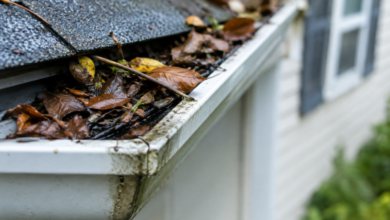
If the budget is limited, complete the essentials first: correct grading and drainage, install primary surfaces and paths, then add seating, shade, planting, irrigation, lighting, storage, and decorative details. Keep the full layout in mind so later improvements still fit the original plan. Low-maintenance does not mean maintenance-free. Each season, clear debris from drains, inspect surfaces for cracks or movement, check irrigation for leaks, refresh mulch where needed, prune according to plant needs, and review lighting, railings, and walking surfaces for safety concerns. Save product information and installation notes to make future repairs easier.
See also: A Practical Seasonal Guide to Inspecting and Caring for Your Home’s Exterior
Common Questions
What is the first step in planning an outdoor living space?
List the activities that matter most, then study sunlight, water movement, wind, and circulation across the property.
What makes an outdoor area easier to maintain?
Simple layouts, durable materials, appropriate plants, dependable drainage, efficient irrigation, and accessible service points all reduce routine work.
Should drainage be planned before planting?
Yes. Addressing water flow first can help avoid erosion, muddy areas, stains, and moisture problems near the home.
How can a small yard feel more useful?
Use flexible, multi-purpose features and avoid creating more zones than the space can comfortably support.
Conclusion
A comfortable outdoor living space does not need every possible feature or the most expensive upgrades to feel complete. Instead, it needs a clear purpose, practical circulation, durable materials, thoughtful water management, suitable plants, and a maintenance plan that fits real life. Every element should serve a purpose, whether it is creating a shaded spot for relaxing, providing a convenient area for outdoor dining, or making room for family activities and entertaining guests. Choosing materials that can withstand local weather conditions and plants that thrive in the available sunlight and soil can also reduce ongoing upkeep. When these fundamentals come first, the outdoor area is more likely to remain functional, welcoming, and easy to enjoy throughout the seasons. With careful planning, homeowners can create a space that balances comfort, durability, and visual appeal without adding unnecessary complexity or maintenance demands.