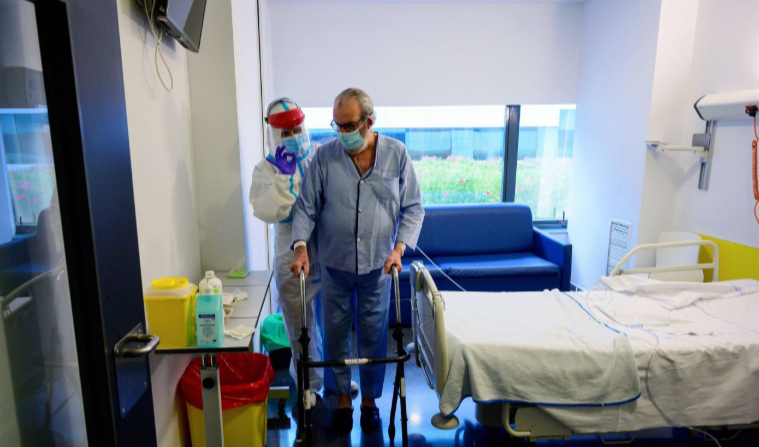
Modern physiotherapy is revolutionising patient care in Australia by integrating advanced techniques and personalised treatment plans. This evolution in physiotherapy practices ensures that patients receive comprehensive care tailored to their specific needs, improving recovery outcomes and overall health. One notable advancement is the incorporation of services such as home visit speech pathology, which complements physiotherapy by addressing communication and swallowing difficulties in patients, particularly those with neurological or developmental conditions.
Advancements in Physiotherapy Techniques
The field of physiotherapy has seen significant technological advancements that enhance diagnostic accuracy and treatment efficacy. Techniques such as ultrasound imaging, electrotherapy, and robotic-assisted rehabilitation are now commonly used to accelerate healing processes and reduce patient discomfort. These innovations allow physiotherapists to design more effective rehabilitation programmes that target the root causes of musculoskeletal and neurological issues.
Personalised Treatment Plans
Modern physiotherapy emphasises personalised care, recognising that each patient’s condition and response to treatment are unique. Physiotherapists conduct thorough assessments to develop customised treatment plans that consider the patient’s lifestyle, medical history, and specific rehabilitation goals. This patient-centred approach ensures higher satisfaction rates and better adherence to therapy regimens, ultimately leading to improved functional outcomes.
Integration of Multidisciplinary Services
Contemporary physiotherapy often involves collaboration with other healthcare professionals to provide holistic care. For example, integrating services like speech pathology, occupational therapy, and nutrition counselling addresses multiple facets of a patient’s health. This multidisciplinary approach is particularly beneficial for patients recovering from stroke, traumatic brain injury, or chronic conditions, where coordinated care can significantly enhance recovery trajectories.
Accessibility and Convenience
Improving accessibility to physiotherapy services is a key focus in Australia’s healthcare landscape. Innovations such as telehealth consultations and home-based therapies have made physiotherapy more convenient for patients, especially those with mobility challenges or residing in remote areas. The availability of home visit speech pathology services exemplifies this trend, enabling patients to receive essential care within their own homes without the need for travel.
Focus on Preventative Care
Modern physiotherapy extends beyond treatment to include preventative care strategies aimed at reducing the risk of injury and chronic disease. Physiotherapists educate patients on proper body mechanics, posture, and exercise routines that promote long-term musculoskeletal health. This proactive approach helps to minimise healthcare costs and improve quality of life by preventing the onset or recurrence of physical ailments.
Use of Evidence-Based Practice
Evidence-based practice is fundamental to modern physiotherapy, ensuring that treatments are grounded in the latest scientific research. Physiotherapists continually update their knowledge and skills through professional development and clinical research participation. This commitment to evidence-based care guarantees that patients benefit from the most effective and safe therapeutic interventions available.
Enhanced Patient Engagement
Engaging patients actively in their rehabilitation process is a hallmark of contemporary physiotherapy. Therapists employ educational tools and motivational strategies to empower patients to take responsibility for their recovery. This collaborative relationship fosters better communication, adherence to treatment plans, and ultimately, improved health outcomes.
Specialised Physiotherapy Services
Australia’s physiotherapy sector offers specialised services catering to diverse patient populations, including paediatric, geriatric, sports, and neurological physiotherapy. These specialised areas address unique challenges and conditions, providing targeted interventions that enhance functional independence and quality of life for patients across all age groups.
Role of Technology in Patient Monitoring
Technology plays a crucial role in monitoring patient progress and adjusting treatment plans accordingly. Wearable devices and mobile applications enable real-time tracking of physical activity, pain levels, and rehabilitation milestones. This data-driven approach allows physiotherapists to make informed decisions and personalise care dynamically throughout the recovery journey.
Training and Professional Development
Continuous professional development is essential for physiotherapists to maintain high standards of care. Australian physiotherapists engage in ongoing training to stay abreast of emerging therapies, technologies, and clinical guidelines. This dedication ensures that patients receive care that reflects current best practices and innovations in the field.
Community-Based Rehabilitation Programs
Community-based rehabilitation programmes have become integral to modern physiotherapy, providing accessible support for patients outside hospital settings. These programmes facilitate social interaction, peer support, and structured exercise, which are vital for sustained recovery and mental well-being.
Challenges and Future Directions
Despite significant progress, challenges such as workforce shortages and funding constraints remain. Addressing these issues requires strategic planning and investment to expand physiotherapy services and integrate emerging technologies further. Future directions include greater use of artificial intelligence and virtual reality to enhance diagnostic and therapeutic capabilities.
Conclusion
Modern physiotherapy is transforming patient care in Australia through advanced techniques, personalised treatment, and integrated multidisciplinary services. Innovations like home visit speech pathology exemplify the commitment to accessible and comprehensive care. As the field continues to evolve, patients can expect more effective, convenient, and holistic physiotherapy services that significantly improve health outcomes and quality of life.