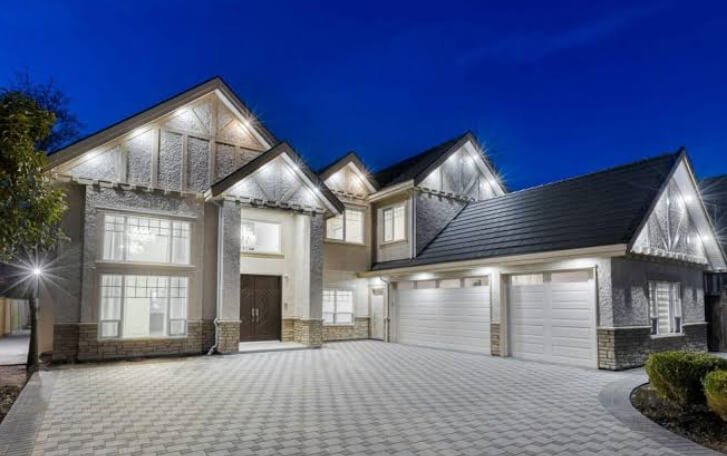
Custom construction allows homeowners to move beyond standardized layouts and create spaces tailored to their routines. Yet the difference between an ordinary new build and a refined custom residence often lies in details that are easy to overlook. A high end custom home builder project should coordinate architecture, construction, materials, lighting, and functionality from the earliest stages.
The result should feel effortless, even though achieving that simplicity requires extensive planning.
Good Design Begins With Proportion
Before finishes enter the conversation, room proportions matter.
Ceiling heights should relate comfortably to room dimensions. Doorways should suit surrounding walls. Windows should respond to exterior architecture while providing useful interior views.
A high end custom home builder approach considers these relationships before decorative layers are added.
When proportions work, rooms can feel balanced even with minimal furnishings.
Small Construction Details Have a Large Impact
Precision becomes particularly visible where materials meet.
Flooring transitions, cabinetry edges, wall corners, stair components, tile layouts, and trim intersections can reveal the level of thought behind construction.
Consistency Creates Visual Calm
Repeated details help create cohesion.
For example, maintaining consistent door heights or aligning architectural elements across adjacent spaces can make interiors feel intentional.
A high end custom home builder plan can establish these standards early so that individual trades work toward the same visual objective.
Build Storage Into the Architecture
Storage should not feel like something added after construction.
Closets, pantry cabinetry, mudroom storage, bathroom niches, built-ins, and utility areas can be integrated directly into the floor plan.
This allows frequently used belongings to remain accessible without overwhelming living spaces.
Homeowners exploring custom home construction expertise may find it useful to think about storage requirements room by room before layouts are finalized.
Create a Kitchen Around Movement
Kitchen design is fundamentally about movement.
Consider the path between refrigeration, preparation surfaces, cooking areas, cleanup zones, and pantry storage.
A large kitchen with poor circulation can be less comfortable than a smaller kitchen with an efficient arrangement.
High end custom home builder planning can also separate working areas from social areas so guests can gather without interrupting meal preparation.
Hide Utility Without Sacrificing Convenience
Small appliances, charging cables, recycling, cleaning supplies, and pantry goods all need practical locations.
Dedicated storage can keep these necessities close at hand while maintaining a clean visual environment.
The objective is not to hide everyday life but to design for it.
Use Lighting in Layers
A single ceiling fixture rarely provides enough flexibility.
Ambient lighting establishes general brightness. Task lighting supports activities such as cooking or reading. Accent lighting can emphasize artwork, architectural details, or textured surfaces.
Natural daylight forms another important layer.
A high end custom home builder project can coordinate window placement and electrical lighting so spaces remain comfortable from morning through evening.
Give Bedrooms a Sense of Retreat
Bedrooms benefit from a different atmosphere than active living areas.
Acoustic privacy, comfortable lighting, storage, window positioning, and access to bathrooms can all influence how restful the space feels.
Primary bedroom suites may also incorporate dressing areas or seating zones, but size alone should not determine quality.
Thoughtful circulation often matters more.
Bathrooms Require Technical Precision
Bathrooms combine water, electricity, ventilation, storage, lighting, and numerous finishes in compact spaces.
Waterproofing and drainage need careful execution before decorative surfaces are installed.
Tile proportions, fixture alignment, shower dimensions, vanity storage, and lighting also contribute to the finished result.
For a high end custom home builder project, these technical and visual details should be coordinated rather than treated separately.
Consider Acoustics Throughout the House
Sound can strongly influence comfort.
Open-plan areas may allow noise to travel between rooms. Mechanical equipment, laundry areas, bathrooms, and entertainment spaces can also disturb quieter zones if poorly located.
Room placement, insulation, doors, and interior materials can help manage sound.
This is particularly important in homes where several people work, study, relax, or entertain simultaneously.
See also: The Benefits of a Pest Control Subscription for Homeowners
Make Outdoor Connections Intentional
Windows and doors determine how residents experience the surrounding property.
A carefully placed opening can frame landscaping, provide privacy, or bring daylight deep into a room.
Outdoor entertaining areas should also connect logically with indoor kitchens and living spaces.
High end custom home builder planning can treat landscaping, terraces, and exterior circulation as extensions of the architecture.
Plan for Changing Needs
Custom construction should serve more than current circumstances.
Families grow, working arrangements change, and accessibility requirements can evolve.
Flexible rooms can help the house adapt.
An office might later function as a bedroom, while a multipurpose area could become a study, hobby room, or guest space.
Conclusion
The most refined custom residences are rarely defined by one dramatic feature. Their quality emerges through hundreds of coordinated decisions involving proportion, craftsmanship, storage, lighting, acoustics, circulation, and materials.
A high end custom home builder project should bring these details together so that the completed residence feels coherent and comfortable. When thoughtful planning supports both appearance and everyday use, sophistication becomes part of the home’s experience rather than simply a visual statement.