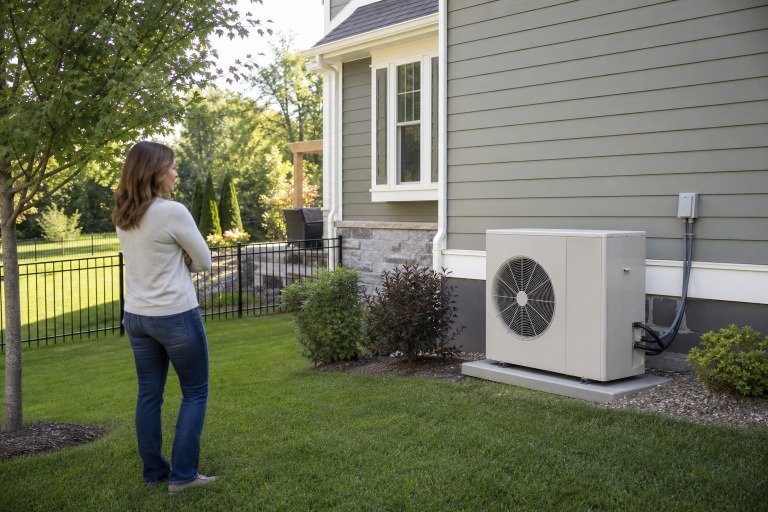
Because a heat pump provides both heating and cooling, it works through much of the year and may show subtle performance changes before a full breakdown occurs. Paying attention to those changes can help you protect comfort, avoid unnecessary strain on the equipment, and give a service technician better information if a repair is needed. For Further information on professional heat pump repair, homeowners can review service options before a small concern becomes a larger interruption. The goal is not to diagnose electrical or refrigerant problems yourself. Instead, use this checklist to identify safe, visible warning signs, complete a few basic checks, and recognize when it is time to contact a qualified HVAC professional.
Why Early Warning Signs Matter
Heat pumps depend on airflow, controls, electrical components, indoor and outdoor coils, and refrigerant circulation to operate properly. A dirty filter, unusual sound, uneven temperatures, or a rising utility bill does not automatically identify one failed part. It does, however, indicate that the system deserves attention. Frequent repairs, noisy operation, rooms that remain too warm or too cool, and higher energy use are among the signs that can justify a closer look at an aging system, as described in guidance for evaluating heating and cooling equipment. Early action can be especially valuable before periods of severe heat or cold. A homeowner who records when a problem began, which rooms are affected, and what the system sounds like can make the service visit more efficient.
Common Heat Pump Warning Signs
Weak or Uneven Airflow
Weak air from supply vents, rooms with noticeably different temperatures, or unusually long run times can point to an airflow problem. First, look for simple causes, including a dirty filter, closed supply registers, or return grilles blocked by furniture, rugs, or stored items. If those checks do not help, duct restrictions, a blower issue, dirty coils, or another system fault may need professional evaluation.
See also: How to Plan a Kitchen Remodel That Works for Real Life in Fort Collins, Colorado
Strange Sounds
New rattling, grinding, squealing, buzzing, or repeated clicking should not be ignored, particularly if the sound becomes louder or occurs every time the heat pump starts. Loose panels can sometimes rattle, but grinding and persistent squealing may involve moving components. Do not remove equipment panels or reach into the unit while it is operating.
Short Cycling
Short cycling means the heat pump starts, stops, and restarts more often than expected without completing a normal heating or cooling cycle. This pattern can reduce comfort and add wear from repeated starts. Thermostat placement or settings, restricted airflow, equipment sizing concerns, and mechanical or control problems can all contribute.
Higher Energy Bills
An unexpected increase in electricity use can be a sign that the system is working harder to maintain indoor temperatures. Compare bills from similar weather periods when possible, rather than relying on one unusually hot or cold month. Confirm the filter is clean and the thermostat is set correctly before assuming a major repair is required.
Ice on the Outdoor Unit
Light frost can occur during heating operation and may clear when the unit enters its normal defrost cycle. Thick ice, ice that repeatedly returns, or coils that remain frozen can restrict airflow and require service. Never chip ice with sharp tools, pour hot water over the equipment, or attempt to force a defrost cycle.
Failure to Switch Between Heating and Cooling
Check that the thermostat is set to the intended mode and give the system time to respond after a setting change. If the heat pump will not switch modes or deliver the wrong air temperature, a reversing valve, thermostat, wiring, or control issue may be involved. Repeatedly changing thermostat settings rarely corrects the underlying problem.
Safe Checks Homeowners Can Make
- Confirm the thermostat is set to the desired mode and temperature.
- Inspect and replace or clean the air filter if the manufacturer allows homeowner access.
- Make sure supply registers and return grilles are open and unobstructed.
- Clear leaves, grass clippings, and stored items away from the outdoor unit.
- Check for a tripped breaker, but do not repeatedly reset one that trips again.
- Write down odors, sounds, indoor temperatures, and the time of day when symptoms occur.
Homeowners should not open electrical compartments, handle refrigerant, bypass safety controls, or work near moving parts. Those tasks require appropriate training and equipment.
Problems That Need Fast Attention
Turn the system off if it is safe to do so and arrange prompt help when you notice burning odors, smoke, sparks, visible electrical damage, water near electrical components, repeated breaker trips, sudden loud mechanical noises, or a strong chemical odor. A complete loss of heating or cooling can also require urgent attention during dangerous outdoor temperatures. If there is smoke, fire, or immediate danger, leave the area and contact emergency services.
Repair or Replace: What to Consider
A single failed part does not automatically mean replacement is the best choice. Consider the heat pump’s age, repair history, current operating costs, comfort problems, and availability of replacement parts. Several costly repairs within a short time may change the decision. Ask for a written explanation of the problem, the recommended repair, expected limitations, and replacement options. Proper sizing, duct condition, insulation, and installation quality also affect the outcome of a new system.
What a Technician May Check
A qualified technician may inspect thermostat communication, electrical connections, voltage readings, capacitors, contactors, coils, blower performance, airflow, drain lines, refrigerant pressures, defrost controls, and reversing valve operation. The technician can also assess maintenance history and whether the repair offers reasonable value for the system’s overall condition.
Simple Maintenance
- Check the filter monthly and replace or clean it as needed.
- Keep outdoor equipment free of leaves, weeds, and debris.
- Keep vents and return grilles open to support balanced airflow.
- Schedule professional service before high-demand heating and cooling seasons.
- Save records of repairs, replaced parts, and changes in energy use.
Routine attention can prevent avoidable issues. A practical maintenance plan includes filter care, thermostat checks, electrical inspection, drain inspection, and coil and airflow evaluation, all of which are included in this seasonal HVAC maintenance checklist.
Common Questions
Is some frost on a heat pump normal?
Yes. Light frost may form during heating operation and should clear during a normal defrost cycle. Thick, persistent, or recurring ice is different and should be assessed by a professional.
How often should a heat pump be serviced?
Because it handles both heating and cooling, planning service before demanding seasonal weather is sensible. Local climate, system age, and usage can affect the ideal schedule.
Can a dirty filter cause a heat pump to stop working?
A heavily restricted filter can reduce airflow, hurt comfort, increase run time, and place added strain on the system. It is one of the first safe items to check.
Should a heat pump run constantly in cold weather?
Longer run times can be normal in demanding conditions. However, nonstop operation paired with poor comfort, icing, unusual noise, or rising bills should be investigated.
Final Takeaway
Heat pumps often provide useful clues before a major failure, such as unusual noises, reduced airflow, longer runtimes, uneven temperatures, or frequent cycling. Checking the filter, clearing leaves and other debris from around the outdoor unit, confirming thermostat settings, and documenting when symptoms occur are practical first steps for homeowners. It is also helpful to note whether the issue happens during heating, cooling, startup, or defrost cycles, as these details can help a technician understand the problem. For electrical, refrigerant, mechanical, or safety concerns, contact a qualified professional rather than guessing or opening internal components. Early attention can help prevent a small issue from becoming more disruptive, protect the equipment from unnecessary strain, and support a clearer repair or replacement decision based on the system’s condition, history, and expected operating needs.