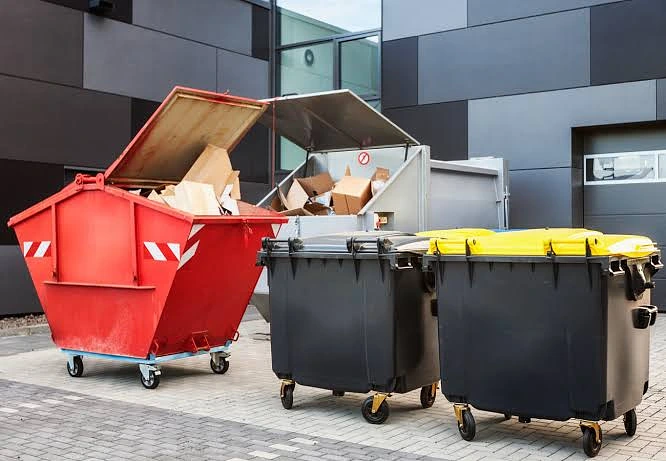
Garden maintenance produces more waste than many households expect. Grass cuttings, hedge trimmings, fallen leaves, branches, and unwanted plants can quickly fill garden bags, particularly after seasonal pruning or a major garden tidy-up. Arranging green waste collection stirling services can help residents and property managers manage these materials without leaving piles of organic waste around the garden. A clear disposal plan also makes it easier to separate recyclable garden materials from general rubbish and keep outdoor spaces tidy throughout the year.
Why Garden Waste Builds Up So Quickly
Even a modest garden can generate a substantial volume of waste during periods of active growth. Grass needs regular cutting, hedges require trimming, and trees shed leaves and small branches as the seasons change. Larger gardens, rental properties, commercial grounds, and shared outdoor areas can produce considerably more material.
Garden renovation projects create additional waste. Removing overgrown shrubs, clearing weeds, cutting back established plants, and preparing soil for new landscaping can leave a mixture of branches, roots, leaves, and grass.
Leaving these piles unattended can make outdoor spaces difficult to use. Wet leaves may become slippery, while large heaps of cuttings can attract pests if they contain unsuitable mixed waste. A planned collection or composting arrangement helps prevent waste from accumulating and keeps garden maintenance manageable.
What Counts as Green Waste?
Green waste generally refers to biodegradable material produced by gardening and landscaping. The exact materials accepted depend on the local collection service or waste facility.
Common examples include grass clippings, leaves, small branches, hedge trimmings, weeds, flowers, and pruned plants. Some services may also accept untreated plant material, but restrictions can apply to soil, turf, roots, and large logs.
Materials such as plastic plant pots, garden furniture, treated timber, metal fencing, and chemical containers should not automatically be placed in a green waste load. These items require separate disposal arrangements.
Before arranging collection, check the provider’s accepted materials. Keeping organic waste separate from plastics, rubble, packaging, and household rubbish can make processing easier and improve the chances of suitable material being composted or otherwise recovered.
Composting or Collection: Which Option Fits Your Garden?
Home composting works well for many households, particularly those with enough outdoor space and a steady supply of suitable organic material. Leaves, small plant cuttings, and certain kitchen scraps can be composted when the correct balance of materials, moisture, and airflow is maintained.
However, composting has limits. Large branches, thick roots, extensive hedge cuttings, and large volumes of grass may exceed the capacity of a household compost bin. Some invasive weeds and diseased plants may also need specialist handling, depending on the species and local guidance.
Collection services offer another option when garden work produces more waste than a composting system can manage. They can be particularly useful after landscaping projects, seasonal clear-outs, or maintenance of larger properties.
The right choice depends on the amount of material, available space, time for composting, and local disposal arrangements. Some households benefit from combining both methods, composting suitable everyday cuttings and arranging collection for larger quantities.
Preparing Garden Waste for Collection
A little preparation can make garden waste removal easier and reduce delays on collection day.
Start by separating organic material from general rubbish. Remove plastic ties, plant labels, wire, and other non-organic items before placing the waste in a designated collection area. Keep soil and stones separate unless the provider specifically confirms that they are accepted.
Cutting long branches into manageable lengths can also help, provided the material is safe to handle and falls within the provider’s size limits. Avoid compressing waste beyond any stated loading requirements, as collection services may have restrictions on weight and container capacity.
For a larger clear-out, estimate the quantity of waste before booking. A few bags of grass cuttings require a different arrangement from several piles of branches and shrub trimmings.
Access matters as well. Keep collection points clear of parked vehicles, gates, and other obstructions. If a skip bin is being delivered, check the available space and confirm whether a permit is required for placement on a public road or pavement.
How Local Waste Services Support Garden Projects
Garden waste services are useful for more than routine lawn care. They can assist with hedge removal, landscape redesigns, clearing neglected gardens, and preparing outdoor areas for new planting.
Businesses and property managers may also need a reliable plan for recurring garden maintenance. Rental properties, commercial premises, and shared residential grounds can generate repeated volumes of organic material that are difficult to manage through occasional household collections.
Hop, Skip and Dump are associated with skip bin hire and waste removal, making them relevant to property clear-outs and landscaping projects that produce substantial quantities of permitted waste. Before selecting a service, confirm whether the available bin is suitable for green waste, what materials are excluded, and how collection and disposal are handled.
A dedicated green waste arrangement can also reduce the temptation to mix organic cuttings with general rubbish. This distinction matters because clean garden waste may be suitable for composting or other recovery processes, depending on the receiving facility.
The Environmental Value of Proper Disposal
Garden waste can be a useful resource when handled correctly. Suitable organic material may be processed into compost or mulch, returning nutrients and organic matter to the soil.
Compost can help improve soil structure, support moisture retention, and provide organic matter for garden beds. Mulch made from appropriate plant material can help suppress weeds and protect soil from drying out. These benefits depend on the quality of the processed material and its suitability for the intended use.
Incorrect disposal creates avoidable problems. Dumping branches or garden bags in woodland, beside roads, or on unused land can damage local environments and may breach local rules. Garden waste can also contain invasive plant species that spread if transported or discarded without appropriate care.
Residents should follow local council guidance and use authorised disposal routes. If the waste contains invasive weeds, diseased plants, or potentially contaminated material, check the recommended handling method before adding it to a compost pile or collection load.
Seasonal Planning Keeps Gardens Manageable
Different seasons bring different garden maintenance demands. Spring often involves pruning, planting, and clearing accumulated debris. Summer can produce frequent grass cuttings and hedge trimmings, while autumn brings fallen leaves and branches. Winter may be a suitable time for certain pruning tasks, depending on the plant species and weather conditions.
Planning around these patterns can prevent a small pile of cuttings from becoming a large clean-up project. Households can arrange regular maintenance, keep suitable composting materials aside, and book collection when larger volumes are expected.
For landscaping contractors, scheduling waste removal alongside garden work can also help keep sites orderly and reduce the time spent moving material around the property.
Before each collection, check the accepted waste types, container limits, booking arrangements, and access requirements. These details are especially useful after major garden renovations, when the amount and type of waste may differ from an ordinary maintenance visit.
Keep Outdoor Spaces Clear Without Wasting Useful Materials
A well-managed garden waste routine helps residents maintain tidy outdoor areas while making better use of suitable organic materials. Composting small quantities at home and arranging authorised collections for larger loads can reduce clutter and support responsible disposal.
For garden clearances, landscaping work, or substantial seasonal pruning, choose a service that confirms its accepted materials and collection conditions. Contact us to discuss your garden waste requirements, check suitable skip bin options, and arrange an appropriate collection for eligible materials. A little planning before the work begins can make the clean-up easier and help keep garden waste out of unsuitable disposal sites.