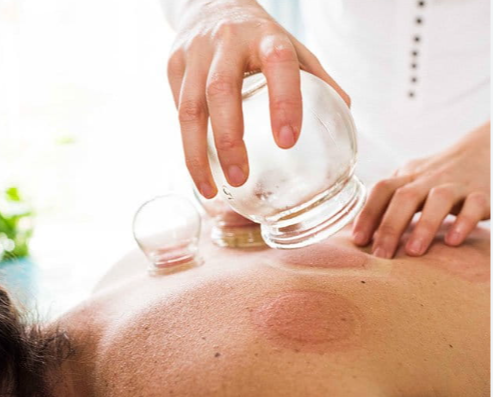
Hijama therapy, often referred to as cupping therapy, is a traditional form of medicine that has been practised for centuries across various cultures. This technique involves creating suction on the skin using cups. It is believed to aid in pain relief and promote overall wellness. For those seeking to delve deeper into this ancient practice, an online hijama course provides an excellent opportunity to gain comprehensive knowledge and skills from the comfort of your home.
What is Hijama Therapy?
Hijama therapy is an alternative medicine practice where cups are placed on the skin to create suction. This method can help in improving blood circulation, reducing pain, and removing toxins from the body. Practitioners often suggest that this therapy can lead to enhanced mental and physical well-being.
Historical Background
The use of cupping can be traced back to ancient Egyptian, Chinese, and Middle Eastern cultures. The Ebers Papyrus, one of the oldest medical textbooks, mentions the use of cupping. Over time, this technique has gained popularity in various parts of the world, often being integrated into broader health and wellness practices.
The Mechanism of Hijama Therapy
Hijama works on the principle of drawing out impurities and stimulating the flow of energy in the body. The suction created through cupping may increase blood flow to the affected area, supporting healing and reducing muscular tension. This is particularly beneficial for individuals with chronic pain conditions.
Applications and Benefits of Hijama
People utilise hijama therapy for a diverse range of reasons. Common application areas include the back, neck, and shoulders to alleviate muscle stiffness and joint pain. Some studies also suggest benefits in reducing anxiety and even improving digestion.
The Importance of Proper Training
While hijama therapy offers numerous benefits, appropriate training is crucial to ensure safe and effective application. An online hijama course equips practitioners with the necessary health and safety protocols to carry out the therapy responsibly.
Who Can Benefit from Hijama Therapy?
This therapy is suitable for individuals of varying ages, though it is advised to consult with a healthcare provider before commencing treatment. Particularly those experiencing chronic pain or stress-related conditions may find relief through regular sessions.
Integration with Modern Medicine
Although hijama therapy stems from ancient practices, it is increasingly being seen as a valuable complement to modern medical treatments. Many practitioners recommend it as part of a holistic approach to health, combining conventional medicine with traditional therapies for optimal results.
Course Content of Online Hijama Training
A typical online hijama course covers a range of topics necessary for becoming a competent practitioner. Courses often include anatomy and physiology, history of cupping, application techniques, and ethical considerations. Online courses offer flexibility, allowing participants to study at their own pace.
Choosing the Right Course
When selecting an online hijama course, it is important to consider the accreditation and reputation of the provider. An accredited course ensures that the training meets professional standards, enhancing the credibility of the qualification.
Ethical Considerations in Hijama
Ethics play a significant role in the practice of hijama therapy. Practitioners must ensure they have the consent of their clients and conduct treatments in a professional, safe environment, while adhering to all necessary hygiene practices.
Future Prospects for Hijama Practitioners
Given the growing interest in alternative and complementary medicine, there is an increasing demand for qualified hijama practitioners. Completing an online hijama course can open up various career opportunities within the wellness and healthcare sectors.
Conclusion
Hijama therapy presents an intriguing blend of ancient wisdom and contemporary health practice. With the increasing availability of educational resources like online hijama courses, aspiring practitioners can gain the knowledge and skills necessary to make a positive impact on their clients’ health and wellbeing. As more people seek holistic solutions to health issues, the role of hijama therapy is poised to grow significantly.