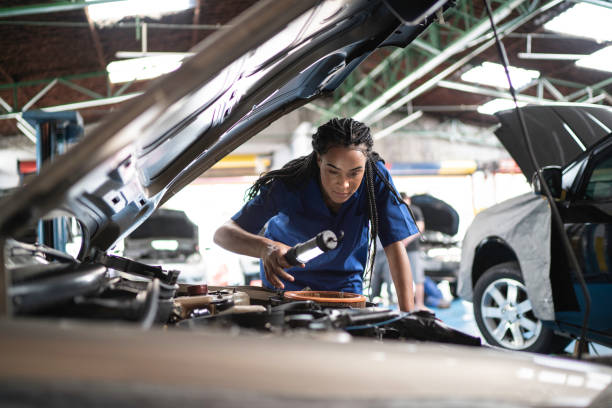
Owning a car involves more than filling the fuel tank and keeping it clean. Every vehicle has components that experience wear, require periodic maintenance, or occasionally need professional repairs. Understanding the essential auto repair services available can help drivers recognise what their vehicles need, make informed maintenance decisions, and avoid preventable breakdowns.
Some services, such as oil changes and tire inspections, are part of routine maintenance. Others, including brake repairs, battery replacement, collision repairs, and engine diagnostics, become necessary when a component develops a problem. Knowing the purpose of each service makes it easier to communicate with technicians and decide when professional attention is needed.
How to Choose the Right Auto Repair Service
Not every vehicle needs every service at the same time. The best approach is to combine manufacturer-recommended maintenance with timely attention to symptoms, warning lights, and inspection findings.
Before booking a service, consider the following:
- Identify the concern: Explain the warning light, noise, handling change, or maintenance requirement you have noticed.
- Check the maintenance schedule: Use your owner’s manual to confirm service intervals and specifications.
- Ask about diagnosis: Find out whether inspection or diagnostic charges apply before work begins.
- Review the estimate: Request a written breakdown of parts, labour, and additional charges.
- Confirm approval and warranty terms: Ask the shop to obtain your approval before performing additional work and explain the repair warranty in writing.
The Federal Trade Commission recommends getting a written estimate that identifies the condition being repaired, required parts, and anticipated labour charges. It also advises consumers to understand repair warranties and keep completed repair documentation.
If you are searching for auto repair close to me, you can explore nearby repair shops offering services such as general repairs, routine maintenance, collision repairs, oil changes, tire replacements, smog checks, brake pad services, and battery replacements. Comparing available services and shop details can help you choose a suitable provider and book your vehicle service online.
Here are eight important auto repair and maintenance services every car owner should understand.
1. Engine Oil and Filter Changes
Engine oil lubricates moving components, helps manage heat, and carries contaminants away from critical engine parts. Over time, oil degrades and collects dirt, which can reduce its ability to protect the engine.
When Does Your Car Need an Oil Change?
The correct oil change interval depends on the vehicle, engine type, oil specification, and driving conditions. Instead of following a universal mileage rule, check the maintenance schedule in your owner’s manual. Some vehicles also display an oil-life monitoring message.
A professional oil change generally involves:
- Draining the old engine oil.
- Replacing the oil filter.
- Adding the manufacturer-recommended oil grade and quantity.
- Checking for visible leaks and confirming the oil level.
Using the correct oil specification matters. The wrong viscosity or formulation may affect engine performance and protection, so confirm the recommended product before approving the service.
2. Brake Inspection and Repair
The braking system is essential for controlling speed and stopping safely. Brake pads, rotors, calipers, brake lines, and fluid all contribute to consistent braking performance. These components should be inspected when symptoms appear and according to the manufacturer’s maintenance recommendations.
Common Brake Services
Brake pad replacement: Brake pads gradually wear down as they create friction against the rotors. Replacing worn pads helps maintain braking performance and can prevent further damage.
Rotor inspection and replacement: Rotors can develop scoring, uneven wear, or thickness-related problems. A technician can measure their condition and determine whether resurfacing is permitted or replacement is necessary.
Brake fluid service: Brake fluid absorbs moisture over time, which can affect braking performance. Follow the vehicle manufacturer’s recommended replacement interval rather than assuming every vehicle needs the same schedule.
Squealing, grinding, a soft brake pedal, or pulling to one side while braking should be investigated promptly. If stopping ability is reduced, do not continue driving.
3. Tire Inspection, Rotation, and Replacement
Tires influence traction, handling, braking, and ride comfort. Incorrect pressure, uneven wear, damaged sidewalls, and insufficient tread can compromise vehicle safety, particularly on wet roads.
Essential Tire Services
Tire pressure checks: Maintain pressure according to the vehicle manufacturer’s recommendation, usually displayed on the driver’s door-jamb label. The maximum pressure printed on the tire sidewall is not necessarily the correct operating pressure for your vehicle.
Tire rotation: Moving tires between positions can help promote more even wear. The rotation pattern and interval depend on the vehicle’s drivetrain, tire type, and manufacturer guidance.
Tire balancing and alignment: Balancing addresses uneven weight distribution in a wheel and tire assembly. Alignment adjusts wheel angles to the specified settings. They solve different problems, although both may be recommended when handling or wear issues appear.
Tire replacement: Tires should be replaced when tread depth reaches the applicable safety limit, when damage makes them unsafe, or when their condition requires it. NHTSA identifies 2/32 of an inch as the minimum tread depth at which tires should be replaced.
Regularly inspect your tires for cuts, bulges, embedded objects, and uneven wear. NHTSA also recommends checking tire pressure monthly, even when a vehicle has a tire pressure monitoring system.
4. Battery Testing and Replacement
The battery supplies electrical power for starting the engine and supports vehicle electronics. A weak or failing battery can cause slow engine cranking, clicking sounds, dim lights, or repeated starting problems.
What Does Battery Service Include?
A battery service may involve testing its charge and starting capacity, checking terminal connections, cleaning corrosion, and inspecting the charging system. If the battery cannot hold an adequate charge, replacement may be necessary.
Battery selection matters because vehicles have different electrical requirements. Some newer models also require battery registration or electronic system procedures after replacement.
Do not ignore repeated battery warnings or assume that replacing the battery will solve every starting issue. A faulty alternator, damaged wiring, or excessive electrical drain may be responsible. Ask the technician to test the charging system before approving a replacement.
5. Engine Diagnostics and Check Engine Light Inspection
Modern vehicles use electronic control units and sensors to monitor engine operation, emissions, and other systems. When the vehicle detects certain faults, it may store diagnostic trouble codes and illuminate a dashboard warning light.
How Does a Diagnostic Inspection Work?
A technician can connect a compatible diagnostic scanner to the vehicle’s onboard diagnostic system to retrieve stored codes and examine relevant data. However, a trouble code is a starting point for investigation, not automatic proof that a particular part needs replacement.
For example, an oxygen sensor-related code may result from a faulty sensor, wiring issue, exhaust leak, or another underlying problem. Additional testing helps identify the actual cause.
Professional diagnostics may include:
- Reading and interpreting trouble codes.
- Reviewing live sensor information.
- Inspecting wiring and electrical connections.
- Testing related mechanical or emissions components.
A flashing check engine light, especially when accompanied by rough running or power loss, requires prompt attention. Follow your owner’s manual and stop driving when it is unsafe to continue.
6. Cooling System Inspection and Repair
The cooling system regulates engine temperature and helps prevent overheating. It includes components such as the radiator, coolant, hoses, thermostat, water pump, and cooling fan.
Signs Your Cooling System Needs Attention
An engine temperature warning, coolant puddles, visible steam, or repeatedly falling coolant levels can indicate a problem. Possible causes include a leaking hose, damaged radiator, faulty thermostat, or water pump issue.
A cooling system inspection may involve checking coolant condition and level, examining hoses and connections, testing the radiator and pressure system, and evaluating fan operation.
Never remove a radiator or coolant reservoir cap while the engine is hot. Pressurised coolant can cause serious burns. If the temperature gauge enters the overheating range, pull over safely, switch off the engine, and arrange professional assistance.
7. Collision Repair and Bodywork
Accidents can damage more than a vehicle’s visible exterior. Even a minor collision may affect panels, lights, sensors, suspension components, or structural areas.
What Does Collision Repair Involve?
The repair process depends on the extent and location of the damage. It may include body panel repair, dent removal, bumper replacement, paint refinishing, and inspection of affected mechanical or safety systems.
Modern vehicles may also require sensor calibration after repairs involving cameras, radar units, or other driver-assistance equipment. The exact procedure depends on the vehicle and the components affected.
Before approving collision work, ask for an itemised estimate and clarification about replacement parts, paint matching, repair timelines, and warranties. If the accident may have affected steering, suspension, airbags, or structural integrity, have the vehicle professionally assessed before driving it.
8. Smog Checks and Emissions-Related Services
A smog check is an emissions inspection used in certain jurisdictions to determine whether a vehicle meets applicable pollution-control requirements. Requirements vary by state, county, vehicle age, fuel type, and registration circumstances.
Why Are Emissions Inspections Important?
A vehicle’s emissions system includes components such as oxygen sensors, catalytic converters, and other equipment designed to control pollutants. A malfunction may trigger the check engine light or cause an emissions inspection failure.
If your vehicle does not pass, review the inspection report to understand the reason. A qualified technician can diagnose the issue and explain which repairs are necessary. Avoid replacing emissions components based only on a warning light or an assumed fault.
Frequently Asked Questions
How Often Should I Service My Car?
Follow the maintenance schedule in your owner’s manual. Service intervals vary according to the vehicle, mileage, age, engine type, and driving conditions. Frequent short trips, heavy traffic, towing, and extreme temperatures may affect maintenance needs.
Which Auto Repair Services Are Most Important for Safety?
Brake inspections, tire checks, steering and suspension assessments, and lighting repairs are particularly important for safe vehicle operation. Battery and engine services also help maintain reliability and prevent unexpected breakdowns.
Is Preventive Maintenance Better Than Waiting for a Problem?
Preventive maintenance helps identify wear and developing issues before they cause more serious problems. It cannot prevent every repair, but following the manufacturer’s schedule can support vehicle reliability and help reduce avoidable damage.
Can I Choose an Independent Repair Shop Instead of a Dealership?
In many cases, yes. Independent repair shops can perform routine maintenance and many types of repairs. Check technician experience, service capabilities, warranty requirements, and the quality of the estimate before choosing a provider.
Final Thoughts
Understanding essential auto repair services helps car owners make better decisions about vehicle care. From oil changes and tire maintenance to brake repairs, diagnostics, collision work, and emissions inspections, each service addresses a different aspect of vehicle performance, reliability, or safety.
Rather than waiting for a breakdown, pay attention to your vehicle’s maintenance schedule and investigate unusual changes promptly. Choose a qualified repair provider, understand the recommended work, and keep records of completed services. A practical, informed approach to maintenance can help keep your vehicle dependable for the road ahead.