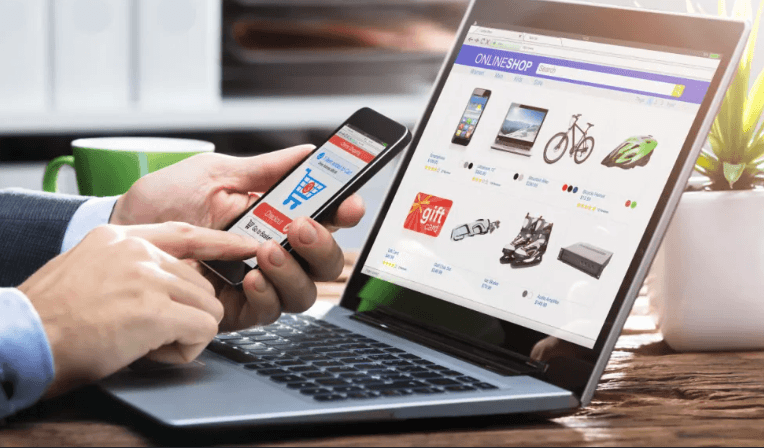
Digital commerce has made it possible for manufacturers and emerging businesses to reach customers without relying entirely on traditional retail distribution. This shift has accelerated the growth of d2c ecommerce, a model in which businesses sell products directly to end customers rather than depending on conventional intermediary-heavy channels.
The model can create closer customer relationships and greater control over the buying experience. However, international expansion also introduces logistics, customs, data, and fulfillment challenges.
What Is D2C Ecommerce?
D2C stands for direct-to-consumer.
In a traditional distribution model, goods may pass through manufacturers, distributors, wholesalers, and retailers before reaching the customer.
D2C ecommerce shortens that chain by allowing the seller to interact directly with the consumer through online channels.
Why Businesses Choose the D2C Model
Direct selling can provide greater visibility into customer behavior.
Businesses can observe which products attract attention, how customers interact with online experiences, and where demand develops geographically.
The model can also provide greater control over communication and fulfillment decisions.
Cross-Border Growth Changes the Equation
Selling domestically is different from shipping directly to consumers in multiple countries.
International orders must cross borders, meaning customs requirements become part of the customer experience.
A delayed shipment does not feel like a customs problem to the buyer. It feels like a poor purchasing experience.
For this reason, D2C ecommerce companies should integrate cross-border planning into their fulfillment strategy.
Product Data Becomes Critical
Accurate product information supports both online merchandising and customs processing.
A product page might contain persuasive marketing language, but customs workflows often require more specific attributes.
Build Customs-Ready Catalogs
Businesses can improve international operations by maintaining structured information such as product descriptions, materials, origin, value, and relevant classification details.
Creating this information centrally can prevent employees from reconstructing it for every international order.
Customer Expectations Are High
Consumers have become accustomed to visibility throughout the delivery process.
Cross-border shipments introduce additional milestones, including export processing, transportation, customs review, and domestic delivery.
Clear expectations can therefore improve the D2C ecommerce experience.
Businesses should communicate realistic delivery windows rather than treating international shipping exactly like domestic fulfillment.
Organizations seeking cross-border ecommerce support can evaluate how customs processes interact with the broader consumer delivery journey.
Scaling Beyond Manual Operations
A small D2C business may initially process international orders manually.
Growth can quickly make that approach inefficient.
Imagine that an employee spends only two minutes reviewing customs information for each order. At 50 international orders, the workload may be manageable. At several thousand daily transactions, it becomes a major operational constraint.
Standardization Supports Growth
Businesses can create repeatable workflows for common destinations and product categories.
Automated validation can identify missing information before orders enter transportation networks.
Exception-based processing can then direct unusual shipments to employees for additional review.
Returns Need Attention Too
International ecommerce does not end when the customer receives the package.
Returns can create additional customs and logistics considerations.
D2C ecommerce businesses should establish policies for handling international returns, including the information needed to identify previously exported or imported merchandise where applicable.
A well-designed returns process protects the customer experience while reducing operational confusion.
Use Data to Improve International Expansion
Cross-border transaction data can help businesses identify opportunities.
Teams can examine demand by destination, delivery performance, customs exceptions, returns, and operational costs.
This information can help determine where additional fulfillment resources or process improvements may be justified.
See also: How to Create an Effective Website Homepage: Strategies for Maximum Engagement
Conclusion
D2C ecommerce gives businesses a powerful way to build direct customer relationships and expand beyond traditional distribution channels. International growth, however, requires more than opening online checkout to additional countries.
Accurate product information, scalable customs workflows, realistic delivery expectations, and structured returns processes all contribute to successful cross-border operations. Businesses that treat logistics and customs as part of the customer experience can build a stronger foundation for sustainable D2C ecommerce growth.