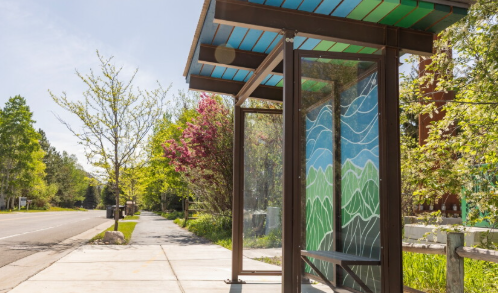
No two communities have exactly the same transportation environment. A busy downtown corridor may need a different type of passenger waiting area than a suburban neighborhood, university district, civic center, or rural transit stop. Climate, available space, ridership, pedestrian activity, and surrounding architecture can all influence what works best at a particular location.
For these reasons, custom bus shelters can provide a practical approach to transit infrastructure. Instead of forcing every location into the same configuration, customized planning allows communities to consider the conditions surrounding each stop and develop structures that respond to specific operational and passenger needs.
Why Standard Designs Do Not Fit Every Transit Stop
Standardization can simplify some infrastructure projects, but transit stops frequently present unique challenges. One site might have a wide sidewalk with plenty of available space, while another could be positioned along a narrow pedestrian corridor.
Ridership levels can also differ significantly. A stop near a major employment center may accommodate many passengers during peak hours. Meanwhile, a neighborhood stop may serve smaller numbers throughout the day.
Custom bus shelters allow project planners to account for these differences while maintaining a consistent approach to quality and functionality.
Start With the Physical Site
Effective shelter planning begins with understanding the installation location.
Project teams should evaluate sidewalk dimensions, nearby buildings, pedestrian routes, curbs, landscaping, utilities, drainage, roadway visibility, and boarding areas. These conditions can affect the appropriate dimensions and orientation of a shelter.
Planning around the site can also reduce the likelihood of creating unnecessary conflicts with pedestrians or nearby infrastructure.
Designing Around Passenger Comfort
Transit passengers may spend several minutes waiting at a stop, making comfort an important part of shelter planning.
Weather protection is one of the most recognizable benefits. Depending on the location, passengers may encounter rain, snow, strong wind, intense sunlight, or seasonal temperature changes.
Custom bus shelters can be configured with these environmental factors in mind. Roof coverage and wall placement, for example, can influence how effectively a waiting area responds to common weather patterns.
Seating and Space Should Work Together
Seating may improve passenger comfort, but it should not dominate the available waiting area. Travelers also need room to stand, move through the shelter, and approach the boarding area.
Passenger volume should therefore influence the layout.
A lower-use stop might require a relatively compact waiting environment, while a busier location may benefit from greater capacity. Custom bus shelters make it possible to evaluate these needs on a site-by-site basis instead of assuming identical dimensions everywhere.
Creating an Accessible Waiting Environment
Accessibility is fundamental to effective public transportation infrastructure.
Shelters should be planned so they complement accessible pedestrian and boarding areas rather than interfering with them. Clear circulation space can help passengers with different mobility needs navigate the stop more comfortably.
The relationship between the shelter and its surroundings is particularly important. Entrances, sidewalks, curbs, boarding zones, and pedestrian pathways should function as a connected environment.
Working with experienced public transportation shelter professionals can help planners consider how shelter configuration fits within the broader transit setting.
Responding to Local Climate
Climate should influence shelter design from the beginning.
In areas with frequent precipitation, overhead coverage and drainage considerations may receive greater attention. Locations exposed to strong winds may require different panel configurations. Communities experiencing substantial sunlight may prioritize shade, while colder regions may need to consider snow and seasonal weather conditions.
Custom bus shelters provide flexibility to address these regional differences.
Materials Matter in Outdoor Environments
Transit structures remain outdoors continuously, so their materials must perform under changing environmental conditions.
Moisture, sunlight, temperature fluctuations, wind, and regular public use can affect shelter components over time. Selecting appropriate materials can support durability while helping simplify ongoing maintenance.
The goal is not simply to create a shelter that looks suitable when installed. Public infrastructure should continue functioning effectively through years of exposure and routine use.
Reflecting the Character of a Community
A transit shelter is also part of the streetscape. Passengers see it every day, but so do pedestrians, drivers, nearby residents, and visitors.
Custom bus shelters can help communities create infrastructure that fits the visual character of its surroundings. Proportions, rooflines, panel arrangements, structural details, and other design decisions can influence how naturally a shelter integrates into a location.
A contemporary district might benefit from clean, simple forms, while another community may prefer a structure that complements established civic architecture.
Customization does not mean every shelter must look completely different. Instead, communities can establish consistent design characteristics while adapting dimensions or configurations to individual sites.
Improving Transit Stop Visibility
Passengers need to recognize where transit service is available. A clearly defined shelter can contribute to that visibility.
Consistent structural elements across a transportation network can help create recognizable transit points. At the same time, custom bus shelters can respond to the physical limitations of individual locations without losing that broader visual connection.
Visibility also involves maintaining appropriate sightlines. Passengers should be able to identify approaching vehicles, and shelter placement should account for the surrounding transportation environment.
Consider the Entire Passenger Journey
The waiting area is only one part of a transit trip.
Passengers must first reach the stop, enter the waiting space, identify the approaching vehicle, and move toward the boarding area. Every stage should feel logical and straightforward.
Thinking about this complete sequence can help planners determine shelter orientation, entry points, circulation space, and capacity.
Planning for Long-Term Maintenance
Maintenance can have a substantial effect on the long-term success of public infrastructure.
Custom bus shelters should be designed with routine cleaning and inspection in mind. Accessible components and practical structural arrangements can make ongoing upkeep more manageable.
Communities should also consider how environmental exposure and passenger activity may affect different surfaces.
Designing for maintenance from the beginning is often more effective than addressing preventable challenges after installation.
Supporting Future Transit Development
Transportation patterns rarely remain unchanged. New housing, employment centers, public facilities, and transportation connections can alter passenger demand.
Custom bus shelters can form part of a forward-looking transit strategy when planners consider both present conditions and potential future needs.
A location serving moderate ridership today could become more important as nearby development occurs. Understanding long-term transportation plans can therefore help project teams make more informed decisions about shelter capacity and placement.
See also: The Benefits of a Pest Control Subscription for Homeowners
Conclusion
Effective transit stops should reflect the environments and passengers they serve. Custom bus shelters give communities the flexibility to consider site dimensions, local climate, accessibility, ridership, architectural context, pedestrian movement, and long-term maintenance as interconnected requirements.
Rather than approaching every stop in exactly the same way, customized planning recognizes that public transportation operates within diverse streets and neighborhoods.
When carefully designed, custom bus shelters can provide weather protection, improve passenger comfort, create recognizable waiting areas, and complement surrounding public spaces. By combining practical functionality with site-specific planning, communities can develop transit infrastructure that supports today’s passengers while remaining relevant as transportation needs evolve.