Table of Contents
- Roof Coatings
- Roof Rejuvenation Treatments
- Retrofit Systems
- Targeted Repairs
- Drainage Improvements
- Insurance Considerations
- Conclusion
Maintaining and extending the lifespan of commercial roofs is a critical part of property management. As a roof ages, it may become vulnerable to leaks, reduced energy efficiency, and potential structural damage. Ignoring early warning signs can lead to expensive repairs or premature replacement, but there are several strategies available to prolong an aging roof’s service life without committing to a full replacement. Visit this page to explore professional solutions for extending the longevity of commercial roofs.
From innovative coatings to targeted repairs, building owners have more options than ever to take proactive measures while balancing costs. By carefully evaluating the roof’s current condition and applying specific enhancements, facility managers can minimize disruptions and maximize their investment as the roof ages.
These cost-effective approaches not only shield your assets but can also improve energy efficiency and help ensure that business operations continue uninterrupted. This comprehensive guide details the most practical methods to keep aging commercial roofs functioning at their best over the long term.
Roof Coatings
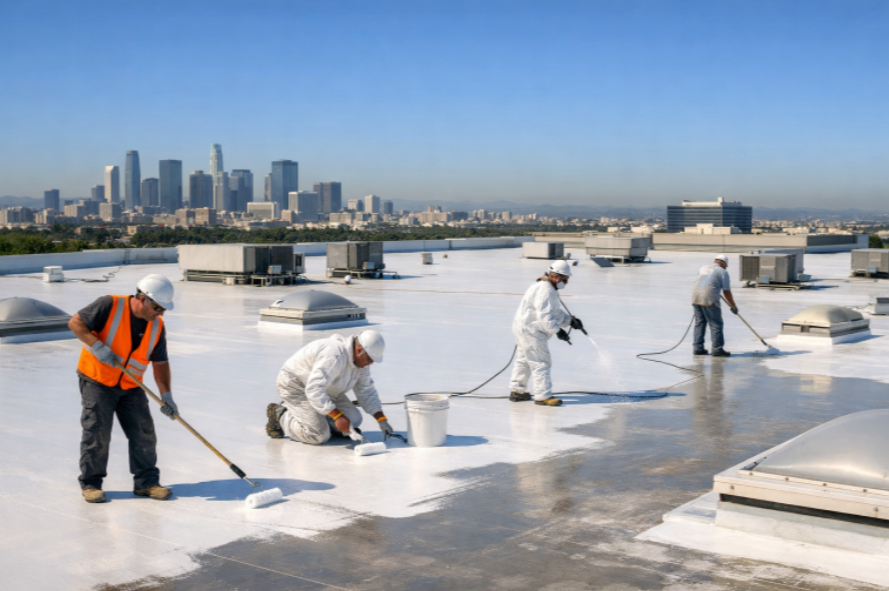
Applying a high-performance roof coating is one of the simplest and most effective ways to extend the life of an aging commercial roof. Products such as silicone or acrylic coatings form a seamless, waterproof membrane over existing roofing materials. This membrane not only prevents minor leaks but also protects the roof from harmful UV radiation. The resulting energy savings can be significant because these coatings reflect solar heat, lowering the building’s cooling needs and utility bills.
Roof coatings are particularly valuable for flat or low-slope commercial roofs, where standing water and sun exposure are common challenges. As demand for sustainable building practices grows, property owners and managers are increasingly choosing coatings for their affordability, minimal disruption during installation, and effective long-term results. Industry reports from major outlets like FacilitiesNet reinforce the value of coatings in a comprehensive maintenance plan.
Roof Rejuvenation Treatments
Roof rejuvenation offers a specialized approach to address the aging process of asphalt shingles, a common material on commercial roofs. Treatments derived from bio-based oils, such as soy or corn extracts, penetrate deeply into shingle surfaces, restoring lost flexibility and waterproofing characteristics. This process not only reverses the effects of UV and weather-induced brittleness but can often add between five and fifteen years to the lifespan of the roof, at a fraction of the cost of a replacement.
Building owners seeking sustainable solutions will appreciate that many rejuvenation products are eco-friendly and contribute to reduced landfill waste due to fewer tear-offs. According to experts frequently cited in trade publications, these treatments deliver fast, affordable results for qualifying roofs and should be considered during annual roofing assessments.
Retrofit Systems
A retrofit roofing system is an ideal option when the existing roof is structurally sound but starting to show signs of age. Retrofitting involves installing an additional roofing membrane or insulation layer directly over the old system, avoiding the cost and mess of a complete tear-off. Metal roofs, in particular, benefit from retrofit solutions such as single-ply membranes, which improve weather resistance, eliminate leaks, and enhance insulation value.
This approach can promptly upgrade the roof’s warranty and is often accompanied by significant energy savings from advanced reflective and insulating materials. Industry sources, including FacilitiesNet highlight retrofitting as a practical alternative for building owners looking to avoid business interruption while achieving cost savings and added performance.
Targeted Repairs
For roofs with isolated trouble spots rather than widespread deterioration, targeted repairs offer a highly economical solution. Common repairs may include replacing cracked flashings, resealing seams, patching up punctures, or fixing blisters in the membrane. These focused repairs can be scheduled quickly, causing minimal disruption to tenants or operations, while addressing problems before they escalate.
Routine inspections are essential for identifying developing weaknesses early and ensuring repairs are performed promptly. Building managers who make targeted repairs part of their maintenance protocol regularly find that their roofs require fewer large-scale interventions over time. In addition, those considering future renovations or replacements will benefit from the extra service life gained through these measures.
Drainage Improvements
Water accumulation is one of the greatest threats to any commercial roof’s longevity. Improving drainage systems directly reduces the risk of leaks, structural rot, and membrane failure. Solutions may involve regrading areas to eliminate ponding, adding or upgrading roof drains and scuppers, and keeping gutters and downspouts free of debris. Routine clearing of drains is invaluable in preventing water backup and potential roof collapse during heavy storms.
Modern designs and materials make it easy to enhance drainage on both new and aging roofs. Commercial building owners are encouraged to consult with qualified roofing professionals on the best ways to tailor drainage improvements to their specific structure, ensuring maximum protection against water-related damage and long-term durability.
Insurance Considerations
As a commercial roof ages, its insurability and policy terms may change. Many insurers move older roofs to actual cash value (ACV) policies, which calculate payouts after accounting for depreciation. To maintain optimal coverage and avoid costly out-of-pocket expenses in the event of damage, owners should proactively document roof improvements, maintenance activities, and professional upgrades. Staying ahead of insurance requirements improves eligibility for better terms and prepares property owners for policy changes as roofing technology evolves.
Consultations with insurance providers and regular review of policy updates are recommended to avoid gaps in coverage. More information about best practices for managing roofing and insurance can be found through sources like Forbes Advisor, which provides valuable insights for property professionals.
Conclusion
With careful planning, regular maintenance, and strategic upgrades, aging commercial roofs can deliver many more years of protection and performance. Options such as roof coatings, rejuvenation treatments, retrofitting, targeted repairs, and enhanced drainage allow owners to protect their buildings while controlling expenses. Taking a proactive approach reduces operational risks, supports sustainability initiatives, and ensures businesses can focus on growth rather than unexpected roofing emergencies.