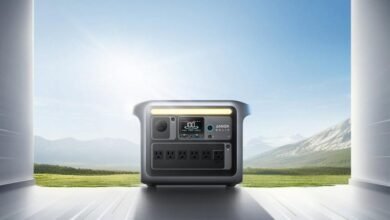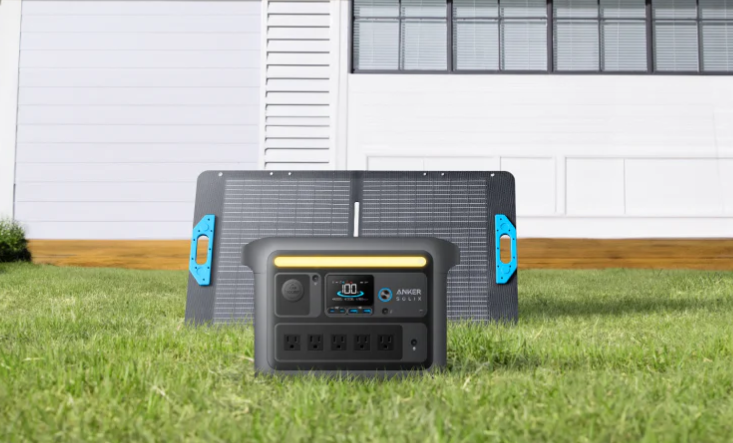
Camping trips are a chance to disconnect from daily life and enjoy nature. But even in the wild, staying powered is essential for devices like phones, GPS units, or portable lights. This is where camping solar panels come in. They allow outdoor enthusiasts to harness the sun’s energy, making trips safer, more convenient, and eco-friendly. For beginners, selecting the right solar panel can feel overwhelming. There are various sizes, types, and features, each suited for different needs. A panel that works perfectly for a solo weekend camper might not meet the demands of a family camping trip. Understanding what to look for in terms of power output, portability, and compatibility with devices can make all the difference. By using camping solar panels, you reduce reliance on batteries or generators. This not only saves money over time but also minimizes your environmental footprint. Beginners who invest in the right solar panel can enjoy longer trips, stay connected, and have peace of mind knowing their essential devices remain powered. This guide will walk you through everything you need to know to choose the best camping solar panels for your adventures.
What Should You Look for When Buying Camping Solar Panels?
When shopping for camping solar panels, beginners should focus on three main aspects: power output, panel efficiency, and portability. These factors directly affect how well the panel will meet your camping needs.
Power Output and Wattage Explained
The wattage of a solar panel determines how much energy it can produce. For beginners, understanding wattage is crucial because it tells you whether the panel can charge your devices efficiently. Low-watt panels may work for phones or small gadgets but could struggle with larger devices like laptops or portable fridges. It’s helpful to calculate your average power consumption before purchasing. For example, if your devices use 20 watts per hour, and you plan to camp for five hours in sunny conditions, a 100-watt panel may be more than sufficient. Keep in mind that weather, sunlight angle, and panel placement affect real-world performance. Choosing a panel with slightly higher wattage than you need ensures consistent energy availability.
Panel Efficiency and Conversion Rate
Panel efficiency measures how well a solar panel converts sunlight into electricity. Higher efficiency panels generate more power in limited sunlight. Beginners should look for panels with at least 18–22% efficiency to ensure reliable performance. Efficiency becomes especially important during cloudy days or early mornings. A compact panel with high efficiency can outperform a larger, less efficient one. Additionally, efficiency affects charging speed. Faster charging means you spend less time worrying about whether your devices have enough energy. For beginners, investing in efficient camping solar panels is a smart way to maximize energy output while keeping the setup manageable and portable.
How Do You Choose the Right Size Camping Solar Panel?
Choosing the right size solar panel is one of the most important steps for beginners. The panel should match your energy needs without being too bulky to carry.
Estimating Your Power Needs for Outdoor Gear
Start by listing all the devices you plan to charge. Include phones, cameras, GPS units, lights, or portable fridges. Next, check the energy consumption of each device, usually listed in watts or amp-hours. Add them up to determine your total energy requirement. This calculation will guide you in selecting a panel that can meet those needs reliably. Remember to account for multiple days of camping. If you’re on a long trip without backup power, choose a panel that produces more energy than your devices require. Beginners often underestimate energy needs, so erring on the side of extra capacity is wise.
Matching Panel Size with Trip Length and Usage
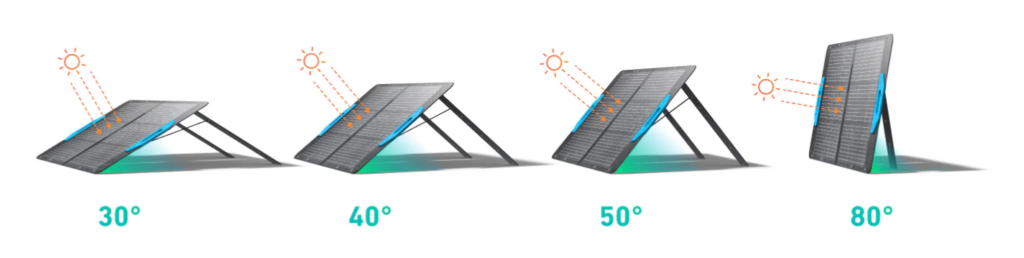
The physical size of the panel matters for portability. A small folding panel is ideal for short trips or solo camping, while a larger rigid panel might be better for family trips or extended stays. Also, consider how often you’ll use the panel. Frequent campers benefit from durable, higher-capacity panels, while occasional users may prefer lightweight and compact options. Another factor is the storage and setup space. Ensure your camping site has enough flat or elevated space to position the panel for optimal sun exposure. Panels with adjustable stands or flexible designs offer versatility in different terrains. Balancing size, power, and portability helps beginners enjoy the full benefits of camping solar panels without unnecessary hassle.
See also: The Future of Language Tech: How AI Is Changing Document Translation
Types of Camping Solar Panels and Their Best Use Cases
Not all camping solar panels are the same. Knowing the types available helps beginners make an informed choice.
Folding Solar Panels for Portability
Folding solar panels are lightweight, compact, and easy to carry. They are perfect for backpackers or solo campers who prioritize portability. These panels can fold into small bundles, making them convenient to pack in backpacks. They are generally efficient for charging phones, small lights, and other low-power devices. The main advantage is convenience, but they often have slightly lower wattage compared to rigid panels. Beginners should ensure that the folding panel’s output meets their essential energy needs.
Rigid vs Flexible Solar Panels for Camping
Rigid panels are durable, high-powered, and ideal for extended camping trips. They are usually mounted on a fixed surface, providing steady energy for larger devices. While they are heavier, their high efficiency and reliability make them suitable for family or group camping. Flexible solar panels, on the other hand, are lightweight and can bend to fit curved surfaces, like tents or backpacks. They are less durable than rigid panels but offer excellent versatility. Beginners choosing between rigid and flexible types should consider trip length, terrain, and devices to be powered.
Conclusion
Choosing the right camping solar panels can transform your outdoor experience. For beginners, the key is to balance power needs, portability, efficiency, and durability. Understanding your devices’ energy consumption and the type of camping you plan to do helps narrow down the options. Investing in high-quality, efficient panels ensures that your devices stay charged, your trip remains safe, and you spend less time worrying about power. Folding panels suit solo trips and short stays, while rigid or flexible panels work well for longer or family adventures. Consider panel wattage, efficiency, and setup convenience before making a purchase. Using camping solar panels is not only practical but also environmentally responsible. It allows campers to enjoy nature while minimizing reliance on disposable batteries or noisy generators. Beginners who take the time to select the right solar panel will enjoy longer, worry-free trips with reliable access to energy. With the right planning and knowledge, your first camping solar panel can become a dependable companion, powering devices and enhancing your outdoor adventures. Choosing wisely ensures every trip is safe, fun, and fully charged.