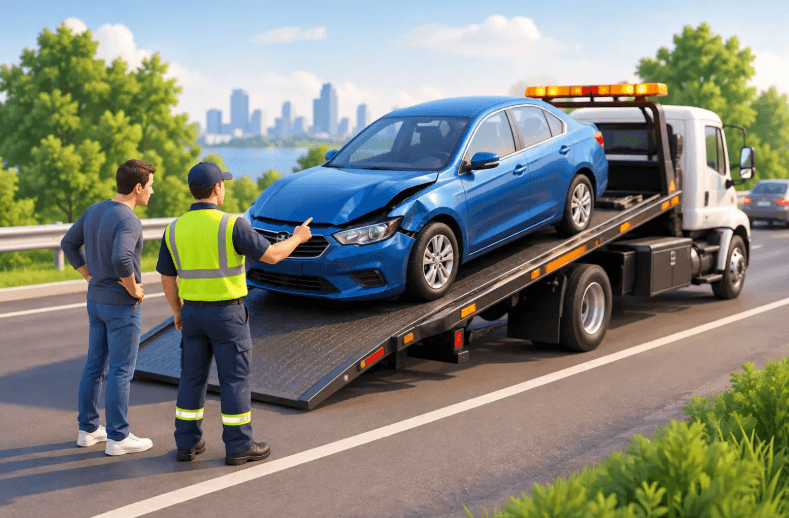
A traffic accident can leave a driver dealing with several problems at once. Beyond checking for injuries and exchanging information, there is also the question of what to do with a damaged vehicle. In many cases, driving away is not safe or even possible. That is when accident towing becomes an important part of managing the situation.
Knowing how accident towing works can help you make better decisions under pressure. It also reduces the risk of further vehicle damage, unnecessary delays, and unsafe roadside situations.
When Is Accident Towing Necessary?
Accident towing is often required when a vehicle cannot be driven safely after a collision. Visible damage may include broken wheels, damaged bumpers, leaking fluids, shattered lights, or body panels interfering with the tires.
However, not all dangerous damage is easy to see. Steering components, suspension parts, cooling systems, or alignment may also be affected after an impact. A vehicle might appear drivable while still having mechanical problems that make continued travel risky.
When there is any doubt about roadworthiness, arranging accident towing is usually a safer approach than attempting to continue driving.
Common Accident Towing Scenarios
Different collisions create different towing needs. A vehicle involved in a low-speed crash may only need transportation from the roadside. A more serious collision can leave a vehicle partially off the road or positioned in a way that requires careful handling.
Front-End and Rear-End Collisions
Front-end damage can affect the radiator, steering system, engine components, and headlights. Rear-end impacts may damage exhaust systems, wheels, or body structures.
In both situations, accident towing can prevent the vehicle from being driven before the full extent of the damage is understood.
Vehicles With Wheel or Suspension Damage
A bent wheel, damaged tire, or broken suspension component can make a vehicle unstable. Attempting to drive under these conditions may worsen the damage or make the vehicle difficult to control.
Proper accident towing allows the vehicle to be moved without depending on its damaged components.
Vehicles Blocking Traffic
After a crash, a disabled vehicle can create an additional hazard if it remains in an active traffic lane. Removing it safely helps restore traffic flow and reduces the possibility of a secondary collision.
What to Do Before the Tow Arrives
The period immediately after a collision can feel chaotic, but a few simple steps can make the process easier.
First, focus on personal safety. Move to a secure location if conditions allow, and contact emergency authorities when someone is injured or when the collision creates a serious road hazard.
Next, document the scene. Take clear photographs of vehicle damage, road conditions, and the surrounding area when it is safe to do so. Keep important information organized before accident towing begins.
You should also remove essential personal belongings from the vehicle. Items such as identification, medications, electronic devices, keys, or important documents may be difficult to access later.
Why Proper Vehicle Handling Matters
A damaged vehicle should not be handled like an ordinary parked car. Accident towing requires attention to the condition of the wheels, steering, bodywork, and surrounding road environment.
For example, dragging a vehicle with damaged suspension can create additional problems. A vehicle with leaking fluids may also require extra caution before it is moved.
Careful handling helps minimize additional damage while making the removal process more controlled.
Drivers who need local towing assistance after an accident can also review location information when deciding how to arrange help.
Questions to Consider After the Vehicle Is Towed
Once the vehicle has left the accident scene, the situation is not completely finished. It is useful to confirm where the vehicle is being taken and what steps will follow.
Ask whether the vehicle should be inspected before repairs begin. If the impact was significant, hidden mechanical or structural damage may need professional assessment.
Keep photographs, collision details, and any relevant documents together. Organized records can make later conversations about repairs or insurance easier to manage.
See also: Preparing for Divorce With a Divorce Lawyer in Oakville
How Accident Towing Supports Road Safety
Accident towing is not only about transporting damaged vehicles. It also plays a role in reducing roadside hazards.
A disabled car sitting near moving traffic can put the driver, passengers, other motorists, and emergency personnel at risk. Clearing the scene efficiently helps reduce congestion and improves safety for everyone nearby.
This is especially important at night, during poor weather, or on high-speed roads where visibility may be limited.
Conclusion
Accidents are unpredictable, but the response afterward does not need to be. Knowing when accident towing is necessary can help drivers avoid unsafe decisions and protect their vehicles from additional damage.
After a collision, prioritize personal safety, document the scene, and avoid driving a vehicle when its condition is uncertain. When the vehicle cannot move safely under its own power, accident towing provides a practical way to remove it from the roadway and prepare for the next stage.
A calm, organized response can make a difficult situation much easier to manage.