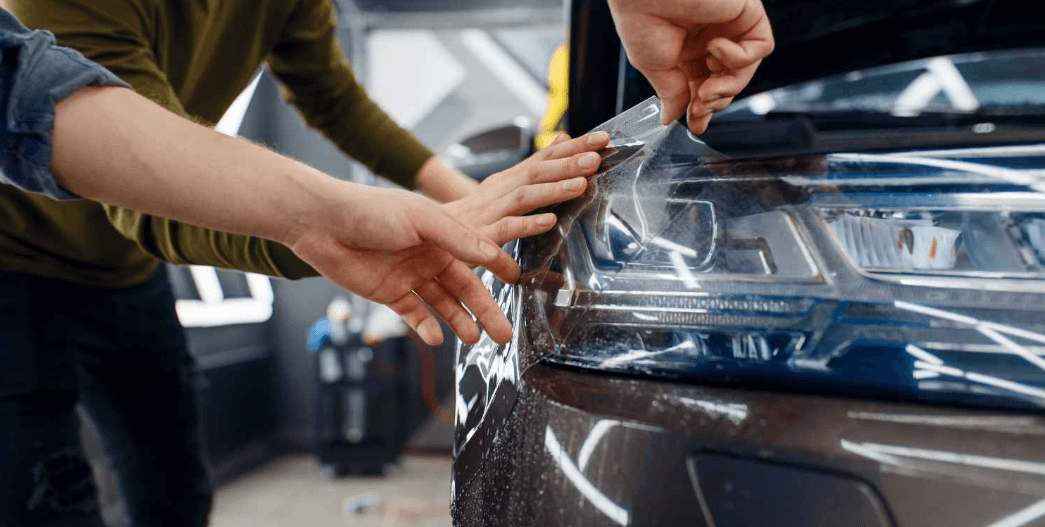
Paint protection film (PPF) installation is a specialized skill that combines technical precision, product knowledge, and business awareness. While the process may seem straightforward at first glance, achieving professional-quality results requires far more than applying film to a vehicle’s surface.
Installers must understand pattern-cutting software, film handling techniques, custom installation methods, and customer service best practices.
Modern training programs are designed to cover these areas in detail, helping installers reduce material waste, improve consistency, and operate more efficiently.
This guide explores the core installation techniques, essential tools, and business skills that contribute to successful PPF work, as well as the benefits of continuing education after certification.
Pattern Cutting and Software Training
Software training is one of the biggest differences between hobby-level installations and professional work.
Modern training programs dedicate significant time to plotter systems and cutting software because precision directly affects installation quality, efficiency, and profitability.
Using Plotter Software for Precision
Learning cutting software is a core component of professional PPF training because it helps installers create accurate film patterns while reducing waste and installation time. These systems use computer-aided design and manufacturing tools to generate templates that match a vehicle’s exact dimensions.
Installers select the vehicle manufacturer, model, and year, and the software retrieves the corresponding template from a built-in database. A plotter then cuts the film according to those specifications, producing consistent coverage across each panel.
Database availability plays a major role in efficiency. Platforms such as Opti-Coat Ultimate Cutting System offer access to more than 100,000 paint protection film and window tint patterns, while FilmCut provides over 170,000 templates.
This extensive coverage allows shops to service a wide range of vehicles without creating patterns from scratch.
The advantages extend beyond accuracy. Because cutting is performed before the film reaches the vehicle, installers avoid the risk of accidental paint damage associated with trimming directly on painted surfaces. Automated cutting also minimizes material waste, improves consistency, and reduces labor requirements.
Training programs typically teach installers how to load templates, adjust margins, create edge overlap, and modify patterns when additional coverage is required. These skills allow professionals to adapt standard templates while maintaining precision.
Bulk Installation vs. Pre-Cut Kits
Pre-cut kits are vehicle-specific film patterns produced using plotters and software databases. Bulk installation involves applying larger sheets of film to a vehicle and trimming away excess material during installation.
The primary difference lies in risk and consistency. Pre-cut kits eliminate the need to trim directly on painted surfaces, reducing the possibility of accidental cuts or scratches. Bulk installation requires greater care and experience because trimming occurs on the vehicle itself.
Consistency is another advantage of pre-cut systems. Every template is designed with specific edges and dimensions, resulting in repeatable installations across multiple vehicles.
Bulk installations can vary depending on installer technique, working conditions, and time constraints.
Modern vehicles add further complexity with cameras, sensors, sharp body lines, and narrow panel gaps. Pre-cut templates are designed to accommodate these features, while bulk installations often require more stretching, trimming, and adjustment.
Hand-Cutting Techniques for Custom Work
Despite advances in cutting software, hand-cutting remains an important skill. Vehicles with aftermarket modifications, uncommon body styles, or unavailable templates often require custom installation methods.
Hand-cutting allows installers to create custom patterns and wrap film around panel edges for a cleaner appearance. Wrapping edges can help conceal film lines while extending protection to vulnerable areas such as hood edges and fender lips.
Professional training programs cover both template-based and hand-cut installation techniques so installers can choose the most appropriate method for each project.
See also: Mini Pneumatic Cylinders in High-Speed Automation: Small Size, Big Impact
Building Business Skills Alongside Installation Skills
Technical ability is only part of running a successful PPF business. Installers must also understand pricing, customer communication, and operational efficiency to maintain profitability.
Pricing Strategies for PPF Services
Professional PPF installations typically range from approximately USD 900 to more than USD 10,000, depending on vehicle size and coverage level. Partial front-end packages generally cost between USD 900 and USD 2,000, while full-body coverage can exceed USD 10,000.
Labor represents the majority of the value provided to customers. The film itself is only one component of the service. Installation expertise, preparation, and attention to detail account for much of the final price.
Tracking billable time is essential. Excessive preparation, inefficient workflows, or unnecessary rework can significantly reduce profit margins.
Shops that standardize procedures, use computer-cut patterns, and streamline vehicle intake processes are often able to complete projects more efficiently while maintaining quality standards.
Even modest pricing adjustments can have a meaningful impact on profitability when supported by strong service quality and customer satisfaction.
Customer Communication and Expectations
Managing expectations is one of the most important aspects of customer satisfaction. Most clients understand that paint protection film is a manufactured product installed by hand, but they need realistic expectations before work begins.
Written agreements help prevent misunderstandings and provide clear documentation of the installation process.
Many installers find it helpful to show customers completed vehicles so they can understand how seams, relief cuts, and wrapped edges may appear in real-world applications.
Asking questions about vehicle ownership plans, driving habits, parking conditions, and overall expectations helps determine the most appropriate coverage package.
These conversations also provide an opportunity to explain maintenance requirements, expected film lifespan, and the possibility of minor dust contamination during installation.
Clear communication before installation often prevents disputes after the job is completed.
Time Management and Efficiency Tips
Every non-billable task affects overall profitability. Successful installers look for opportunities to improve workflow without compromising quality.
Plotting patterns during downtime, batching similar projects together, and standardizing preparation procedures can significantly improve productivity. Consistent cleaning processes, organized workstations, and efficient scheduling all contribute to better time management.
Small improvements made repeatedly throughout the day often have a substantial impact on long-term business performance.
Continuing Education After Your PPF Certification
Certification is an important milestone, but professional development should continue long after initial training is complete. The industry evolves regularly, and ongoing learning helps installers remain competitive.
Access to Ongoing Support
Many training providers offer continued support after certification. Graduates can often contact instructors for assistance with installation challenges, troubleshooting, or technical questions encountered in the field.
Manufacturers also provide digital resources, including product guides, instructional videos, and application tools that help installers address unfamiliar situations more confidently.
Having access to experienced support networks can be especially valuable when working on complex projects or newer vehicle models.
Advanced Training Opportunities
As installers gain experience, advanced courses provide opportunities to refine techniques and expand their capabilities.
Programs such as manufacturer-sponsored installer certifications often include advanced installation methods, problem-solving exercises, and instruction on handling more challenging vehicle designs.
Some providers also offer business-focused training that covers showroom presentation, sales processes, and customer education.
These programs help experienced professionals improve both technical performance and operational efficiency.
Staying Updated on New Products and Methods
Paint protection film technology continues to advance through improvements in film durability, self-healing properties, hydrophobic performance, and installation methods.
Installers who participate in ongoing education are often among the first to learn about new products and best practices.
Staying informed allows them to deliver better results, work more efficiently, and remain competitive in a growing industry.
Conclusion
Learning paint protection film installation involves much more than applying film to a vehicle. Professional success depends on a combination of technical precision, efficient workflows, strong communication skills, and sound business practices.
Pattern-cutting software improves consistency and productivity, while hand-cutting techniques remain valuable for custom applications.
Equally important is the ability to manage customer expectations, price services effectively, and maintain efficient operations. Ongoing education helps installers stay current as products and installation methods continue to evolve.
Those who invest in both technical development and business knowledge are better positioned to deliver consistent results and build long-term careers in the paint protection film industry.