Removing a building is a significant property-development step. Whether an aging structure needs to make way for redevelopment or a damaged building must be removed, demolition requires far more preparation than simply knocking walls down.
Professional building demolition contractors approach the process systematically. Site conditions, surrounding structures, access, debris handling, utility considerations, and final grading can all affect how demolition proceeds.
Demolition Begins With Site Assessment
Every structure presents different conditions. Building size, construction materials, foundation type, nearby properties, and available equipment space influence the demolition strategy.
A site assessment allows these factors to be considered before physical work begins.
Surrounding Features Need Protection
Buildings rarely stand completely isolated. Driveways, fences, trees, neighboring structures, utility infrastructure, and landscaping may exist close to the demolition zone.
Building demolition contractors must consider how machinery can operate without causing unnecessary disturbance outside the designated work area.
Access Determines Equipment Options
Heavy equipment requires sufficient room to enter and maneuver. Restricted access may affect machinery size and demolition sequencing.
Planning access early prevents a situation where equipment arrives but cannot safely reach the structure.
A property owner researching demolition can also consult a local demolition and excavation resource when considering site-specific access and preparation needs.
Utility Considerations Come Before Removal
Structures may contain or connect to electrical, water, gas, communication, drainage, and other infrastructure.
These connections require proper consideration before demolition starts. Unplanned contact with active infrastructure can create serious hazards and delays.
A Controlled Sequence Matters
Effective demolition generally follows a planned sequence. Random removal can create unstable sections or complicate debris handling.
Building demolition contractors evaluate structural characteristics and determine how the building should be dismantled while maintaining control of the work zone.
Debris Management Is a Major Part of Demolition
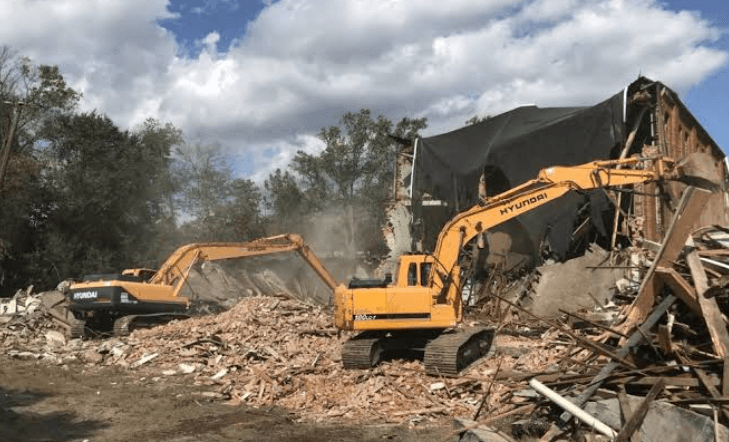
Once demolition begins, substantial quantities of material can accumulate quickly. Wood, concrete, masonry, metal, roofing materials, and other construction debris require organized handling.
A clean work area gives machinery more space to operate and simplifies subsequent stages.
Foundations May Require Separate Work
Removing the visible structure does not necessarily complete demolition. Depending on redevelopment plans, foundations, slabs, footings, and other below-grade components may also need removal.
Foundation work often requires excavation equipment and careful material handling.
Preparing the Site for Its Next Purpose
After structural materials have been removed, the property may need grading or filling. The required finish depends on what happens next.
A site awaiting new construction may need different preparation from land intended to remain open temporarily.
Building demolition contractors should therefore understand the expected post-demolition condition before work starts.
Questions Worth Asking Before Demolition
Property owners should clarify the project scope, site preparation responsibilities, expected demolition sequence, debris handling arrangements, and desired final site condition.
Clear expectations reduce misunderstandings and help ensure every stage of the work supports the next one.
See also: The Benefits of a Pest Control Subscription for Homeowners
Conclusion
Demolition is a coordinated process involving planning, machinery, debris management, site protection, and preparation for future land use. Experienced building demolition contractors consider the entire property rather than focusing only on removing the structure. By evaluating access, utilities, foundations, surrounding features, and final grading beforehand, property owners can create a clearer demolition plan and prepare the site effectively for whatever comes next.