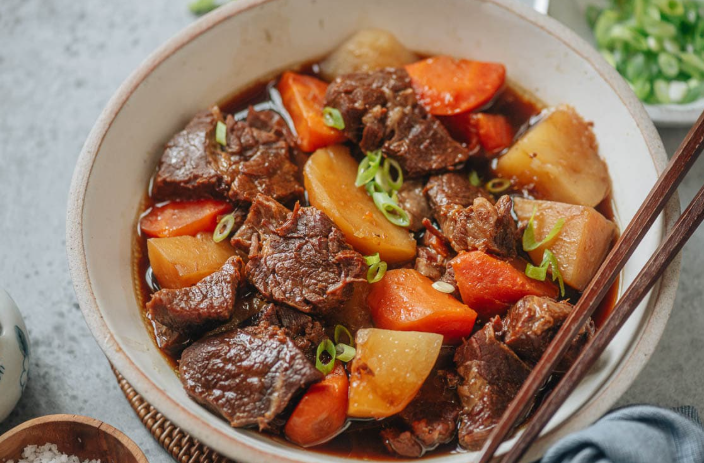
Beef is a versatile ingredient used across a wide range of cuisines, from traditional Chinese dishes and hot pot meals to Western-style steaks, burgers, soups, and stir-fries. In Hong Kong, where restaurants and households often value convenience as well as food quality, frozen beef can provide a practical way to maintain a reliable supply of meat throughout the year.
For consumers and food businesses, choosing the right frozen beef involves more than simply selecting a product from a freezer. Factors such as cut, packaging, storage conditions, intended cooking method, and food-handling practices can all influence the final result. Understanding these considerations can make it easier to select suitable products for different recipes and kitchen requirements.
Why Frozen Beef Is a Practical Choice
Freezing is a widely used method of preserving meat and extending its usable storage period. When beef is frozen and stored correctly, it can remain convenient for later preparation without requiring immediate consumption.
This can be particularly useful for busy households. Instead of purchasing fresh meat every time a meal is planned, consumers can keep suitable portions available for future recipes. Restaurants and catering businesses can also benefit from having a predictable supply of ingredients for their menus.
For buyers searching for frozen beef Hong Kong understanding storage and preparation requirements is an important part of making a suitable choice.
Selecting the Right Cut
Different cuts of beef are better suited to different cooking techniques. Choosing the right cut can therefore have a significant effect on texture and flavor.
Tender cuts may work well for quick cooking methods such as grilling, pan-searing, or stir-frying. Other cuts can be more suitable for slow cooking, where extended cooking time helps develop flavor and tenderness.
When purchasing frozen beef, consumers should consider the recipe they intend to prepare before selecting a particular cut. A product that works well for a steak may not necessarily be the best option for soup or braised dishes.
Understanding Portion Size
Portion size is another practical consideration. Buying beef in suitable quantities can make meal preparation easier and reduce unnecessary food waste.
For households, individually portioned products can be convenient because only the required amount needs to be thawed. Restaurants may have different requirements depending on their menu and expected daily demand.
Portion planning can also simplify inventory management. Businesses can estimate how much meat they need for regular service and organize their freezer accordingly.
Packaging and Product Condition
Packaging plays an important role in protecting frozen meat during storage. Buyers should look for packaging that appears properly sealed and intact.
Excessive ice accumulation, damaged packaging, or visible signs of poor storage may warrant closer attention. Proper packaging helps protect the product from exposure to air and moisture while it remains frozen.
For businesses, organized freezer management is equally important. Products should be clearly identified and stored in a way that allows staff to monitor inventory efficiently.
The Importance of Proper Storage
Once beef has been purchased, maintaining appropriate storage conditions is essential. Frozen products should remain at suitable freezer temperatures and should not be repeatedly exposed to temperature changes.
A well-organized freezer can help maintain consistent storage conditions. Businesses may also use inventory rotation systems so that older products are used appropriately rather than being forgotten at the back of a freezer.
Households can apply the same principle on a smaller scale. Labeling products with purchase or storage dates can make it easier to manage freezer contents.
Safe Thawing Practices
How beef is thawed can affect both food safety and the final cooking result.
Rather than leaving frozen meat at room temperature for extended periods, consumers should use an appropriate thawing method. Refrigerated thawing is generally a practical approach because it allows the meat to gradually defrost while remaining under controlled conditions.
If a faster method is required, consumers should follow recognized food-safety guidance and cook the meat promptly after using the chosen method.
Once beef has been thawed, it should be handled carefully to prevent cross-contamination with other foods and kitchen surfaces.
Preparing Beef for Different Dishes
One advantage of beef is its adaptability. The same general ingredient can be incorporated into very different meals depending on the cut and preparation method.
Thinly sliced beef can work well in stir-fries and noodle dishes. Larger cuts may be suitable for roasting or grilling, while tougher cuts can be used in stews and slow-cooked recipes.
Seasoning also varies according to cuisine. Garlic, ginger, soy sauce, black pepper, herbs, spices, and marinades can all complement beef depending on the dish.
Understanding the characteristics of each cut allows cooks to choose preparation techniques more effectively.
Managing Frozen Beef in Restaurants
Restaurants have additional considerations because meat may be handled in larger quantities. Consistent storage, inventory rotation, staff training, and preparation procedures can all contribute to efficient kitchen management.
Kitchen managers can establish clear procedures for receiving frozen products, checking packaging, organizing freezer storage, thawing ingredients, and preparing portions.
Maintaining accurate inventory records can also help businesses avoid over-ordering. When purchasing patterns are based on actual menu demand, restaurants can reduce unnecessary waste and maintain a more predictable food budget.
Avoiding Common Mistakes
Several simple mistakes can reduce the quality of frozen beef or create unnecessary food-safety concerns.
One common issue is repeatedly thawing and refreezing meat without following appropriate safety procedures. Another is leaving frozen products outside controlled storage conditions for too long.
Improper freezer organization can also create problems. Products without clear labels or dates can be difficult to manage, especially in a busy commercial kitchen.
Consumers should also avoid judging meat quality solely by price. Product information, packaging, storage, cut, and intended use are all relevant when making a purchasing decision.
Making Better Purchasing Decisions
A good purchasing decision starts with identifying the intended use. Someone preparing a family dinner has different requirements from a restaurant purchasing ingredients for a large menu.
Before buying, consider:
- The type of dish being prepared
- The preferred beef cut
- Required portion size
- Available freezer space
- Packaging quality
- Storage requirements
- Expected consumption time
These factors can help consumers and businesses select products that fit their actual needs instead of purchasing quantities or cuts that may not be suitable.
Building Better Food-Storage Habits
Good storage habits are useful for both households and professional kitchens. Freezers should remain organized, products should be clearly identified, and older inventory should be used appropriately.
Keeping raw meat separated from ready-to-eat foods can also help reduce the risk of cross-contamination. Kitchen surfaces, utensils, and hands should be cleaned appropriately after handling raw beef.
These habits may seem simple, but they can make everyday food preparation safer and more efficient.
See also: 3 Best Assignment Help Websites for Accounting Assignments
FAQs
1. Is frozen beef suitable for everyday cooking?
Yes. Properly stored frozen beef can be convenient for everyday meals and can be used in a wide range of recipes.
2. How should frozen beef be thawed?
A controlled thawing method, such as thawing in a refrigerator, can be a practical option. Meat should be handled according to appropriate food-safety practices.
3. How do I choose the right beef cut?
Choose the cut based on the cooking method and recipe. Tender cuts may suit quick cooking, while other cuts can be better for slow cooking or braising.
Conclusion
Frozen beef can be a convenient and versatile ingredient for households, restaurants, and catering businesses in Hong Kong. The key to achieving good results is choosing an appropriate cut, checking packaging, maintaining proper storage conditions, and following safe thawing and preparation practices.
By considering the intended recipe, portion requirements, freezer capacity, and overall product condition, consumers can make more informed decisions and get greater value from their meat purchases. Good storage and handling habits then help ensure that the ingredient remains practical, safe, and suitable for a wide variety of meals.