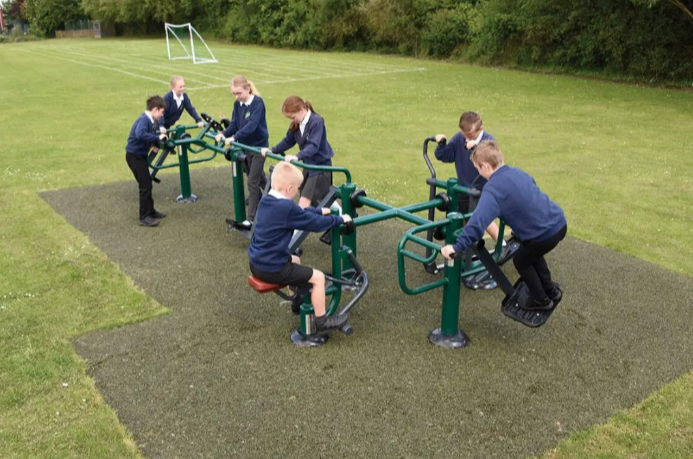
When it comes to educational environments, the provision of school sports equipment is vital for promoting physical activity and wellbeing among students. Quality sports equipment in schools can significantly impact students’ engagement, skill development, and overall physical health.
The Role of Sports in Education
Sports play a crucial role in education by fostering team spirit, enhancing physical health, and improving mental well-being. Schools that invest in robust sports programmes create a well-rounded education system that supports students’ growth not only academically but also personally. The inclusion of quality sports equipment further enhances these experiences, ensuring that students can safely and effectively participate in various sports activities.
Safety and Durability
When selecting school sports equipment, safety and durability are paramount. Equipment used by students needs to meet safety standards to prevent injuries. Durable equipment ensures that schools do not need to frequently replace items, which can be costly. By investing in high-quality equipment from reputable suppliers, schools can maintain a safe and long-lasting sports programme.
Encouraging Lifelong Fitness
Introducing students to sports at a young age is crucial for fostering a lifelong appreciation for physical fitness. Schools are in a unique position to influence students’ attitudes towards physical activity. Providing them with access to varied and high-quality sports equipment can lead to a more positive experience, encouraging them to maintain an active lifestyle well into adulthood.
Benefits of Team Sports
Team sports are an integral part of school sports programmes. They teach students essential life skills such as cooperation, communication, and leadership. The right sports equipment supports these activities by enabling effective practice and gameplay. Whether it is football, basketball, or any other team sport, having the appropriate equipment allows students to engage fully and gain the most from their experiences.
Supporting Inclusive Participation
Having diverse and adaptable sports equipment ensures that all students can participate, regardless of their physical abilities. Schools must aim to accommodate everyone by providing equipment that caters to a wide range of needs. This inclusivity in sports helps build a supportive community and promotes equality within the school environment.
Setting up for Success
Investment in proper sports equipment sets the stage for student success in physical education. High-quality equipment allows students to hone their skills effectively, providing a solid foundation whether they are pursuing sports recreationally or at competitive levels. Schools that prioritise quality over quantity find their sports programmes more sustainable and impactful.
Holistic Development
Physical education contributes significantly to students’ holistic development. Quality sports equipment supports this by ensuring students can consistently practice and improve. Schools can effectively cultivate well-rounded individuals by balancing sports and academics, preparing students for future challenges.
Assessing Equipment Needs
Before procuring sports equipment, schools should conduct an assessment of their needs. Understanding the specific requirements based on student population size, available sports facilities, and the range of sports offered is crucial. This strategic approach ensures that the investment in sports equipment is well utilised, enhancing the educational value provided to students.
Innovations in Sports Equipment
With technological advancements, sports equipment has evolved, providing better safety, performance, and engagement. Schools should stay updated with these innovations to offer the best sporting experiences to their students. Modern equipment not only enhances performance but also keeps students engaged with contemporary sports trends.
Budget Considerations
While quality is vital, schools must also consider budget constraints. It is essential to strike a balance between acquiring premium sports equipment and maintaining fiscal responsibility. This can often involve selecting a reliable supplier that offers quality equipment at competitive prices.
Environmental Responsibility
Schools today are increasingly aware of their environmental responsibilities. Choosing sports equipment that is eco-friendly or made from sustainable materials can reinforce this commitment. Eco-conscious choices in sports equipment reduce the carbon footprint while setting a positive example for students.
The Influence of a Reputable Supplier
Selecting the right supplier is critical to ensure the provision of quality sports equipment. A reputable provider can offer guidance, customer support, and a wide range of products to suit various school needs. Schools should seek suppliers with a proven track record and positive customer feedback.
Regular Maintenance
Proper maintenance of sports equipment is crucial to prolong its lifespan. Schools should establish a regular maintenance routine to inspect and repair equipment as necessary. This not only ensures safety but also optimises performance, allowing for consistent student engagement in sports activities.
Creating a Sports Culture
Lastly, schools should focus on creating a strong sports culture that values participation, effort, and fair play. An investment in quality sports equipment reflects this culture, showing students that their health and well-being are priorities. By fostering such an environment, schools encourage students to develop a lifelong passion for sports.