Healthcare continues to evolve with advanced technologies and patient-focused approaches that improve diagnosis, treatment, and recovery experiences. A minimally invasive medical center in Houston providing precision healthcare services represents this modern shift by combining advanced techniques, specialized expertise, and personalized care approaches to address a wide range of medical needs.
Unlike traditional treatment methods that may require larger surgical procedures, minimally invasive healthcare focuses on techniques designed to reduce physical stress on the body while maintaining effective medical outcomes. These approaches often involve smaller incisions, advanced imaging guidance, specialized instruments, and carefully planned procedures that support faster recovery and improved patient comfort.
A precision-focused medical center emphasizes accuracy, safety, and individualized treatment planning. By considering each patient’s unique health condition, medical history, and goals, these centers create care pathways designed to support better outcomes and enhanced quality of life.
Understanding Minimally Invasive Healthcare Solutions
Minimally invasive healthcare refers to medical procedures and treatment approaches that use advanced technology to diagnose and treat conditions while limiting disruption to surrounding tissues.
Traditional procedures may require larger openings and longer recovery periods, while minimally invasive methods are designed to achieve medical objectives through more targeted techniques.
Key features of minimally invasive healthcare include:
- Smaller access points
- Advanced diagnostic guidance
- Reduced tissue impact
- Improved procedural precision
- Shorter recovery periods in many cases
- Enhanced patient comfort
These advantages make minimally invasive approaches valuable across various areas of healthcare.
See also: The Life Skills Gained Through Youth Basketball Training
The Importance of Precision in Modern Medical Care
Precision healthcare focuses on delivering treatment based on individual patient needs rather than using a general approach for every situation.
A precision-based medical center considers factors such as:
- Patient health history
- Specific medical condition
- Treatment goals
- Lifestyle requirements
- Recovery expectations
This personalized approach helps healthcare professionals develop strategies that are more aligned with each patient’s circumstances.
Precision does not only apply to procedures. It also involves accurate diagnosis, careful planning, effective monitoring, and continuous improvement throughout the treatment journey.
Advanced Technology Supporting Minimally Invasive Treatments
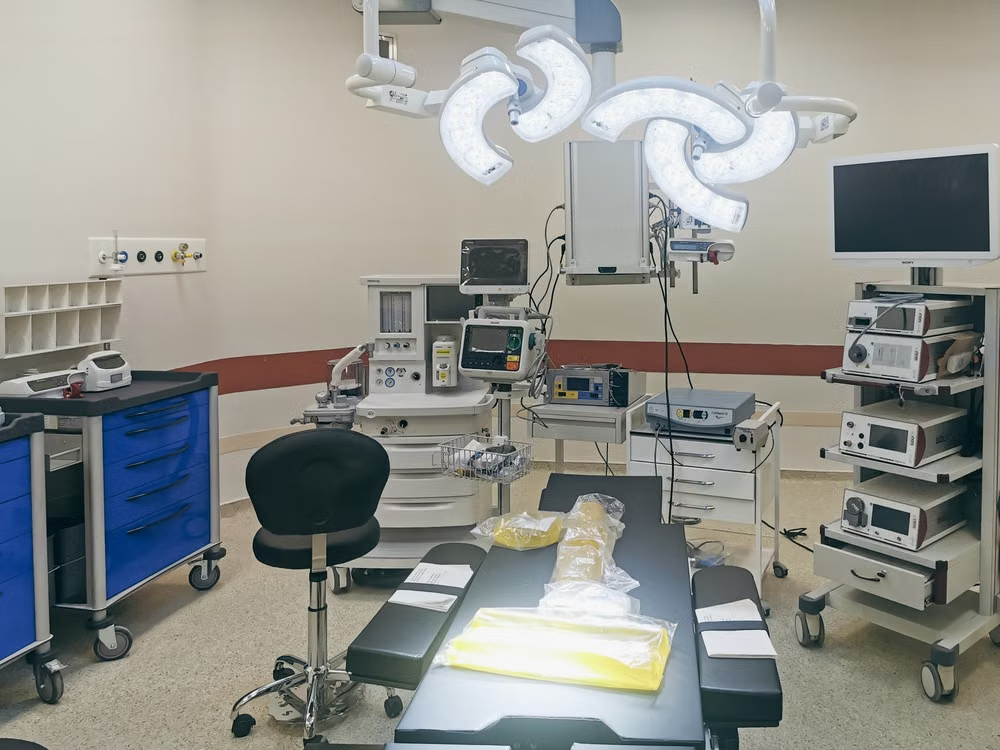
Technology plays a central role in modern minimally invasive medical care. Advanced equipment allows healthcare professionals to perform procedures with improved visibility, control, and accuracy.
Advanced Imaging Systems
High-quality imaging technologies help medical teams understand internal structures before and during procedures.
Imaging support can assist with:
- Accurate diagnosis
- Treatment planning
- Target identification
- Procedure guidance
- Follow-up monitoring
Better visualization contributes to improved decision-making and more precise care delivery.
Specialized Medical Instruments
Minimally invasive procedures often rely on specially designed instruments that allow healthcare professionals to perform complex tasks through smaller access points.
These tools support:
- Greater procedural control
- Improved accuracy
- Reduced disruption to surrounding areas
- Enhanced treatment efficiency
Digital Healthcare Integration
Modern medical centers increasingly use digital systems to improve communication, monitoring, and patient management.
Digital healthcare solutions may support:
- Medical record organization
- Treatment tracking
- Data-based decision-making
- Patient follow-up care
Technology integration strengthens the overall healthcare experience.
Areas Where Minimally Invasive Treatments Provide Benefits
Minimally invasive approaches are used across multiple medical specialties where precision and patient comfort are important.
Women’s Health Procedures
Many women’s health conditions can benefit from advanced minimally invasive approaches.
These techniques may support treatment for conditions involving:
- Uterine health
- Pelvic conditions
- Reproductive health concerns
- Other gynecological issues
Personalized evaluation helps determine the most suitable approach based on individual needs.
Digestive Health Procedures
Minimally invasive techniques are also used in digestive healthcare to diagnose and manage certain conditions.
Benefits may include:
- Improved procedural comfort
- Reduced recovery challenges
- More targeted treatment approaches
Care decisions depend on the specific condition and medical assessment.
Pain Management and Joint Care
Advanced minimally invasive methods can support certain orthopedic and pain-related treatments.
These approaches may focus on:
- Improving mobility
- Reducing discomfort
- Supporting functional recovery
- Addressing specific sources of pain
A personalized care plan helps determine appropriate options.
Benefits of Choosing a Precision Healthcare Approach
A minimally invasive medical center provides several advantages by combining advanced procedures with patient-focused care.
Reduced Physical Impact
One of the primary benefits of minimally invasive methods is reducing unnecessary disruption to healthy tissues.
This approach may support:
- Improved comfort
- Lower procedural stress
- More manageable recovery experiences
Faster Return to Daily Activities
Many minimally invasive procedures are designed to help patients resume normal routines more efficiently compared with some traditional approaches.
Recovery experiences vary depending on:
- Type of procedure
- Individual health condition
- Overall wellness
- Treatment complexity
Improved Treatment Accuracy
Precision-based techniques allow healthcare teams to focus treatment more specifically on the area requiring attention.
This targeted approach can improve procedural planning and support better medical outcomes.
Enhanced Patient Experience
Patient comfort and confidence are important aspects of modern healthcare.
A supportive medical environment combined with advanced treatment options helps create a more positive healthcare journey.
Personalized Care Planning at a Minimally Invasive Medical Center
Every patient has unique healthcare needs. A personalized treatment plan ensures that care decisions consider individual circumstances.
A comprehensive care plan may involve:
- Detailed medical evaluation
- Diagnostic testing
- Treatment recommendations
- Recovery planning
- Ongoing monitoring
This approach helps patients understand their options and participate actively in healthcare decisions.
The Role of Expert Medical Teams
Advanced technology is most effective when combined with skilled medical professionals who understand how to apply it appropriately.
A strong healthcare team focuses on:
- Accurate assessment
- Safe treatment practices
- Clear communication
- Patient education
- Continuous care support
Professional expertise ensures that technology is used effectively while maintaining patient safety.
Preparing for a Minimally Invasive Procedure
Proper preparation plays an important role in achieving successful treatment experiences.
Patients may be advised to:
- Complete required evaluations
- Discuss medical history
- Follow preparation instructions
- Understand the procedure process
- Plan recovery support
Being informed helps patients feel more comfortable and prepared.
Recovery and Follow-Up Care
Recovery is an important part of the healthcare process. Even when procedures are minimally invasive, proper aftercare supports healing and long-term results.
Follow-up care may include:
- Progress evaluations
- Recovery guidance
- Lifestyle recommendations
- Additional monitoring when needed
Regular communication with healthcare providers helps address concerns and support continued improvement.
Future of Precision Medical Care
Healthcare innovation continues to advance, with increasing focus on personalized treatment, improved technology, and better patient outcomes.
Future developments in minimally invasive medicine may include:
- More advanced diagnostic tools
- Improved procedural accuracy
- Enhanced digital healthcare systems
- Greater personalization of treatment plans
These advancements are helping create a healthcare environment focused on safety, efficiency, and patient-centered solutions.
Building a Healthier Future Through Advanced Care
Choosing a minimally invasive healthcare approach allows individuals to access modern treatment methods designed around precision and comfort.
A comprehensive medical center combines:
- Advanced technology
- Experienced healthcare professionals
- Personalized planning
- Patient-focused support
Together, these elements create a stronger foundation for effective healthcare delivery.
Conclusion
A minimally invasive medical center providing precision healthcare services represents a modern approach to diagnosis, treatment, and recovery. By combining advanced technology, personalized planning, and specialized medical expertise, these centers help patients access accurate and efficient healthcare solutions.
From improved procedural precision to patient-focused recovery support, minimally invasive healthcare continues to transform medical experiences. With ongoing advancements and a commitment to individualized care, precision healthcare services provide valuable opportunities for better outcomes, improved comfort, and long-term wellness.