Confused whether to go for a modern wet room or a traditional bathroom?
You’re not alone. Bathrooms are currently the UK’s number one room to renovate and there are hundreds of homeowners deliberating between modern or traditional. But it’s not just an aesthetic choice – it impacts:
- Your budget
- Your daily routine
- Your home’s resale value
And here’s the kicker…
To fail is costly and sometimes irreversible without buying new again.
In this guide:
- What Is a Wet Room?
- What Is a Traditional Bathroom?
- The Cost To Replace a Bathroom
- Wet Room Pros and Cons
- Which Option Suits Your Home?
What Is a Wet Room?
A wet room is a bathroom where the whole room has been waterproofed and the floor is open and flat. There is no shower tray, no enclosure and nothing to step over. Water drains away through a hole in the floor where there is a recessed drain installed.
The whole room (or at least the shower area) is “tanked.” This is when you put a waterproof membrane on every wall/floor prior to tiling.
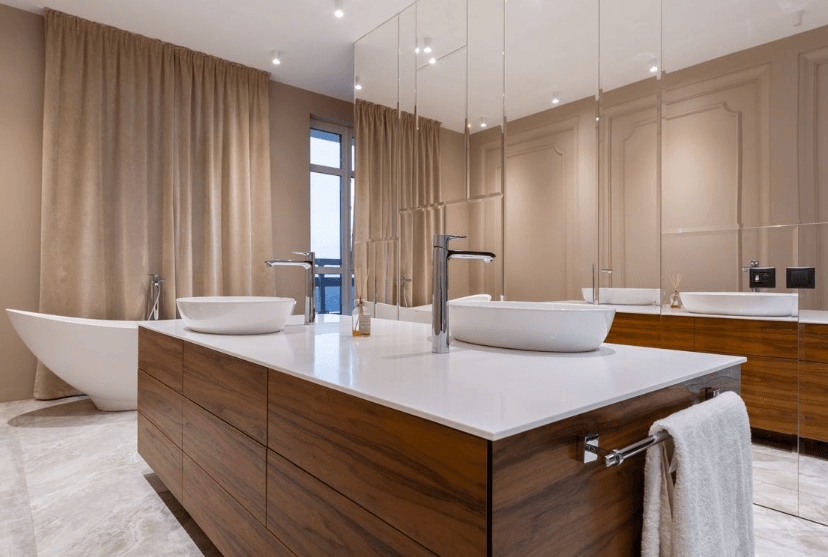
This finishes with the sleek feel that wet rooms are known for. Creating that clean, spa vibe that many trendy houses seek. They work particularly well with large format tiles, underfloor heating and simple fixtures.
What Is a Traditional Bathroom?
Conventional means you have what most bathrooms in the UK are already built with. You have an allocated shower enclosure or bathtub with:
- A raised shower tray or bath
- Glass doors or a shower screen
- A separate wet zone
Waterproofing is only just behind the wet areas – such as the tiles around the bath or inside the shower cubicle. The rest of the bathroom remains dry.
Basic, familiar and proven over time. It’s also what the majority of buyers are looking to see when they tour a house. Keep this in mind if you plan to sell your home in the future.
The Cost To Replace a Bathroom
Here’s where things get interesting…
Prices will vary greatly depending on which bathroom renovation option you choose. Wet rooms are priced 20-30% higher than a standard fit-out due to the additional waterproofing and drainage work required.
For a full breakdown of the figures, take a look at this comprehensive bathroom cost guide.
Here’s a rough idea of what you can expect:
- Traditional bathroom: From £4,000 to £10,000
- Wet room: From £4,000 to £12,000 (average around £8,000)
But it’s not just the headline cost… UK consumers are shelling out bigger bucks than ever before too. The median spend on bathrooms has increased by 39% to £7000 according to the latest Houzz research.
Things that push the cost higher:
- Subfloor type (concrete is cheaper than timber)
- Rerouting pipework and moving fixtures
- Premium tiles and fixtures
- Underfloor heating (standard in most wet rooms)
Property type is important as well. Wet rooms in upper floor flats require additional tanking precautions to prevent leaks into the room beneath.
Wet Room Pros and Cons
Wet rooms have surged in popularity for good reason. But they’re not perfect.
The Pros:
- Sleek modern look: No bulky trays or screens means a minimalist, spa-like finish
- Great for small spaces: Removing the enclosure makes tiny bathrooms feel much bigger
- Easier to clean: Fewer grout lines and no shower tray to scrub
- Future-proof accessibility: Level access is ideal for wheelchairs, walkers or aging in place
The Cons:
- Higher upfront cost: Waterproofing the entire room adds serious expense
- No bathtub: Losing the bath can hurt resale value in family homes
- Ventilation is critical: Without a proper extractor fan, mould can appear within months
- Retrofitting is messy: Older homes often require digging up/building up floor to align with drain
Point worth mentioning with regards to accessibility. Statistics from the ONS indicate that by 2035, 24% of the population will be aged 65+. Having level access throughout could benefit you in the future.
See also: Helping Children Adjust to a New Home or Family Routine
Traditional Bathroom Pros and Cons
Old fashioned bathrooms are not dead. They remain the bathroom style found in most UK homes and will stay the popular and conservative choice for years to come.
The Pros:
- Familiar and versatile: Easy to design, easy to sell, easy to live with
- Comes with a bathtub: Ideal for young families or people who enjoy bathing
- Cheaper to install: Less waterproofing means lower installation costs
- Better resale if you have family homes: Buyers with children will anticipate a minimum of one bath
The Cons:
- Can feel dated: Enclosures and trays can look bulky in a small space
- Harder to keep clean: More grout, glass and corners to scrub
- Less accessible: Steps into baths and over trays create trip hazards
Which Option Suits Your Home?
Here’s the honest truth…
It depends. There’s no definitive answer. It really just depends on your house and your budget and your family.
A wet room might be right if you:
- Have a small bathroom that needs to feel bigger
- Want a sleek, modern aesthetic
- Are planning to stay in the home long-term
- Need accessible bathing for mobility reasons
- Already have a second bathroom with a bath
A traditional bathroom might be right if you:
- Have young kids who need bath time
- Are renovating a family home for resale
- Want to keep costs down
- Prefer a familiar layout
- Don’t want to worry about ventilation and moisture
Consider the house too. Wet rooms require a concrete subfloor – trying to fit one on a timber floor over someone else’s flat will cause problems (expensive problems). Another consideration is ventilation. Without a decent extractor fan a wet room will promote mould.
Final Thoughts
Choosing between a wet room and a traditional bathroom installation often depends on lifestyle. Wet rooms can look fabulous when designed well. Ordinary bathrooms can look fabulous when designed well. Wet rooms can look terrible when designed badly. Ordinary bathrooms can look terrible when designed badly.
Here’s a quick recap:
- Wet rooms = modern, minimalist, accessible, but pricier and more technical
- Traditional bathrooms = familiar, family-friendly, cheaper, but less on-trend
- Cost = wet rooms typically 20-30% more than traditional builds
The better news? Whichever direction you choose, a smart bathroom remodel will usually net you about a 4% increase in your home value with a positive return on investment for your hard dollars.
Shop around, get several estimates from reputable installers and choose the option that works for your REAL lifestyle. Not what looks good in a magazine or showroom.