You already know restorative care is rarely simple. A patient comes in with pain, a broken filling, a worn crown, or teeth that have slowly declined over years, and what should be straightforward can turn into a chain of delays, repeat visits, insurance questions, and treatment choices that feel harder than they should, especially when implant dentistry in Andover becomes part of the conversation. That strain lands on everyone. Patients worry about cost and time. Dental teams juggle records, imaging, scheduling, and lab communication. A general dentist has to make solid decisions fast, with limited room for error.
That is where technology has changed the pace and quality of care. The role of technology in streamlining restorative care is not about replacing clinical judgment. It is about removing friction. Digital imaging sharpens diagnosis. Intraoral scanners reduce the mess and inaccuracy of physical impressions. Better records and communication tools keep treatment moving instead of stalling between appointments. Patients feel that difference right away, because smoother care usually means fewer surprises, less waiting, and a clearer path from problem to repair.
Technology reduces the delays that often slow restorative treatment
Restorative treatment often breaks down at the same points. An old restoration fails, but the crack is hard to see on a basic exam. An impression needs to be retaken because the margin was unclear. A lab case comes back with a fit issue. A patient forgets why one material was recommended over another and hesitates to move forward. None of that is rare. It is everyday dentistry.
Digital tools help by tightening each step. High quality radiographs and intraoral images give a fuller picture of decay, bone levels, margins, and fractures. Caries detection software and magnified imaging can support earlier intervention, which often means a smaller restoration instead of a larger one later. Electronic health records also make it easier to track medical conditions, medications, and prior treatment, which matters when a patient has dry mouth, diabetes, or a history of frequent restoration failure.
That speed matters because delay has a cost. A tooth that could have been restored with a filling can progress to needing endodontic treatment and a crown. A crown that could have been repaired early may fail completely. When care drags, patients lose trust. They start to expect inconvenience, and some stop coming in until the problem is worse.
Digital restorative dentistry also improves communication. When patients can see a cracked cusp or recurrent decay on a screen, the conversation changes. They are not just hearing a recommendation. They are seeing the reason for it. That tends to reduce confusion and makes consent more informed.
See also: Why Family Dental Visits Can Reveal Shared Lifestyle Risks
Smarter workflows support better restorative outcomes
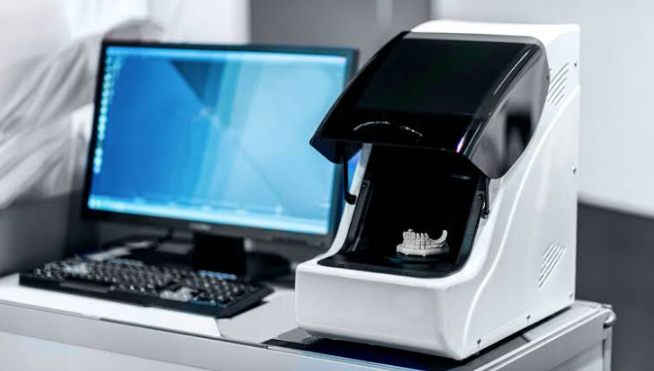
Technology does more than help diagnose a problem. It helps organize treatment around real life. Chairside scanning can cut down on remakes and improve comfort for patients who struggle with gagging or anxiety. CAD and CAM systems can shorten the time between preparation and delivery for some restorations. Secure digital file sharing with labs reduces back and forth and gives technicians better information to work from.
Patients feel these changes in practical ways. Fewer appointments mean less missed work and less disruption at home. Faster turnaround can reduce the chance that a temporary restoration fails before the final one is seated. Automated reminders and digital follow up can also keep patients on track with post treatment care and recall visits.
Research across healthcare keeps pointing in the same direction. Better systems, training, and communication improve consistency and access. The Centers for Medicare and Medicaid Services has emphasized staff training and operational readiness in care delivery through its guidance on training and quality systems. Public health research also shows that stronger digital infrastructure can support more coordinated care, as seen in this CDC publication on technology and care delivery. Broader evidence on health system digitization in peer reviewed research on digital transformation in healthcare reinforces the same point. Better tools do not fix everything, but they do make reliable care easier to deliver.
Technology choices affect comfort, accuracy, and cost
Not every tool offers the same value in every case. Some upgrades improve the patient experience right away. Others matter more behind the scenes. What matters is whether the technology helps the dentist diagnose clearly, restore predictably, and reduce avoidable repeat work.
| Area of Care | Traditional Approach | Technology Supported Approach | Likely Patient Impact |
|---|---|---|---|
| Impressions for crowns | Physical impression material, possible retakes | Digital intraoral scanning | More comfort, fewer retakes, faster lab communication |
| Detecting decay or fractures | Visual exam and standard radiographs only | Enhanced digital imaging and photo documentation | Earlier detection and clearer treatment explanation |
| Record management | Paper charts or fragmented systems | Integrated electronic records | Fewer missed details, easier follow up, smoother scheduling |
| Lab communication | Manual prescriptions and physical shipment | Digital case files and image sharing | Better fit, fewer remakes, shorter turnaround |
Technology in restorative dentistry is most helpful when it removes weak links. A flashy device that does not improve diagnosis or fit is not much help. A simple digital workflow that prevents one remake a week can save hours, lower stress, and protect patient trust.
Practical steps help you make better restorative care decisions
Ask how technology changes the actual treatment process. If a practice uses digital scans, imaging, or same day design tools, ask what that means for your case. You want specifics. Will it reduce appointments, improve fit, or help catch hidden damage before treatment begins?
Request visual explanations of the problem. A good restorative plan should be easy to understand. Photos, digital scans, and chairside images can show why a tooth needs a filling, crown, onlay, or replacement restoration. That clarity helps you compare options without feeling pushed.
Focus on workflow, not just equipment. The best restorative care comes from a practice that uses technology well, not one that simply owns it. Pay attention to whether records are organized, follow up is clear, and treatment steps are explained in plain language. That is usually where streamlined care becomes real.
Better systems make restorative care feel more manageable
If restorative treatment has ever felt drawn out, confusing, or harder than it should be, you are not imagining it. Small breakdowns at each stage can turn one repair into a long process. Technology helps by making diagnosis clearer, communication easier, and treatment more consistent. For patients, that often means less uncertainty and more confidence in what comes next.
When you need a general dentist for restorative work, look for a practice that uses technology with purpose and explains care in a way that makes sense. That alone can make the process feel lighter, more efficient, and easier to move through.