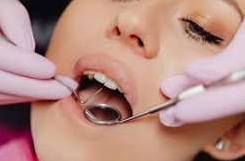
You may be excited about whitening, veneers, or bonding and still feel uneasy when your dentist starts with fillings, gum care, or a routine exam. That reaction makes sense. You want the smile change you can see, not the prep work that feels slower and less exciting. The problem is simple. Cosmetic treatment looks better and lasts longer when your teeth and gums are healthy first. A family and cosmetic dentist at a dental practice in Omaha often starts with general dental care because the foundation matters just as much as the finish.
When people skip that step, small issues can turn into expensive setbacks. A weak tooth under a veneer can keep hurting. Gum inflammation can affect how your smile looks around the edges. Bite problems can chip cosmetic work sooner than expected. General dentistry before cosmetic dentistry is not a detour. It is the part that protects your time, money, and results.
General dental care creates the foundation for cosmetic improvements
Cosmetic treatment focuses on appearance, but appearance is tied to health. Clean enamel responds better to whitening. Stable teeth support bonding and veneers. Healthy gums frame your smile in a way that looks balanced and natural. If you have plaque buildup, untreated decay, worn fillings, or signs of gum disease, those issues need attention before cosmetic work begins.
A standard dental exam helps identify problems that are easy to miss on your own. You might notice a stain on one front tooth and assume whitening is the answer, only to learn that the color change comes from an older filling, enamel wear, or internal tooth damage. That kind of detail changes the treatment plan.
This is where patients often feel frustrated. You came in asking for a brighter smile and left hearing about gum pockets or a cracked molar. It can feel like your real goal got pushed aside. In truth, your dentist is trying to keep cosmetic work from failing early. Fixing disease after veneers or whitening can be more complicated and more costly than treating it first.
See also: How Lifestyle Coaching Has Become Part Of Cosmetic Dentistry
Untreated oral health issues can limit cosmetic results
Even minor dental problems can affect cosmetic outcomes. Cavities weaken tooth structure. Inflamed gums can bleed during impressions or make a smile line look uneven. Grinding can shorten the life of bonding and porcelain. Dry mouth can increase your risk of decay around cosmetic restorations. None of these issues mean you cannot improve your smile. They mean the plan needs to be sequenced well.
Adults are often managing more than one concern at a time. Maybe you want straighter-looking teeth, but you also have sensitivity when you drink something cold. Maybe you have old dental work that no longer matches the rest of your teeth. Maybe you have avoided care for a while and feel embarrassed that a cosmetic visit may lead to a larger conversation. That is common. A dentist providing cosmetic dental preparation should look at the whole picture, not just one tooth at a time.
Good daily habits also play a role. The CDC shares practical oral health tips for adults that support both routine care and cosmetic results, including brushing with fluoride toothpaste, cleaning between teeth, and keeping up with regular dental visits. These basics seem small, but they affect stain buildup, gum health, and the long term success of treatment.
A family and cosmetic dentist can coordinate health and appearance
A family and cosmetic dentist is in a strong position to guide this process because both needs are handled together. Instead of treating general care and smile improvements as separate tracks, your dentist can build a sequence that makes sense. A cleaning may come first. Then a filling replacement. Then whitening once the teeth are healthy and the shade can be evaluated clearly. If alignment or bite issues are present, those may need attention before veneers or bonding.
That kind of planning helps avoid common disappointments. If you whiten before replacing older front fillings, the natural teeth may brighten while the fillings stay the same color. If you place veneers before treating clenching, the restorations may chip under pressure. If gum disease is active, even beautiful cosmetic work can look off because the tissue around it is swollen or receding.
For broader background on conditions that affect treatment timing, MedlinePlus offers a helpful overview of dental health, including common problems that can influence both comfort and appearance.
Comparing cosmetic treatment with and without general dentistry support
| Situation | With general dentistry first | Without general dentistry first |
|---|---|---|
| Whitening | Cleaner teeth, better shade planning, less chance of uneven results from buildup or untreated issues | Stains may be partly from decay, fillings, or tartar, which whitening alone will not fix |
| Veneers or bonding | More stable tooth structure and healthier gums to support fit and appearance | Higher risk of sensitivity, edge leakage, gum irritation, or shorter lifespan |
| Smile makeover cost | Better sequencing can reduce rework and surprise repairs | Delays and added costs if hidden decay, bite issues, or gum problems appear later |
| Long term maintenance | Routine care supports the look and function of cosmetic work | Neglected cleanings and exams can shorten results and increase repair needs |
Clear steps help you prepare for cosmetic dental work
Schedule a full exam and cleaning first. If you are thinking about whitening, veneers, or bonding, start with the basics. Ask for a complete review of your teeth, gums, bite, and existing dental work. This is the fastest way to find out whether you are ready now or need a short phase of treatment first.
Ask your dentist to sequence the plan. You do not need every option at once. Ask what should happen first, what can wait, and which issues could affect the final look. A good plan often moves from health and function to appearance. That keeps the process more predictable and easier to budget.
Protect the result at home. Brush twice a day with fluoride toothpaste, clean between your teeth daily, and follow any advice for grinding, sensitivity, or dry mouth. If you invest in cosmetic changes without improving home care, stains, decay, and gum problems can return faster than you expect. General dentistry support for smile makeovers continues long after the cosmetic appointment ends.
If you have been waiting for the right time to improve your smile, you do not need to have every detail figured out first. Start with the health of your teeth and gums, then build from there. That approach gives cosmetic treatment a better chance to look natural, feel comfortable, and last. Reach out to schedule a visit with a family and cosmetic dentist and take the first step toward a healthier, more confident smile.