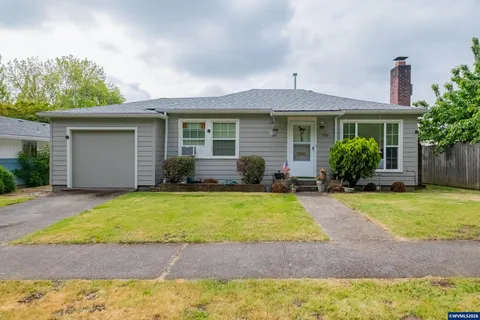
Selling a home in Albany, Oregon can bring a long list of decisions, especially when an older property needs attention. Between rainy-season moisture, aging roofs, worn siding, crawl-space concerns, and unfinished projects, it is easy to assume every issue must be corrected before putting a home on the market. Usually, that is not the most practical approach.
For owners who need a faster, as-is route, Northwest Real Estate Solutions presents itself as a real estate solutions and investment company that reviews Albany houses in many conditions, including properties with repair needs, inherited-home concerns, rental issues, and tight timelines. Its Albany service page describes cash-offer options for homeowners in Albany and surrounding Oregon and Washington communities, making it one option to compare alongside a conventional listing.
Why Repair Decisions Matter Before Selling
Repair spending affects both your timeline and your bottom line. A large project can delay photography, showings, and listing dates. It can also create surprises when contractors uncover additional problems. Before approving work, ask a simple question: will this repair prevent a serious objection, improve basic livability, or reasonably support a better sale outcome?
Albany is not one single housing market. Buyer expectations can differ between established central neighborhoods, North Albany, South Albany, and nearby communities. Home size, lot characteristics, age, condition, school access, traffic exposure, and proximity to parks or commercial areas can all influence how buyers view a property. Use recent closed sales of similar homes as a starting point, then adjust for the actual condition of your house.
Homeowners who want to understand additional selling paths can review www.northwestrealestatesolutions.com after considering their own goals, repair budget, and preferred closing date. A direct offer can be useful for comparison, but it should be evaluated with the same care as any other sale proposal.
Start With a Calm Home Condition Review
Before creating a renovation wish list, walk through the property room by room and write down what is actually present. Separate urgent defects from ordinary wear. This approach helps prevent emotional, open-ended spending.
- Roof age, missing materials, visible leaks, and ceiling stains
- Damp crawl spaces, drainage issues, mold concerns, or standing water
- Plumbing leaks, weak fixtures, and water-heater concerns
- Heating, cooling, electrical, and appliance functionality
- Windows, doors, railings, steps, siding, and exterior paint
- Flooring damage, clutter, odors, and general cleaning needs
- Unfinished work, permit questions, liens, or title issues
Repairs That Often Deserve Attention
Safety and function generally matter more than luxury. Buyers may accept dated finishes, but active leaks or visibly unsafe conditions can make them question the entire home.
- Stop active water intrusion. Address roof leaks, plumbing leaks, and drainage problems before they create additional damage during the listing period.
- Correct obvious safety hazards. Loose handrails, damaged steps, exposed wiring, and trip hazards deserve attention.
- Restore essential systems. A functioning heating system, plumbing, water heater, and electrical service can improve buyer confidence.
- Improve the first impression. Mowing, trimming, cleaning, decluttering, and removing abandoned items can make a meaningful difference without a major remodel.
Updates That May Not Pay Back
Not every improvement produces a matching increase in sale price. High-end kitchen remodels, luxury bathroom finishes, custom landscaping, and premium materials may not align with the home’s neighborhood or buyer pool. Replacing functional flooring simply because it is not your preferred style can have the same problem.
For a large project, obtain more than one written estimate and compare the cost against a realistic pricing conversation. Many buyers would rather purchase at an appropriate price and choose their own cosmetic updates after closing.
Estimate Net Proceeds Before Choosing a Selling Method
The highest offer is not automatically the best result. Create a basic estimate for each available path:
- Expected sale price or direct-offer amount
- Repair, cleaning, hauling, staging, and photography costs
- Agent compensation, if applicable
- Seller concessions, closing costs, and title-related charges
- Mortgage payoff, unpaid taxes, liens, and moving expenses
Estimated Net Proceeds = Sale Price minus Selling Costs minus Repair Costs minus Loan Payoff
How to Set a Practical Albany Asking Price
Focus on recent closed sales, not merely active listing prices. Compare homes with similar square footage, age, bedroom count, lot size, condition, and location. Price-per-square-foot figures can be useful, but they should not replace a full comparison because an older bungalow, newer subdivision home, condominium, and acreage property can attract very different buyers.
A comparative market analysis from a qualified local real estate professional can help identify where condition should affect pricing. If the home needs repairs, be direct about its condition and price it accordingly rather than trying to recover every dollar spent on past improvements.
Three Common Ways to Sell
Traditional Listing
A traditional listing may offer broad exposure to buyers. It can also involve showings, inspections, financing timelines, repair requests, and possible concessions. This route often suits sellers who have time to prepare the property and want to market it widely.
As-Is Sale
An as-is sale may reduce the need for extensive repairs, staging, or cleaning. It can be worth considering when a property has major maintenance needs, an owner is relocating, or an inherited or rental home needs a simpler transition. “As-is” does not remove the need to review contract terms, disclosures, title work, and the buyer’s ability to close.
Private Sale
A private sale can give an owner more control, but it also requires careful handling of disclosures, negotiations, contracts, inspections, escrow, and closing procedures. Legal, title, or escrow guidance can help reduce avoidable mistakes.
Questions to Ask Before Accepting a Cash Offer
- How was the offer amount calculated?
- Is the offer contingent on inspection, financing, or later approval?
- Who pays closing costs, and are there additional fees?
- What closing date is proposed, and can it be changed?
- Will a licensed title or escrow company handle the closing?
- What happens if the buyer does not close as promised?
A Simple Decision Checklist
- Set your preferred closing date and reason for selling.
- List known repairs and obtain realistic estimates.
- Confirm your mortgage payoff, taxes, liens, and title status.
- Review comparable Albany-area sales.
- Calculate estimated net proceeds for more than one option.
- Read every contract carefully before signing.
Conclusion
Selling a home in Albany does not require turning every room into a renovation project. Focus on active damage, safety, function, presentation, and a price that reflects the property honestly. By comparing repair costs, timing, contract terms, and estimated net proceeds, homeowners can choose a selling strategy that fits their finances and their next step.