Your home’s exterior is a connected system that manages rain, wind, sun, and changing temperatures. Whether you own a house or oversee a larger property that may eventually require commercial roof repair, routine observation helps you identify issues before they necessitate costly repairs. You do not need to inspect every surface in one afternoon. A brief seasonal walkaround, a few photos, and a written list of changes can make exterior maintenance more manageable while keeping water control and safety at the top of the priority list.
Why A Seasonal Plan Matters
Small exterior issues are easier to notice when inspections happen regularly. Wind can loosen materials, winter weather can expose weak seals, and leaves can block drainage paths. A seasonal routine breaks the job into shorter tasks and gives you time to schedule work before a minor concern becomes urgent. A spring home maintenance checklist can also help organize a post-winter review of the roof, gutters, siding, windows, and foundation area.
How Exterior Systems Work Together
The building envelope includes the roof, flashing, gutters, siding, windows, skylights, trim, and the drainage around the foundation. Each part should help shed water or keep it from reaching vulnerable materials behind the finish. The EPA’s guidance on moisture control in buildings identifies roofs, walls, foundations, and site drainage as connected areas for preventing moisture problems. For example, a clogged gutter can overflow onto the fascia and siding, while a damaged roof edge can allow water to enter concealed layers. The goal is not to replace every aging component. Instead, look for materials that are loose, damaged, unable to shed water, or showing evidence of recurring moisture.
Spring Inspection Checklist
Spring is a practical time to look for damage left by snow, ice, heavy rain, and wind. Start from the ground and work around the entire property in daylight.
Ground-Level Checks
- Look for missing, cracked, curled, or lifted shingles.
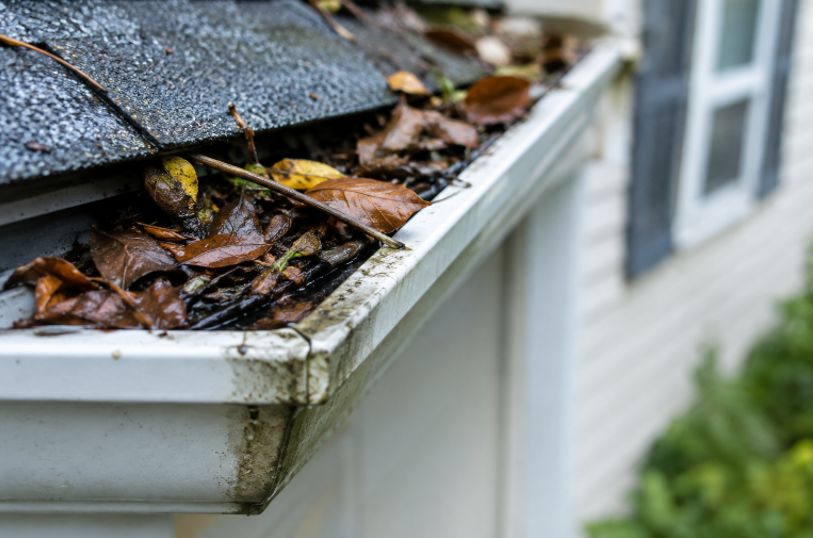
- Check gutters for sagging sections, loose fasteners, stains, and visible debris.
- Inspect siding for cracks, warping, loose panels, or dark moisture marks.
- Look for failed caulk around windows, doors, trim, and utility penetrations.
- Confirm downspouts are connected and direct water away from the foundation.
- Watch for pooling water, washed-out soil, or erosion near the house.
After a major storm, take clear photos from a safe location if you spot unusual damage. Do not climb onto the roof to investigate loose shingles, branches, or flashing.
Summer Maintenance Tasks
Drier weather often creates a useful window for cleaning, minor sealing, and scheduled repairs. Check attic spaces for damp insulation, musty odors, staining, or condensation, especially near roof penetrations and skylights. Indoors, peeling finish around a skylight or a ceiling stain can point to a problem worth investigating.
Windows, Siding, And Trim
- Clean windows with products appropriate for the glass and frame material.
- Inspect sills and trim for soft wood, staining, gaps, or deteriorated sealant.
- Wash siding carefully without directing water upward behind panels or laps.
- Trim branches that scrape the roof, gutters, or exterior walls.
Cleaning improves appearance, but it does not correct hidden water damage. Stains that return soon after cleaning deserve closer attention.
Fall Preparation Steps
Fall maintenance focuses on leaves, colder temperatures, wind, and winter precipitation. Clear leaves and debris from gutters and downspouts, then confirm water has a clear route away from the house. Check roof valleys from the ground or from a safe viewing point, and arrange help if debris cannot be removed safely.
Exterior Openings
- Test weatherstripping around windows and doors.
- Inspect caulk around frames, trim, vents, and utility lines.
- Look for damaged or blocked exterior vents.
- Check visible skylight edges and roof penetrations for gaps or staining.
See also: Common Mistakes Businesses Make When Setting Up a Labuan Entity
Winter Checks And Storm Watch
Winter maintenance is mostly observation and safe response. Watch for ice buildup, leaks after precipitation, fallen limbs, blocked drainage, and wind damage. Never climb onto a wet, icy, or snow-covered roof. Avoid ladders during high winds, and stay away from damaged areas near power lines.
Indoor Clues Of Exterior Problems
- Ceiling stains that appear after rain or snowmelt.
- New drafts around windows and doors.
- Peeling paint near exterior-facing walls.
- Musty odors in attics, crawl spaces, or upper rooms.
- Damp spots where the roof and walls meet.
Warning Signs That Need Attention
Some issues can wait for planned maintenance, while others require prompt action. Move quickly when you see active leaks, sagging rooflines, large areas of missing shingles, soft or rotting trim, gutters that overflow during ordinary rain, recurring moisture around windows or skylights, or water collecting beside the foundation.
What To Do Yourself And When To Call For Help
Many homeowners can take photos from the ground, check downspout connections, replace simple weatherstripping, and record changes after a storm. Tasks involving roof access, flashing, skylights, structural rot, concealed moisture, power lines, or tree removal near the home are better left to trained professionals with proper equipment.
How To Set Repair Priorities
- Handle Now: Active leaks, exposed openings, major drainage failures, electrical hazards, or loose materials that could fall.
- Schedule Soon: Damaged flashing, recurring gutter overflow, failed caulk, deteriorating trim, or siding that is separating.
- Plan: Faded finishes, cosmetic stains, aging windows, and appearance-focused upgrades.
A Simple Plan For The Year Ahead
Exterior maintenance does not need to become a second job. Protect water-shedding systems first, act quickly on safety concerns, and keep cosmetic projects in perspective. A seasonal walkaround, clear photos, and a simple repair list can help your home stay prepared for changing weather throughout the year.
Conclusion
Maintaining your home’s exterior is easier when inspections become a regular part of your seasonal routine. By checking the roof, gutters, siding, windows, and foundation drainage together, you can identify potential problems before they lead to leaks, moisture damage, or expensive repairs. Prioritizing water management, promptly addressing safety concerns, and documenting visible changes also help you make informed decisions about maintenance and improvements. While simple ground-level checks can reveal many warning signs, damaged roofing, structural concerns, and hard-to-reach areas often require professional attention. With a practical maintenance schedule and a focus on protecting the building envelope, homeowners and property managers can keep their properties better prepared for changing weather and long-term use.