First aid skills are fundamental capabilities that empower individuals to provide immediate assistance during a medical emergency. Whether at home, work, or out in public, having essential first aid knowledge can make a significant difference in outcomes. This guide focuses on the critical skills everyone should acquire, emphasising their importance and practical application.
Understanding how to manage medical emergencies is a vital component of personal and community safety. One indispensable device used in cardiac emergencies is defibrillators in Australia, which are key in restoring normal heart rhythm during sudden cardiac arrest. Knowledge of how to operate these devices effectively forms a crucial part of first aid training.
Recognising Emergencies
The first step in providing first aid is to accurately recognise an emergency situation. This includes identifying symptoms of common medical events, such as heart attacks, strokes, choking, or severe bleeding. Prompt recognition can hasten response times and improve patient outcomes.
Common signs to watch for include unconsciousness, difficulty breathing, persistent chest pain, sudden weakness, or severe bleeding. Being alert and proactive prevents escalation of injuries and complications.
Basic Life Support Techniques
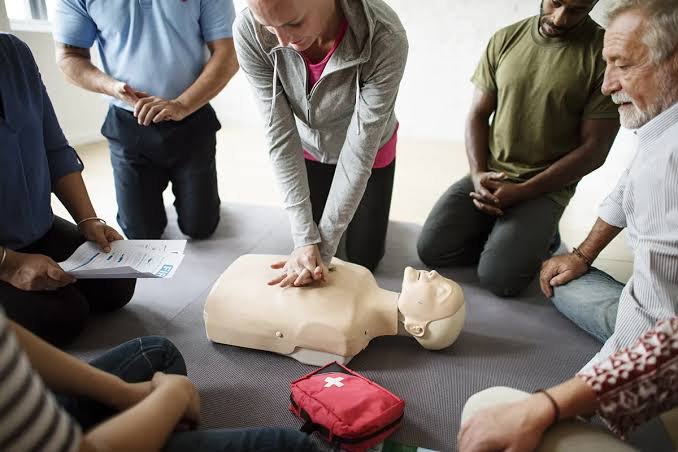
Basic life support (BLS) skills form the foundation of effective first aid. This includes cardiopulmonary resuscitation (CPR) and the appropriate use of an automated external defibrillator (AED). CPR involves chest compressions and rescue breaths designed to maintain vital blood flow and oxygenation until professional help arrives.
Learning correct hand placement, compression depth, and rate is essential for effective CPR. Additionally, knowledge of how to safely operate AEDs improves survival chances during cardiac arrest incidents.
Management of Airway Obstruction
Airway obstruction can quickly become life-threatening if not addressed promptly. First aid training covers techniques such as the Heimlich manoeuvre (abdominal thrusts) to dislodge foreign objects causing choking. Recognising signs of airway blockage—such as inability to speak or breathe, coughing, or loss of consciousness—is critical for timely intervention.
Bleeding Control
Managing bleeding is another crucial first aid skill. Severe bleeding requires immediate action to prevent shock and excessive blood loss. Techniques include applying direct pressure, elevation of the injured limb, and the use of pressure points.
First aiders should be familiar with different types of dressings and bandages suitable for various wounds and how to apply them effectively and hygienically.
Burn Treatment
Burn injuries vary in severity and require appropriate care to minimise pain, prevent infection, and promote healing. First aid for burns includes cooling the affected area with running water, covering the burn with a sterile dressing, and avoiding the application of creams or ointments unless advised by professionals.
Understanding the classification of burns (first, second, and third degree) guides the urgency and type of treatment needed.
Fracture and Sprain Stabilisation
Fractures and sprains are common injuries that necessitate immobilisation to reduce pain and prevent further damage. First aid involves assessing the injury, avoiding unnecessary movement, and applying splints or support bandages.
Handling these injuries calmly and correctly reduces complications before medical treatment is available.
Handling Medical Emergencies
Specific medical emergencies like heart attacks, strokes, seizures, or diabetic episodes require particular attention. First aid responders must be equipped to recognise symptoms and provide initial care tailored to each situation.
For example, during a heart attack, encouraging the person to rest and administering aspirin if appropriate can help while waiting for emergency services.
Preparing for Emergency Situations
Preparation is paramount when it comes to first aid. Maintaining a well-stocked first aid kit accessible at home, work, or vehicle is crucial. The kit should include items such as adhesive dressings, sterile gauze, gloves, scissors, antiseptics, and thermal blankets.
Regularly checking and replenishing the contents ensures readiness in case of emergencies.
Importance of Training and Certification
Formal first aid training and certification provide structured education on these essential skills under qualified instruction. Certification courses often cover theory and practical sessions, ensuring participants can confidently perform first aid techniques.
Priority First Aid offers comprehensive first aid programs tailored to various needs, ensuring individuals and organisations meet safety standards. Regular refresher courses are recommended to maintain proficiency.
Legal and Ethical Considerations
First aid providers must understand legal responsibilities and ethical considerations. Good Samaritan laws in Australia protect those who offer assistance in emergencies from legal liability, provided they act reasonably and within their training.
Respecting the patient’s consent and privacy is an essential part of ethical first aid practice.
Promoting First Aid Awareness
Widespread community awareness of first aid skills enhances overall public health and safety. Campaigns, workshops, and inclusion of first aid in educational curricula help build a more prepared society.
Employers also benefit from staff trained in first aid, improving workplace safety and compliance with occupational health regulations.
Using Technology in First Aid
Advances in technology have improved accessibility to first aid information and resources. Mobile applications provide step-by-step guidance, video demonstrations, and emergency contact features.
Integration of devices such as automated external defibrillators with connectivity options enhances emergency response capability.
Conclusion
Mastering essential first aid skills is a valuable investment for individuals and communities alike. These skills not only save lives but also promote confidence during critical situations. Acquiring knowledge and practical experience through accredited courses ensures that people are equipped to respond effectively, making a positive impact on public safety.
Engaging with certified providers such as Priority First Aid ensures access to high-quality training and resources, encompassing vital skills including the use of defibrillators in Australia and other lifesaving techniques.