Choosing the right roofing material is an important decision for any homeowner, particularly in coastal areas where changing weather conditions can affect the durability and performance of a roof. Along the Central Coast, roofs are regularly exposed to salt-laden air, strong winds, heavy rainfall, and prolonged sunlight. These environmental factors make it essential to select roofing materials that offer reliable protection, long-term performance, and suitable resistance to coastal conditions.
Metal roof installation in Central Coast properties has become a practical option for homeowners seeking a durable, low-maintenance, and visually appealing roofing solution. However, not all metal roofing materials offer the same benefits. Factors such as corrosion resistance, energy efficiency, structural requirements, appearance, and budget should all be considered before making a decision.
Understanding the available options can help homeowners choose a roofing material that suits their property and provides dependable protection for years to come.
Understanding the Challenges of Coastal Roofing
Coastal environments can place additional demands on residential roofing systems. Salt carried through the air may accelerate corrosion, especially when unsuitable metal products, coatings, or fasteners are used. Strong winds can place pressure on roofing sheets, while heavy rainfall makes effective drainage and weatherproofing essential.
Sun exposure is another important consideration. Extended periods of heat can affect indoor comfort and increase the demand for cooling, particularly when insulation and ventilation are inadequate.
For these reasons, selecting a roofing material for a Central Coast home involves more than comparing colours or prices. Homeowners should consider how well the material performs under local environmental conditions and whether it is suitable for the property’s design and location.
1. Steel Roofing: A Practical and Versatile Option
Steel roofing is a popular choice for residential properties because it offers a combination of strength, versatility, and relatively low maintenance requirements.
Depending on the product selected, steel roofing may feature protective metallic coatings and painted finishes designed to improve durability and resistance to corrosion.
For coastal homes, it is important to select steel roofing specifically suited to the property’s exposure level. Homes located close to the ocean may require more stringent corrosion protection than properties further inland.
Professional installers can help homeowners evaluate the appropriate steel grade, protective coating, fasteners, and accessories for the local environment.
Steel roofing is available in different profiles and colours, making it suitable for a wide range of architectural styles. Its relatively lightweight construction can also be advantageous, although the existing roof structure and proposed installation system must still be assessed.
2. Aluminium Roofing: Considering Corrosion Resistance
Aluminium roofing is another option worth considering for properties exposed to coastal conditions. One of its main advantages is its natural resistance to corrosion, which can make it suitable for environments where salt exposure is a concern.
Unlike steel, aluminium does not develop iron rust. However, this does not mean it is completely immune to corrosion or other forms of deterioration. Its performance still depends on the alloy, surface finish, installation quality, and surrounding environment.
Aluminium is generally lightweight, which may reduce the load placed on a building compared with some heavier roofing materials. Nevertheless, structural suitability, wind resistance, and fixing requirements must be evaluated for each property.
Homeowners should also consider the material’s appearance, availability, cost, and compatibility with other roofing components.
When comparing metal roofing options, aluminium may be particularly relevant for homes with significant coastal exposure, provided the selected product is designed for the intended application.
3. Protective Coatings and Finishes Matter
The base metal is only one part of a roofing system. Protective coatings and surface finishes can have a significant influence on durability, appearance, and maintenance requirements.
For example, coated steel products may use metallic coatings to help protect against corrosion, while painted finishes can provide an additional layer of protection and a range of colour choices.
When selecting roofing materials for Central Coast properties, homeowners should consider:
- Corrosion protection: Check whether the coating system is appropriate for the property’s distance from the coastline and expected salt exposure.
- Finish durability: Consider the product’s resistance to fading, weathering, and deterioration under prolonged sunlight.
- Maintenance requirements: Understand the recommended inspection, cleaning, and care procedures.
- Compatibility: Ensure that roofing sheets, fasteners, flashings, gutters, and other components are compatible to reduce the risk of premature corrosion.
- Warranty conditions: Review the coverage, exclusions, maintenance obligations, and environmental limitations associated with the selected product.
A suitable coating can improve a roofing material’s performance, but it cannot compensate for poor installation or incompatible components. Professional guidance helps ensure that all elements work together effectively.
4. Choosing a Roof Profile That Suits Your Home
Metal roofing is available in different profiles, each offering particular visual and functional characteristics. The right option depends on the home’s architectural style, roof pitch, drainage requirements, and exposure to local weather conditions.
Common metal roofing profiles include:
- Corrugated roofing: Recognised for its traditional wave-shaped appearance, corrugated metal roofing can suit both contemporary and older homes.
- Trapezoidal roofing: Featuring defined ridges and channels, this profile is commonly used for residential and other building applications.
- Standing seam roofing: Designed with raised seams between panels, this style can provide a clean, modern appearance and may conceal many of the primary fasteners, depending on the system.
Not every profile is suitable for every roof. Minimum roof pitches, drainage performance, fixing methods, and wind-load requirements vary between products.
Before selecting a profile, homeowners should confirm that it meets the technical requirements of the property and complies with applicable building standards.
5. Energy Efficiency and Thermal Comfort
The roofing material can influence how much heat enters a home, particularly during warmer months. Metal roofs with suitable reflective finishes can help reduce solar heat absorption, depending on their colour and surface properties.
However, energy efficiency is not determined by the roof’s outer surface alone. Insulation, ventilation, ceiling construction, roof orientation, and the overall design of the building all contribute to indoor temperatures.
For homeowners considering metal roof installation in Central Coast properties, it is worth evaluating the entire roof assembly rather than focusing exclusively on the roofing sheets.
Important considerations include:
- Reflective finishes: Select a colour and finish appropriate for the desired thermal performance and architectural style.
- Roof insulation: Ensure the insulation is suitable for the building and complies with applicable requirements.
- Ventilation: Provide appropriate ventilation to help manage heat and moisture where the roof design requires it.
- Condensation control: Consider suitable underlays and ventilation strategies to manage condensation within the roof space.
- Whole-home performance: Review windows, shading, ceiling insulation, and other factors that affect heating and cooling requirements.
A carefully designed roofing system can contribute to a more comfortable home and may help reduce energy consumption.
6. Durability, Maintenance, and Long-Term Value
The initial purchase price is an important consideration, but homeowners should also evaluate the expected service life and ongoing maintenance needs of different roofing materials.
A lower-cost option may not offer the best long-term value if it requires frequent repairs or is unsuitable for the property’s environmental exposure. Conversely, a more expensive product may not be necessary for every location or building.
When comparing roofing materials, consider the following factors:
- Expected service life under local conditions.
- Resistance to corrosion and weather-related deterioration.
- Initial material and installation costs.
- Future inspection and maintenance requirements.
- Availability of compatible replacement components.
- Warranty terms and applicable exclusions.
Metal roofing is often valued for its durability and relatively low maintenance needs, but performance varies by material, finish, installation quality, and environmental exposure.
Routine inspections are important even after a new roof has been installed. Removing accumulated debris, checking drainage, and addressing minor issues early can help preserve the condition of the roofing system.
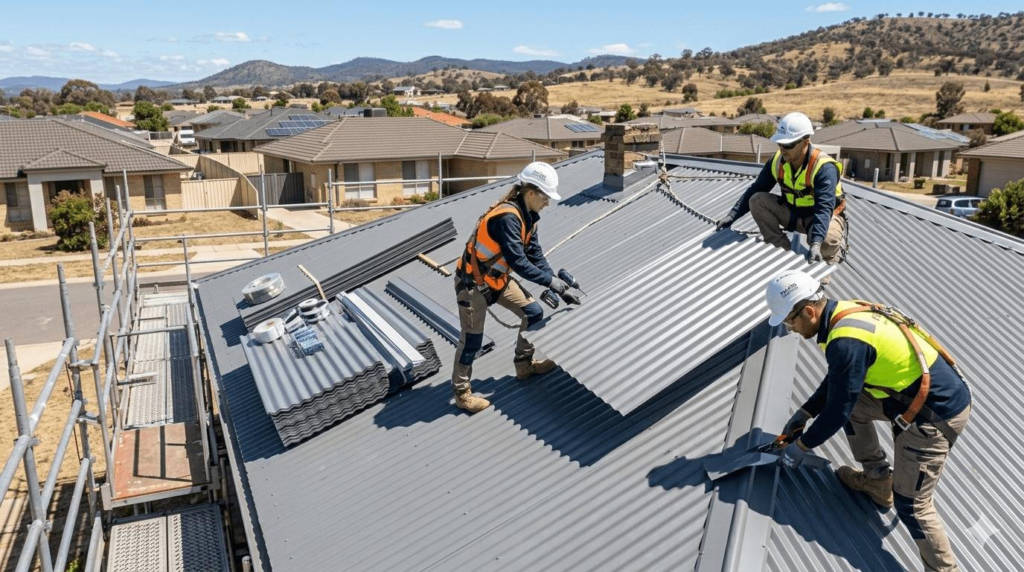
7. Why Professional Metal Roof Installation Matters
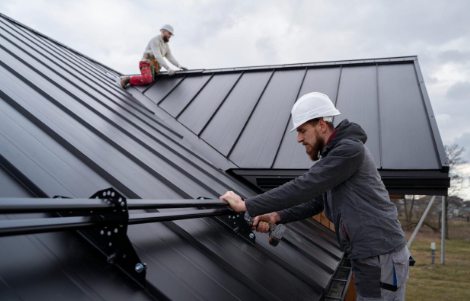
Selecting the right material is only the beginning. Correct installation is essential to ensure that the roof performs as intended and provides effective protection against coastal weather.
Professional installers assess the existing roof structure, determine appropriate fixing arrangements, and pay close attention to weatherproofing details. They can also identify issues that may need attention before the new roofing materials are fitted.
A typical installation project involves several stages:
- Initial assessment: Evaluating the roof’s dimensions, pitch, structural condition, and exposure to wind and salt.
- Material selection: Choosing a suitable metal, coating, profile, and compatible roofing accessories.
- Preparation: Removing existing materials where required and addressing problems with the roof structure or supporting components.
- Installation: Fitting the roofing sheets, flashings, fasteners, and associated components according to the specified system.
- Weatherproofing: Checking roof penetrations, valleys, ridges, and drainage details to help minimise water entry.
- Final inspection: Verifying installation quality and confirming that relevant building and safety requirements have been addressed.
Professional installation also helps reduce the likelihood of problems caused by incorrect fasteners, incompatible metals, inadequate fixing patterns, or poorly detailed roof junctions.
Homeowners should choose appropriately qualified and insured roofing professionals who can explain the proposed materials, installation process, and compliance requirements.
8. Matching Roofing Materials to Your Budget
Budget is an important factor when planning a roofing project, but the cheapest option is not necessarily the most economical over the roof’s lifetime.
The total cost of metal roofing depends on several factors, including the material, coating, roof size, complexity, access requirements, removal of existing materials, and any necessary structural repairs.
Steel may offer a practical balance between upfront cost and durability for many properties. Aluminium may be worth considering where corrosion resistance and coastal exposure are particularly important, although its cost and suitability depend on the specific product and project.
To compare quotes effectively, homeowners should check whether each proposal includes:
- Roofing sheets and protective finishes.
- Fasteners, flashings, and compatible accessories.
- Removal and disposal of existing roofing materials, if required.
- Repairs to damaged roof supports or battens.
- Underlays, insulation, or ventilation improvements where specified.
- Labour, safety measures, and waste management.
- Relevant warranties and installation documentation.
Comparing the complete scope of work helps homeowners understand the actual value of each proposal rather than making a decision based only on the initial quoted price.
9. How to Choose the Right Roofing Material for a Central Coast Home
Every property has different requirements, so the best roofing material will depend on its location, construction, budget, and intended appearance.
Before making a final decision, homeowners should consider the following questions:
- How close is the property to the ocean? Greater salt exposure may require more specialised corrosion protection.
- What weather conditions affect the home? Wind exposure, rainfall, and roof orientation can influence material and fixing requirements.
- What is the existing roof structure like? Structural condition and roof pitch can limit the available options.
- What appearance do you prefer? Roofing profiles and colours should complement the home’s architecture.
- How important is thermal performance? Reflective finishes, insulation, and ventilation should be considered together.
- What maintenance can you manage? Understand the inspection and cleaning requirements of the proposed system.
- Does the product meet local requirements? Confirm compliance with relevant building standards and any applicable planning restrictions.
A professional assessment can help answer these questions and identify a roofing solution that balances durability, performance, appearance, and cost.
See also: Top Reasons to Choose a Bus Charter for Your Next Group Trip
Conclusion
Choosing the right roofing material is essential for homeowners who want to protect their properties from the challenges of coastal weather. Salt exposure, strong winds, heavy rainfall, and prolonged sunlight all influence the performance of residential roofing systems along the Central Coast.
Metal roof installation in Central Coast homes can offer durability, design flexibility, and opportunities to improve thermal performance when the right materials and installation methods are selected. Steel and aluminium each provide different advantages, while protective coatings, compatible fasteners, appropriate roof profiles, and correct installation all contribute to long-term performance.
Ultimately, the right metal roofing system is one that suits the home, meets applicable building requirements, and provides dependable protection with manageable maintenance over time.