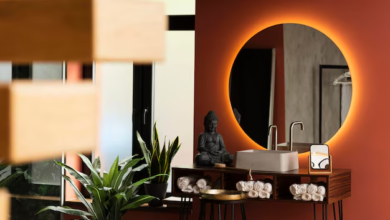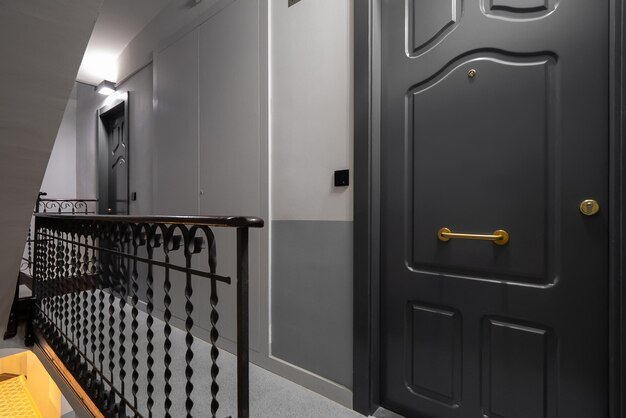
An interior door can change how a room looks, feels, and functions. For homeowners planning a renovation or updating an older property, a glendale interior steel door can bring a clean architectural look while providing the durability associated with steel construction. Native Doors offers interior door options that can suit different layouts, design preferences, and room requirements. The right choice, however, depends on more than appearance. Door style, glass, finish, dimensions, swing direction, and installation requirements all deserve attention before making a purchase.
Start With the Room and Its Purpose
Every interior doorway has a different job. A door separating a bedroom from a hallway needs different characteristics than one dividing a kitchen and living area. Begin by considering how the room is used and what you want the door to accomplish.
For bedrooms, offices, and other private spaces, a solid steel door or a design with limited glass may provide a greater sense of separation. Open-plan areas often benefit from steel-and-glass doors because they create visual boundaries without making adjoining rooms feel closed off.
Think about traffic, furniture placement, natural light, and privacy before selecting a style. A door that looks attractive in a photograph may not be practical if it interferes with furniture or restricts movement through a busy area.
Choose a Style That Fits Your Interior
Steel doors are available in designs ranging from simple and understated to strongly architectural. Your existing interior can help narrow the options.
Minimalist homes often pair well with slim frames, clear glass, and straightforward lines. Traditional interiors may work better with divided glass panels or darker finishes that complement wood floors and classic furnishings. Industrial-inspired spaces can accommodate bold frames and larger glass sections.
The goal is to make the door feel connected to the room rather than treating it as an isolated feature. Look at existing elements such as cabinet hardware, lighting fixtures, flooring, wall colors, and window frames. Matching every finish is not necessary, but the door should sit comfortably within the overall design.
Pay Attention to Glass Selection
Glass is one of the most noticeable parts of an interior steel door. It affects privacy, light, visibility, and the overall character of the room.
Clear glass allows maximum light to travel between spaces. It works particularly well between living rooms, dining areas, kitchens, and hallways where maintaining an open visual connection matters.
For bedrooms, bathrooms, offices, or other areas where privacy is needed, textured, frosted, or obscured glass can be more suitable. These options allow light through while limiting direct visibility.
Glass divisions also affect the appearance of the door. Large uninterrupted panels create a contemporary feel, while multiple smaller panes can give the doorway a more traditional or industrial character.
Consider how the glass will look at different times of day. Strong sunlight, interior lighting, and views into neighboring rooms can all change how transparent a door feels.
Get the Measurements Right
Accurate measurements are essential before ordering an interior steel door. The existing opening should be measured carefully rather than relying on the size of the current door.
Measure the width and height of the opening at multiple points. Check whether the walls and floor are level, and look for conditions that could affect installation. Existing trim, flooring, baseboards, and wall finishes may also influence the final fit.
The direction of the door swing deserves attention too. A door should open without hitting furniture, cabinets, another door, or a narrow passage. For areas with limited space, an alternative configuration may be more practical.
Professional measurement can be useful for renovation projects where openings are irregular or where the existing structure has shifted over time.
Consider Frame Thickness and Visual Weight
The frame is more than a structural component. Its proportions influence how the entire doorway appears.
Slim frames tend to produce a lighter appearance and allow more glass to dominate the design. Heavier frames create stronger visual definition and may suit interiors with substantial architectural details.
Look at the door from both sides of the opening. A design that works from the living room may appear different from a bedroom or hallway. Since interior doors are visible from multiple areas, the frame, handles, and glass should make sense throughout the adjoining spaces.
Proportion matters as well. A large doorway can support a more substantial frame, while a narrow opening may look crowded with excessive framing.
Select a Finish That Works With Your Home
The finish can determine whether the door blends into the interior or becomes a prominent architectural feature.
Black is a popular choice for steel doors because it creates a defined outline around glass and pairs with many interior palettes. Other finishes can provide a softer or more coordinated appearance depending on the surrounding materials.
Look beyond the walls when choosing a finish. Consider metal stair railings, cabinet pulls, faucets, light fixtures, window frames, and other hardware. Repeating a finish in several areas can create visual consistency without making the room look overly matched.
Samples are helpful because finishes can appear different under natural and artificial lighting. A color that looks subtle in a showroom may have a stronger presence in a brightly lit room.
See also: Common Mistakes Businesses Make When Setting Up a Labuan Entity
Think About Privacy and Sound
Interior steel doors can help establish separation between rooms, but the level of privacy depends heavily on the door construction and glass selection.
A home office may need more visual privacy during work hours. A bedroom may require a stronger sense of separation from shared living areas. For these spaces, consider opaque or privacy glass and a door configuration that limits direct views.
Sound control also deserves consideration. A steel-framed glass door should not be expected to perform like a solid wall, particularly when large glass panels are used. If reducing noise is a major priority, discuss suitable door construction and glazing options before ordering.
For living spaces where visual connection matters more than acoustic separation, glass doors can provide a practical compromise.
Review Hardware Before Ordering
Handles, hinges, locks, and other hardware contribute to both usability and appearance. A beautiful door can feel incomplete if the hardware does not suit its design.
Choose hardware that is comfortable to operate and appropriate for the room. Privacy hardware may be useful for bedrooms and bathrooms, while simpler passage hardware may work for spaces that do not require locking.
The finish should also coordinate with the door frame and nearby fixtures. Matte black, brushed metal, and other finishes can create noticeably different impressions.
Ask about hardware compatibility before finalizing the order, especially if you want a specific handle style or locking mechanism.
Check Installation Requirements
Steel interior doors require careful installation because alignment affects both operation and appearance. A door that is slightly out of level may not close correctly, and uneven gaps can become especially visible around glass panels.
Before installation, confirm the condition of the opening and understand any preparation work that may be necessary. Renovation projects sometimes require adjustments to drywall, flooring, trim, or framing.
Professional installation can also help protect the finish and ensure the hinges, frame, and door panel are properly aligned. Clarify installation responsibilities before placing an order so there are no surprises during the project.
Balance Design With Everyday Use
A good interior door should look right on installation day and remain practical through years of daily use. Consider how frequently the door will be opened, who will use it, and how much maintenance the surrounding area requires.
Glass may need regular cleaning in high-touch locations. Door handles should be comfortable for repeated use. In busy households, durability and easy operation may matter more than small decorative details.
Take time to compare the options based on your actual home rather than choosing solely from a catalog image. Room dimensions, lighting, furniture, privacy requirements, and existing finishes all influence the final result.
Final Thoughts
Choosing an interior steel door is a design decision as much as a functional one. Start with the room, determine the level of privacy and light you need, measure the opening carefully, and then compare frame styles, glass options, finishes, and hardware. A thoughtful selection can give adjoining spaces a stronger visual connection while maintaining useful separation.
For homeowners considering a steel-and-glass interior door, Native Doors can be a starting point for reviewing styles and configurations suited to different interiors. Before finalizing your selection, discuss measurements, installation details, glass choices, and hardware requirements with the door provider. Contact us today to discuss your project and find an option that fits both your home and your everyday needs.