A well-chosen mirror can change the character of a room without requiring a major renovation. Custom framed wall mirrors offer even more flexibility because the frame, size, shape, and finish can be selected to suit a particular space. From a polished bathroom to a welcoming entryway, the right mirror can add depth, reflect natural light, and complement existing furniture. Luxurious Glass offers options that can be adapted to different interior styles, making it easier to create a finished look that feels intentional.
Give the Living Room a Strong Focal Point
Living rooms often have large sections of open wall that can benefit from a carefully positioned mirror. A wide rectangular mirror above a console table can create a balanced arrangement, particularly when the furniture has clean, simple lines. A substantial frame in wood, brushed metal, or another decorative finish can make the mirror feel like part of the room’s architecture rather than an afterthought.
For smaller living rooms, consider placing a mirror opposite a window. The reflected daylight can make the room feel brighter during the day, while the reflection of outdoor greenery can add visual interest. An oversized mirror can also make a compact room appear more spacious, although the proportions should remain appropriate for the wall and surrounding furniture.
Add Character to the Bedroom
A bedroom mirror can serve both decorative and practical purposes. A tall framed mirror placed near a wardrobe or dressing area provides a convenient full-length reflection while filling an otherwise unused wall. Leaning a large mirror against the wall can create a relaxed appearance, while a securely mounted piece gives the room a more structured feel.
The frame finish can also reinforce the bedroom’s existing style. A natural wood frame works well with warm, relaxed interiors, while a slim metallic frame can complement contemporary furniture. For a softer appearance, rounded or arched mirror shapes can introduce curves into a room dominated by straight lines.
Make the Bathroom Feel More Refined
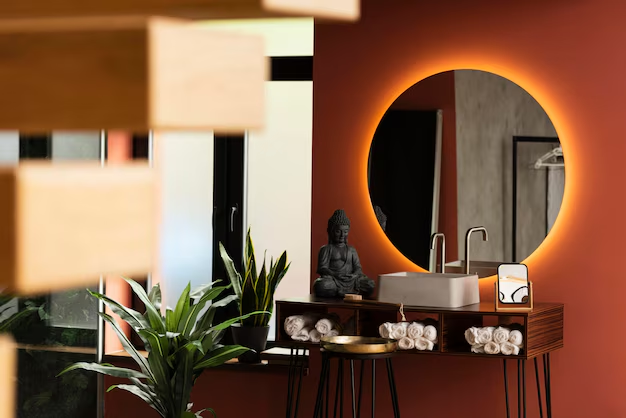
Bathroom mirrors receive plenty of attention because they sit above one of the room’s main functional areas. A custom-sized framed mirror can be designed to fit precisely above a single vanity or extend across a wider double vanity.
Frame selection deserves careful consideration in a bathroom because moisture and regular exposure to humidity can affect certain materials. Finishes designed for bathroom environments are generally a practical choice. The mirror’s proportions should also relate to the vanity. A very narrow mirror above a wide vanity may leave the wall feeling unbalanced, while an oversized design can dominate the space.
For a traditional bathroom, decorative framing can add architectural detail. Contemporary bathrooms often benefit from simple frames with narrow profiles. An arched mirror can also soften a bathroom filled with angular cabinets and fixtures.
Create a Welcoming Entryway
The entryway sets the visual tone for the rest of a home, and a mirror can make this area feel more complete. A framed mirror above a console table creates a natural focal point while providing a convenient place to check your appearance before leaving.
Round and oval mirrors work particularly well in entryways because their curved shapes contrast with rectangular doors, consoles, and wall panels. A rectangular mirror can create a more formal appearance, especially when paired with symmetrical lighting or decorative objects.
A mirror also helps narrow entryways feel less enclosed. Positioning it where it can reflect light from a nearby room or window can add brightness without taking up valuable floor space.
Bring Style to the Dining Area
Dining rooms offer an opportunity to use mirrors as decorative features rather than purely functional pieces. A large framed mirror placed on one wall can reflect lighting, furniture, and decorative details, adding another layer to the room.
For a classic dining room, consider an ornate frame that complements the table and chairs. A simple black or metallic frame can suit a modern dining area. Multiple smaller mirrors arranged as a gallery can create an artistic effect, provided their frames share a visual connection.
Placement matters here. Avoid positioning a mirror where it creates an uncomfortable reflection for people seated at the table. Instead, use it to reflect a chandelier, artwork, or another attractive part of the room.
Brighten a Home Office
Home offices can sometimes feel functional rather than inviting. A framed mirror provides a simple decorative addition without occupying desk space. Placing one beside a window can help distribute daylight across the room, particularly in an office with limited natural illumination.
A rectangular mirror with a slim frame works well above a cabinet or credenza. For a more decorative workspace, a round or geometric design can break up rows of shelves and storage units.
Frame color can be coordinated with the desk, shelving, or hardware. Matching every element is unnecessary, but repeating one finish in several parts of the room can make the overall design feel connected.
Use Mirrors in Hallways and Staircases
Long hallways can benefit from mirrors because they provide visual variation along otherwise plain walls. Instead of using one oversized piece, several smaller framed mirrors can be arranged at regular intervals. Different shapes can also be combined if the frames share a similar finish.
Staircase walls offer another opportunity for custom mirror designs. An arrangement of mirrors can follow the slope of the stairs, creating a gallery-style display. Because these areas can have unusual dimensions, custom sizing makes it easier to create a layout that fits the available wall rather than forcing standard mirror sizes into the space.
Careful installation is particularly important around staircases and narrow passageways. The mirror should be securely mounted and positioned where it will not interfere with normal movement.
Pick a Frame That Supports the Room
The frame has as much influence on the final appearance as the mirror itself. Wood introduces warmth and texture, while metal can create a cleaner, more contemporary appearance. Dark frames can provide contrast against pale walls, whereas lighter finishes can blend more subtly with neutral interiors.
The thickness of the frame also affects the visual weight of the piece. A substantial frame can anchor a large wall, while a thin frame keeps the mirror understated. Decorative profiles can work particularly well in traditional or transitional interiors.
Rather than selecting a frame in isolation, compare it with the room’s existing finishes. Look at cabinet hardware, furniture legs, lighting fixtures, doors, and other visible details. A frame that relates to those elements can make the mirror feel naturally integrated into the space.
Consider Shape, Size, and Placement Together
A mirror’s shape should respond to the furniture and architecture around it. Rectangular mirrors suit long vanities, consoles, and wide walls. Round mirrors introduce softer lines, while arches add a more distinctive architectural quality.
Size should be measured carefully before ordering. Consider the width of the furniture below the mirror, the available wall space, nearby doors or windows, and the height at which the mirror will be viewed. Templates made from paper or cardboard can help visualize the dimensions before installation.
Placement also affects what the mirror reflects. A beautiful view, light fixture, artwork, or plant can become part of the reflected composition. A mirror facing a cluttered storage area may produce the opposite effect.
Make the Mirror Part of the Interior Design
Custom framing gives homeowners more control over how a mirror interacts with the rest of the room. Instead of treating it as a separate accessory, consider its relationship with lighting, furniture, wall color, and architectural details.
A large mirror can anchor a minimalist room. Several smaller mirrors can create a collected look in an eclectic interior. A decorative frame can add detail to a simple room, while an understated frame can keep attention on existing artwork or furniture.
The most successful arrangements usually come from considering the entire wall rather than the mirror alone. Balance, proportion, reflection, and surrounding details all influence how the finished installation feels.
A Mirror Designed for Your Space
Custom framing makes it possible to work around unusual wall dimensions, specific furniture arrangements, and individual decorating preferences. It also allows the mirror to become a deliberate part of the room’s design rather than simply filling an empty section of wall.
From living rooms and bedrooms to bathrooms, hallways, dining areas, and offices, framed mirrors can serve different purposes while maintaining a consistent design language throughout the home. Before choosing a final piece, measure the space, consider what the mirror will reflect, and select a frame that works with the finishes already present.
For homeowners planning a new mirror installation or replacing an existing piece, contact us today to discuss suitable options for your space. A carefully selected custom mirror can provide the finishing detail that brings the surrounding design together, while the right proportions and frame keep the result practical as well as attractive.