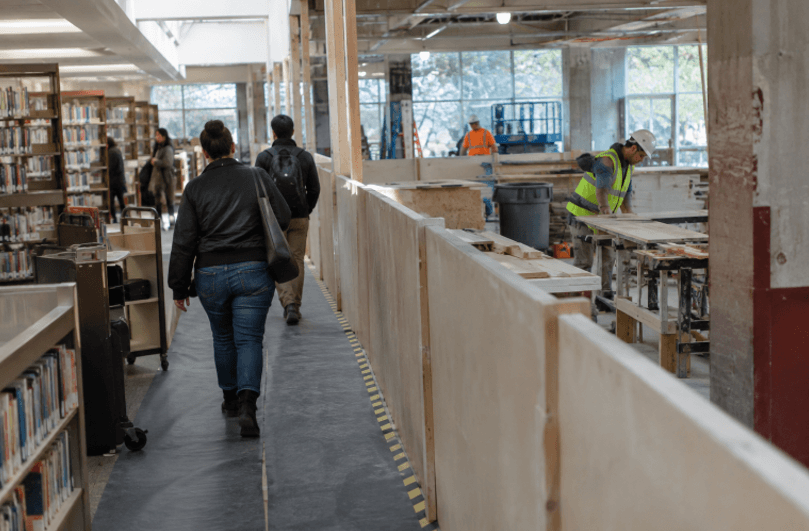
Southern California agencies often need to improve schools, libraries, transit facilities, public counters, parks, utility sites, and civic buildings without interrupting the services residents rely on each day. Working with an experienced public works contractor in Southern California can help agencies coordinate active-site construction around public access, busy traffic patterns, warm weather, community events, and essential operations.
For an occupied facility, a successful project is not measured only by the finished structure. It is also measured by whether people could safely enter the site, receive services, reach staff, and use critical systems while construction was underway. Service continuity must be part of the project scope, not a last-minute response to disruption.
1. Why Open-Facility Construction Requires a Different Plan
An empty jobsite gives crews room to work, stage materials, close corridors, and adjust schedules. An active public facility does not. A library may need quiet study areas, a city hall may need accessible service counters, and a transit site may need pedestrian routes open throughout the day. In Southern California, agencies must also account for heat, limited parking, nearby neighborhoods, and high-demand seasonal periods.
2. Start With a Service Continuity Review
Before design is finalized or bids are requested, identify what cannot be stopped. This may include emergency access, public-facing counters, classrooms, network rooms, elevators, water service, security systems, cooling equipment, or fleet routes.
Questions to Answer Early
- Which services and operating hours are essential?
- Which rooms can move to a temporary location?
- Which systems cannot lose power, water, cooling, or network access?
- Which public events, elections, school dates, or seasonal demands affect the schedule?
- Who can approve urgent operational changes?
A practical continuity plan also identifies alternate locations and decision authority before a disruption occurs. The approach outlined in FEMA continuity of operations planning offers a useful model for keeping mission-critical functions available when normal operations are affected.
3. Build a Phased Construction Schedule
Phasing divides a large project into manageable work zones. Each phase should state what area is affected, which entrances remain open, what services are temporarily moved, and how occupants will travel through the property. A longer schedule may be preferable when it protects public access and reduces the chance of unplanned shutdowns.
- Schedule demolition or other high-noise tasks for evenings or weekends when feasible.
- Use modular rooms or temporary service counters when permanent spaces are unavailable.
- Plan short, approved windows for utility tie-ins.
- Pause before each new phase to confirm that routes, signs, barriers, and temporary systems are ready.
4. Separate People, Work Areas, and Equipment
Physical separation is central to active-site safety. Solid barriers, controlled gates, protected walkways, secure storage, lighting, and visible signs keep visitors away from construction activity while giving crews room to work efficiently.
- Keep public paths clear and easy to follow.
- Separate delivery vehicles from pedestrians whenever possible.
- Seal and stabilize temporary walls.
- Maintain clear routes for fire, medical, and law enforcement response.
5. Protect Safety, Security, and Indoor Air Quality
Occupied renovations can create dust, fumes, vibration, debris, temporary wiring, and changing exit conditions. The project team should establish housekeeping expectations, inspect barriers daily, and use appropriate dust-control and ventilation measures for the work being performed. Plans should also account for children, older adults, visitors with disabilities, and others who may need more time or assistance when routes change.
6. Plan for Noise, Traffic, and Utility Interruptions
Even a short outage can affect communications, access control, elevators, refrigeration, payment systems, and public service. Prepare a utility shutdown calendar, department notification process, backup options, alternate routes, and restart checklist before any planned interruption. Utility work can sometimes continue through carefully designed bypass arrangements, as shown by temporary service bypass planning used during major wastewater rehabilitation work.
7. Keep Staff, Visitors, and Neighbors Informed
Communication should begin before fencing, deliveries, or closures become visible. Provide weekly staff updates, entrance and parking signs, plain-language detour notices, and one reliable contact for questions. When the schedule changes, explain what changed, who is affected, and when the next update will be provided. Clear information helps residents plan around inconvenience and helps staff respond consistently.
See also: How Businesses Can Scale Content Production Without Sacrificing Quality
8. Use Technology to Track Risks and Progress
Digital schedules, issue logs, photo records, sensors, and building models can help teams recognize problems early. They work best when paired with regular field walks and feedback from facility users. Track open work areas, safety observations, noise or air-quality readings when used, unplanned interruptions, public complaints, response times, and schedule changes by phase.
9. Set Clear Triggers for Temporary Relocation
Keeping a facility open is not always the safest choice. The project plan should define conditions that require a classroom, department, counter, or entire operation to move temporarily. Triggers may include loss of a required exit, unsafe conditions, failure of a critical utility, unacceptable interference with sensitive operations, severe weather, or work that cannot be safely separated from the public.
10. Measure Results After the Project
At closeout, compare the original continuity plan with actual results. Review which phases caused the most disruption, whether notices reached people in time, whether temporary routes were understandable, how backup systems performed, and which changes should become standard requirements for future projects.
Conclusion
Southern California public facilities can often remain open during construction when daily service is treated as a core project requirement. Careful phasing, protected access, reliable temporary systems, honest communication, and clear relocation rules give agencies a practical way to improve public assets without leaving residents behind.