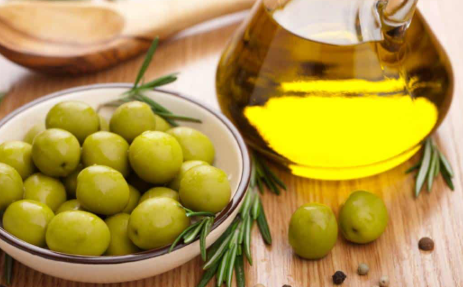
Choosing the right olive oil is essential for those who value both flavour and nutrition in their cooking. With an abundance of options on the market, knowing how to select premium olive oil can elevate everyday meals while providing substantial health benefits. This guide aims to offer insight into the characteristics of high-quality olive oil and practical tips to make informed decisions.
For those seeking exceptional olive oil, The Good Oil Club provides a selection of carefully curated products that embody quality and authenticity.
Understanding Olive Oil Grades
Olive oil is classified into several grades, each defined by production methods and chemical composition. The highest quality is extra virgin olive oil, which is obtained from the first pressing of olives without the use of heat or chemicals. This ensures maximum retention of natural antioxidants, vitamins, and distinctive flavour profiles. Virgin olive oil is also produced without chemical treatment but has a slightly higher acidity level.
Refined olive oils undergo industrial processing to neutralise strong tastes or correct defects but generally lack the rich flavour and beneficial compounds found in extra virgin varieties. Hence, for everyday cooking that values taste and health, extra virgin olive oil remains the preferred choice.
Key Factors to Identify High-Quality Olive Oil
Harvest Date
The freshness of olive oil significantly impacts its flavour and nutritional value. Knowing the harvest date on the label helps consumers choose recent production, as olive oil tends to degrade over time. Oils harvested within the previous year are ideal.
Origin and Variety
The geographical origin of the olives influences the complexity and characteristics of the oil. Specific olive cultivars produce distinct taste profiles ranging from fruity and peppery to mild and buttery. Understanding these differences assists in selecting an oil that complements particular cooking styles.
Packaging
High-quality olive oil is typically stored in dark glass bottles or tins to protect it from light exposure, which can degrade its quality. Avoid oils sold in transparent plastic bottles, as they are more susceptible to oxidation and spoilage.
Certification and Labelling
Look for certification marks or labels indicating quality standards, such as PDO (Protected Designation of Origin) or COOC (California Olive Oil Council) certification. These assure adherence to stringent production practices.
Tasting Olive Oil
Tasting olive oil can help determine its quality and suitability for cooking preferences. High-quality extra virgin olive oil usually presents a balance of fruitiness, bitterness, and pungency. When tasting, look for fresh, vibrant flavours without rancidity or mustiness.
Storage Guidelines
Maintaining olive oil quality after purchase is vital. Store olive oil in a cool, dark place with the cap tightly sealed to prevent oxidation. Avoid storing it near heat sources such as stoves or ovens.
Benefits of Using Premium Olive Oil in Everyday Cooking
Premium olive oil provides numerous benefits beyond taste enhancement. It contains antioxidants and healthy monounsaturated fats that contribute to cardiovascular health and reduced inflammation. Using high-quality olive oil in daily cooking supports a well-rounded, nutritious diet.
To conveniently buy high-quality olive oil online, consumers can turn to trusted providers like The Good Oil Club, which prioritises quality, sustainability, and authenticity.
Common Myths About Olive Oil Quality
Several misconceptions surround olive oil purchasing. For instance, the term “cold pressed” is often misunderstood; most extra virgin olive oils are obtained through cold extraction as a standard. Additionally, pricier oils are not always superior, so it is critical to assess other quality markers such as acidity and freshness.
Conclusion
Selecting high-quality olive oil requires attention to detail, understanding of classifications, and awareness of production standards. By prioritising freshness, origin, certifications, and packaging, consumers can enjoy the full flavour and health advantages of premium olive oil in everyday cooking.
Utilising reputable sources like The Good Oil Club ensures access to oils that meet rigorous standards, making the choice straightforward and reliable.
In summary, investing time in choosing the right olive oil enriches culinary experiences and supports healthier lifestyles.