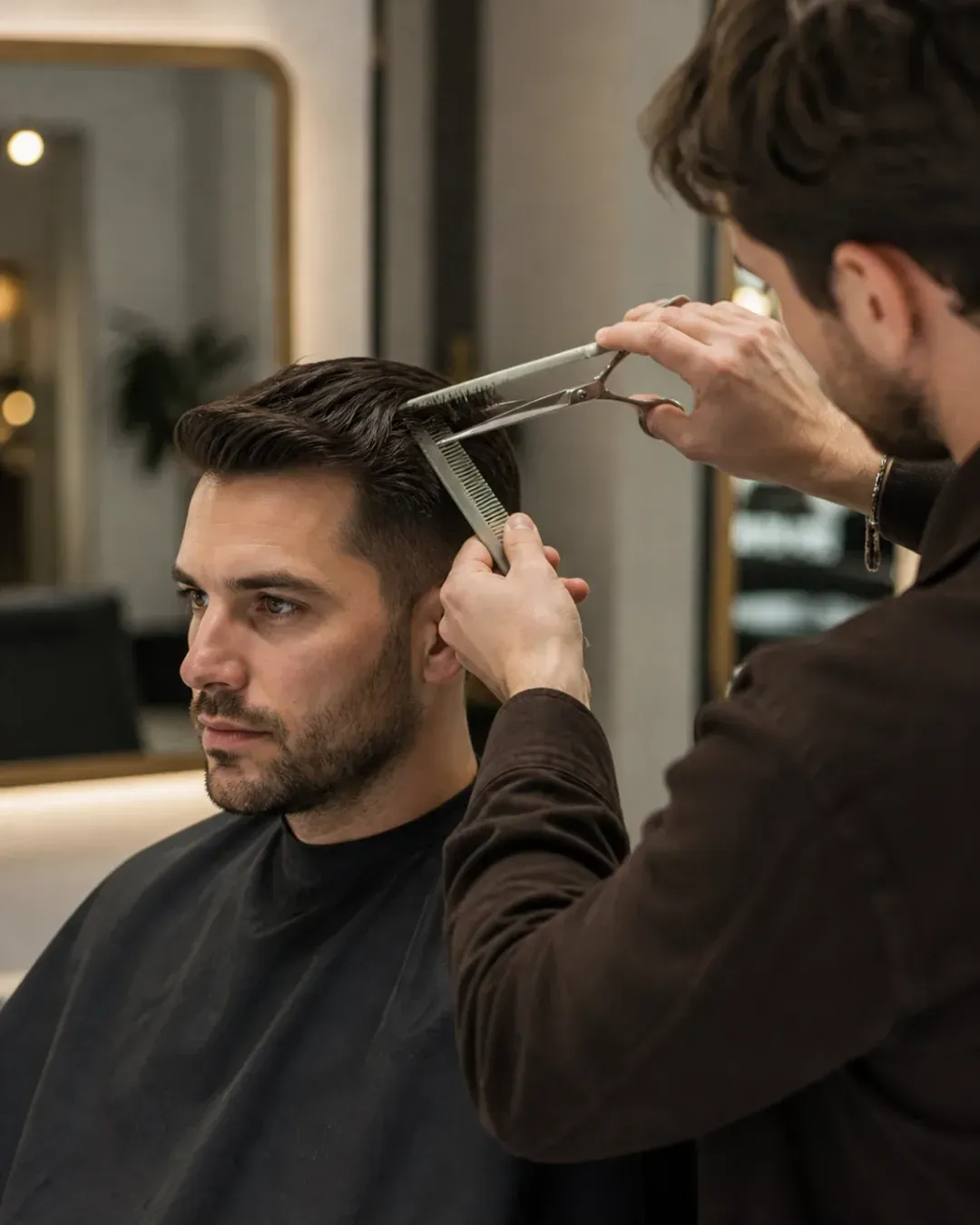
Men’s haircuts can look simple, but choosing the right style still involves several practical decisions. Hair texture, growth pattern, face shape, work routine and the amount of daily styling someone is willing to do can all affect whether a haircut feels easy to live with.
A good haircut should suit the person outside the salon as well as it does immediately after styling. That means the consultation matters just as much as the final cutting technique.
Start With the Shape You Can Maintain
Someone searching for a men’s haircut ampang may already have a preferred style, but it helps to think about how often that look will need maintenance.
A very short fade can lose its sharp appearance quickly as the hair grows. A slightly longer cut may be easier to maintain between appointments, depending on the texture and shape.
The right choice depends on whether the customer prefers frequent trims or wants a style that remains presentable for longer.
See also: ADHD Therapy in Toronto: Practical Support for Focus, Emotions, and Daily Life
Hair Growth Patterns Matter
Cowlicks, strong growth directions and uneven density can affect how a haircut sits. A style that works well on one person may behave very differently on someone whose hair grows forward, outward or in several directions around the crown. The stylist should be able to work with those natural patterns rather than ignoring them.
This is especially important for shorter cuts, where growth direction becomes more visible and can influence how much daily styling is needed.
A Barber-Style Cut Can Still Be Personal
People searching for a barber ampang may be looking for a clean, structured haircut, but that does not mean every customer should receive the same shape. Some men prefer a skin fade, while others want a softer taper, longer sides or a more classic cut.
The consultation should cover the preferred length, neckline, sideburns and how much contrast the customer wants between the sides and the top. Small details like these can make the difference between a cut that feels generic and one that suits the individual.
Think About Daily Styling
A haircut that requires several products and tools may not suit someone who wants to get ready quickly. If the customer usually uses only a small amount of product, the cut should be able to hold its shape without complicated styling.
On the other hand, someone who enjoys using a dryer, wax or pomade may be comfortable with a more structured look. Being honest about daily habits helps the stylist recommend a shape that works in real life rather than only in the salon chair.
Texture Changes the Final Look
Straight, wavy, curly and coarse hair can all respond differently to the same haircut. A style with heavy texture may look fuller on thick hair but may not create the same effect on finer hair. Curly hair also changes visually when it dries, which means the final length needs to account for natural shrinkage.
The haircut should therefore be adapted to the hair rather than copied exactly from a photograph.
Reference Photos Still Help
Men’s haircut terminology can vary from person to person. One customer may ask for a taper when they actually want a fade, while another may describe a medium cut differently from the stylist.
Reference photos can make the conversation clearer. Images showing the sides, back and top are particularly useful because they give the stylist a better idea of the overall shape.
The photo is still only a guide. The final result should be adjusted to the customer’s hair texture, growth pattern and preferred maintenance level.
Work and Dress Code Can Influence the Choice
A haircut should also fit the environments the customer spends time in. Someone working in a formal setting may prefer a cleaner, more conservative shape, while another person may be comfortable with a bolder fade or longer textured top.
The right style is not only about fashion. It should also feel appropriate for the customer’s routine, workplace and personal style.
Decide How Often You Want to Return
Some cuts need regular maintenance to keep their shape. Short fades and very precise outlines usually show regrowth quickly, while softer or longer styles can often go longer between appointments. Customers who prefer fewer salon visits should mention that during the consultation.
This allows the stylist to suggest a shape that grows out more naturally and remains manageable between trims.
Conclusion
A men’s haircut should be chosen around the person’s hair, routine and maintenance preferences rather than only around a popular style.Growth patterns, texture, styling habits and how often the customer wants to return all influence whether a haircut remains practical.
Reference photos can help explain the goal, but the final shape should be adapted to the individual. A well-planned haircut should look good when professionally styled and still be easy to manage during everyday life.