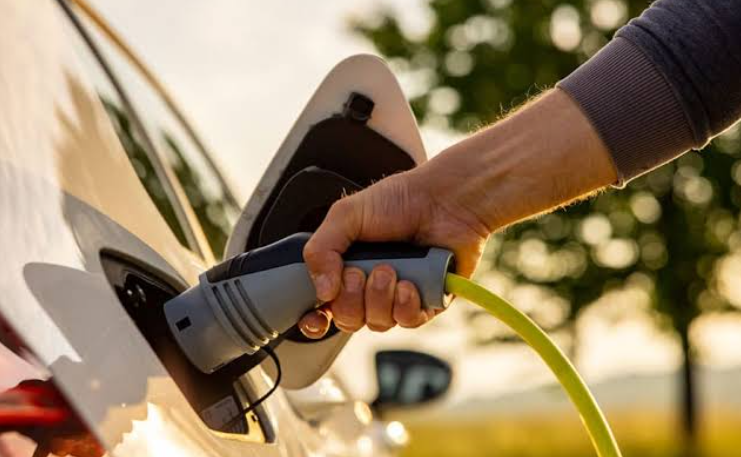
Installing a charger at home sounds straightforward until electrical capacity, parking arrangements, wiring routes, and future requirements enter the conversation. Small planning mistakes made at the beginning can create recurring inconvenience later. For homeowners researching ev charger installation near me, knowing what to avoid can be just as useful as knowing what to install.
A reliable charging setup should complement your driving routine and work safely with your home’s electrical infrastructure. Avoiding the following mistakes can lead to a more practical result.
Mistake 1: Choosing the Location Too Quickly
Homeowners sometimes select a charger location because it appears easiest for installation. However, the closest wall or electrical route may not provide the best everyday experience.
Before arranging ev charger installation near me, consider exactly where the vehicle is normally parked.
Think About Everyday Cable Reach
A cable that barely reaches the vehicle can become frustrating. Likewise, a cable regularly stretched across a walkway may interfere with normal movement.
A local home charging installation expert can assess the parking area and help identify a location that balances electrical requirements with practical access.
Mistake 2: Assuming the Panel Has Enough Capacity
Seeing an unused position in an electrical panel does not automatically confirm that sufficient electrical capacity exists.
Vehicle charging adds demand that should be evaluated alongside other household loads.
Look at the Whole Home
Heating, cooling, cooking equipment, laundry appliances, and other electrical systems can contribute significantly to overall demand.
A professional ev charger installation near me assessment considers these loads before determining how the charging circuit should be added.
This step can identify limitations early rather than discovering them after installation work has started.
Mistake 3: Ignoring the Wiring Route
The distance from the electrical panel to the charger affects installation planning. Walls, ceilings, finished rooms, garages, outdoor areas, and other structural features can influence how wiring reaches the charging location.
Plan Before Opening Finished Areas
Discuss possible wiring routes during the initial assessment. Thoughtful routing may reduce unnecessary disruption and produce a cleaner finished installation.
A complete ev charger installation near me plan should address this detail before electrical work proceeds.
Mistake 4: Focusing Only on the Current Vehicle
Electric vehicle technology and household transportation needs can change. A charging setup planned exclusively around today’s vehicle may become less convenient if another EV is purchased later.
Consider a Second Electric Vehicle
You do not necessarily need infrastructure for multiple vehicles immediately. However, discussing potential future demand can influence decisions about panel capacity and charger placement.
When planning ev charger installation near me, a small amount of foresight can preserve valuable flexibility.
Mistake 5: Treating Installation as a Simple Connection
EV charging is an electrical project. It requires appropriate circuit protection, wiring, grounding, connections, and installation practices.
The equipment itself may attract most of the attention, but the electrical infrastructure behind it is equally important.
Avoid Electrical Shortcuts
Improvised arrangements can create reliability or safety concerns. The charging circuit should be designed to support the intended electrical demand.
Professional ev charger installation near me helps ensure technical requirements receive appropriate attention.
Mistake 6: Forgetting About Outdoor Conditions
A garage is not available for every vehicle. If the charging equipment will be outdoors, environmental exposure becomes part of the planning process.
Equipment location and installation methods should be suitable for the conditions in which the charger will operate.
Consider Every Season
Think about how easy the charger will be to access during rain, snow, heat, or other changing conditions. Placement that seems convenient on a pleasant day may feel very different during challenging weather.
Discussing year-round accessibility during an ev charger installation near me consultation can improve long-term usability.
Mistake 7: Failing to Discuss Daily Driving
An installer can plan more effectively when they understand how the vehicle is used. Daily mileage, arrival time, parking duration, and charging frequency provide useful context.
Homeowners should communicate these details instead of assuming every charging installation follows the same pattern.
Design Around Real Habits
A charging setup should support your lifestyle rather than forcing you to change it unnecessarily. Convenient home charging works best when plugging in becomes an easy part of arriving home.
That practical perspective should guide ev charger installation near me planning from the beginning.
Mistake 8: Overlooking Applicable Requirements
Electrical installations may be subject to codes, permits, or inspections depending on the location and scope of work.
These requirements should be considered during project planning.
Qualified electrical work helps ensure that compliance is addressed alongside performance and convenience.
Conclusion
The quality of a home charging setup often depends on decisions made before installation starts. Choosing the wrong location, overlooking electrical capacity, ignoring future needs, or taking shortcuts with circuit planning can create avoidable problems.
Professional ev charger installation near me can help homeowners approach the project systematically. By evaluating the electrical system, parking location, wiring route, everyday charging habits, and possible future needs, homeowners can create a safer and more convenient foundation for electric vehicle charging.