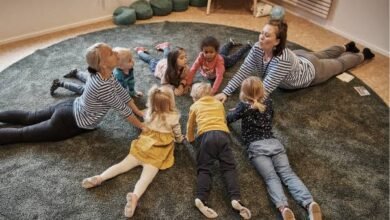
School holidays provide children with a welcome break from their regular routine. Yet after the initial excitement, families often begin looking for engaging ways to keep children active and interested. A thoughtfully planned summer camp can transform holiday time into a period of creativity, friendship, movement, and discovery.
For young children, the experience should remain playful. Summer is an opportunity to explore interests without turning the holidays into another academic timetable.
Holidays Can Still Encourage Learning
Learning does not stop when regular classes finish.
Children learn when they build something, invent a story, investigate an object, solve a puzzle, participate in a game, or negotiate with friends.
A summer camp can provide these experiences while maintaining a relaxed holiday atmosphere.
Curiosity Should Lead the Experience
Children often learn enthusiastically when an activity begins with something interesting.
An unusual material, creative challenge, story, simple experiment, or outdoor observation can inspire questions.
Rather than immediately giving children answers, summer camp educators can encourage them to investigate possibilities.
Creative Activities Give Children Freedom
Art is particularly suitable for holiday programmes because it combines experimentation with self-expression.
Children can explore drawing, painting, craft, construction, modelling, and mixed materials.
A summer camp should allow room for originality instead of expecting every child to create exactly the same result.
Movement Makes Holidays More Energetic
Children need physical activity throughout the year.
Dance, obstacle challenges, coordination games, movement activities, and outdoor play can add energy to a summer camp programme.
Families exploring holiday programmes for children in Sholinganallur can consider whether activities include an appropriate balance between movement and quieter experiences.
Physical Games Can Build Confidence
Movement activities are not only about exercise.
Learning a new movement, completing an obstacle, or participating in a group game can give children a sense of achievement.
Activities should remain age appropriate so participation feels encouraging rather than intimidating.
Camp Can Create New Friendships
Children may meet peers outside their usual social circle during summer camp.
Group projects and games give them opportunities to introduce themselves, communicate ideas, share resources, and cooperate.
These interactions can be particularly valuable for children who initially feel hesitant in unfamiliar groups.
Team Activities Encourage Cooperation
Not every challenge needs a winner.
Children might build something together, complete a group artwork, participate in cooperative storytelling, or solve an age-appropriate challenge.
A summer camp can use collaborative experiences to demonstrate that success sometimes comes from working together.
Quiet Time Still Matters
A packed schedule can become tiring.
Books, drawing, puzzles, sensory play, or calm storytelling can provide children with time to recharge between energetic activities.
A balanced summer camp respects different personalities and energy levels.
Variety Keeps Children Interested
One child may love music. Another may prefer art, building, storytelling, or movement.
Offering varied experiences increases the likelihood that every child will discover something personally interesting.
Variety can also encourage children to try activities they might not normally choose.
Independence Can Develop Naturally
Camp provides many small opportunities for responsibility.
Children can organize materials, make simple choices, manage belongings, and participate in tidying activities.
These experiences allow a summer camp to support independence without making it feel like a formal lesson.
See also: The Benefits of a Pest Control Subscription for Homeowners
Conclusion
A summer camp can make school holidays memorable by combining play, creativity, movement, friendship, exploration, and manageable challenges.
The most meaningful experiences do not require children to spend the holidays completing formal academic work. Instead, children can continue learning naturally through participation and discovery.
When summer camp creates space for experimentation and fun, children can return home with new interests, growing confidence, fresh friendships, and plenty of stories about what they discovered along the way.