Senior well-being is shaped by a blend of emotional reassurance, physical comfort, cognitive engagement, and meaningful connection. Professional care programs understand that supporting older adults requires more than completing tasks. It requires intention, consistency, and respect for each person’s identity. Communities such as Morada Burleson demonstrate how thoughtful practices can help residents feel grounded, confident, and understood. When care teams embrace professional approaches that prioritize dignity and comfort, senior well-being becomes a natural part of everyday life.
Personalized Support That Reflects Individual Identity
Personalized support
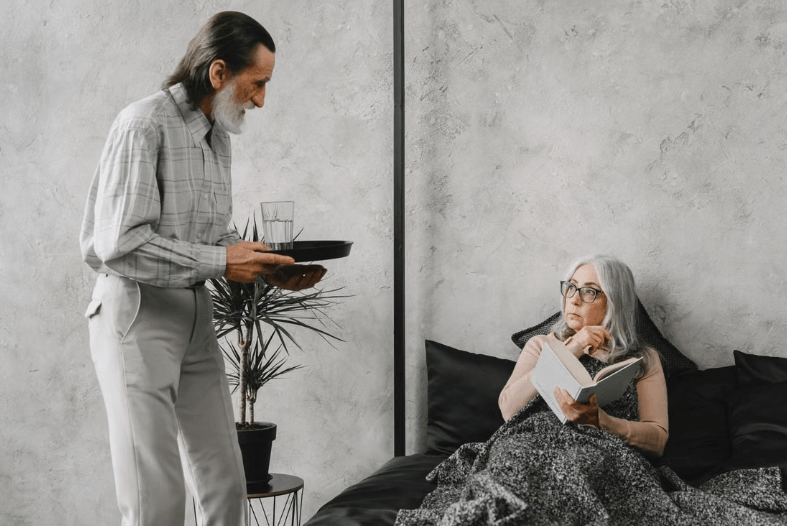
One of the most influential professional practices in senior care is personalized support. Older adults thrive when their routines, preferences, and personal histories are honored. Care teams who take time to understand how individuals prefer to begin their mornings, what brings them calm, and which activities feel meaningful can create experiences that feel natural rather than imposed.
For residents living with Parkinson’s or other conditions, adaptable guidance ensures comfort without implying constant supervision. Person‑first communication helps individuals feel respected and understood. When support aligns with familiar rhythms, well-being becomes a consistent part of daily life.
Environments Designed to Promote Comfort and Ease
Supportive environments
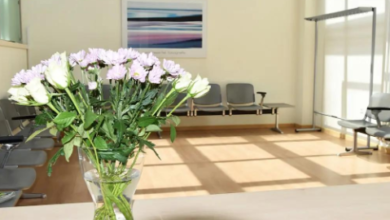
A thoughtfully designed environment plays a significant role in enhancing senior well-being. Wide hallways, clear pathways, supportive handrails, and well lit areas help residents navigate shared spaces with confidence. These features reduce physical strain and support safe movement throughout the community.
Emotional comfort is equally important. Warm lighting, familiar décor, and inviting lounges help create a sense of calm. Outdoor areas designed for gentle exploration or quiet reflection offer additional reassurance. When environments feel intuitive and welcoming, residents experience greater daily comfort and stability.
Predictable Routines That Support Emotional Balance
Predictable routines
Predictable routines help older adults feel grounded, especially during periods of transition or cognitive change. Professional care programs create structured daily rhythms that reduce uncertainty and support emotional balance. Mealtimes, wellness activities, social opportunities, and quiet reflection periods can be arranged in ways that feel familiar and reassuring.
For individuals experiencing cognitive changes, predictable routines help reduce confusion and promote stability. When days unfold with gentle consistency, residents feel more confident navigating their routines. This stability supports long-term comfort and emotional steadiness.
Meaningful Engagement That Strengthens Connection
Meaningful engagement
Meaningful engagement is essential for senior well-being. Professional care programs include opportunities for residents to connect through shared experiences, creative workshops, group discussions, or quiet hobbies. These interactions help reduce isolation and promote a sense of belonging.
Care teams gently encourage participation in ways that feel comfortable and supportive. For residents living with Parkinson’s or other conditions, structured engagement provides familiarity and ease. When individuals feel empowered to choose how they spend their time, emotional comfort becomes a natural part of daily life.
See also: How to Identify the Best SEO Company in Northern Virginia for Your Business
Conclusion
Senior well-being is strengthened through personalized support, thoughtfully designed environments, predictable routines, and meaningful engagement. These professional practices work together to create surroundings where older adults feel respected, comfortable, and reassured. When senior communities prioritize dignity, comfort, and emotional well-being, they help individuals enjoy a more fulfilling and grounded everyday lifestyle.