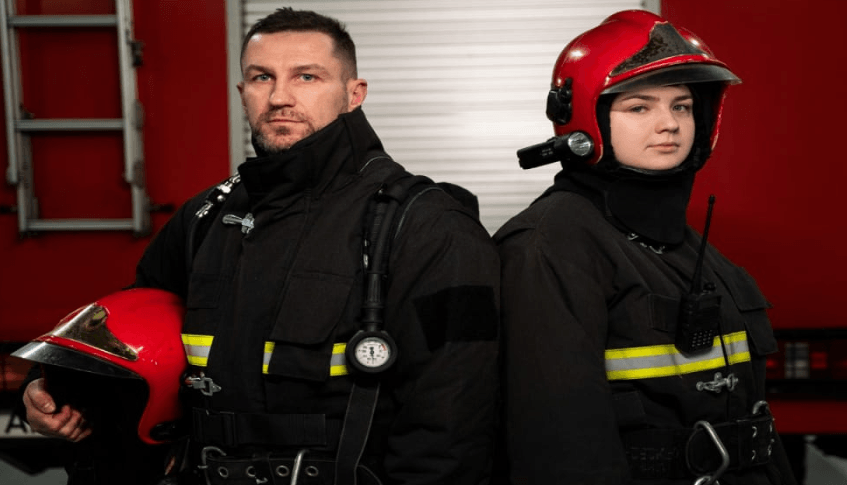
High-rise buildings require oversight when alarms, access routes, or protective systems face limits. High-rise fire watch personnel provide oversight across nearby levels, work areas, and corridors. Their presence helps staff notice hazards early; they guide people toward safe exits while keeping communication organized during disruptions. When extra monitoring is needed, fire watch services houston can support readiness for safer building operations.
Coordinating Floor Level Monitoring
Assigned guards check levels through rounds throughout operating hours. They observe blocked passages, unusual heat, smoke, damaged equipment, or unsafe activities that could increase danger; clear records help supervisors understand changing conditions without relying on scattered reports. Regular movement between floors keeps oversight active in areas with limited visibility; patrol timing should cover quieter periods during regular operating hours.
Maintaining Clear Exit Routes
Safe movement depends on corridors, stairways, and exit doors, remaining usable at all times. Guards check these paths while noting storage, construction materials, locked access points, or other barriers; they can alert responsible staff when an obstruction needs removal. Their presence also encourages occupants to keep routes open. Checks should include doors, stair access, corridor width, along with signs guiding occupants toward safe exits.
Supporting Fast Emergency Communication
Clear communication can reduce confusion when an urgent event affects floors. Guards relay observations to designated contacts while following established notification procedures; they can help direct occupants toward exits without creating crowding. Reliable reporting keeps floor information clear when several teams need updates. Additional support from fire watch services houston strengthens coordination and helps maintain organized communication during changing building conditions.
- Guards report unusual conditions promptly through approved communication channels.
- Floor checks help identify hazards before they become serious concerns.
- Clear directions reduce confusion near stairs during urgent movement periods.
- Written logs help supervisors review changing building conditions carefully.
- Assigned coverage keeps attention distributed across occupied levels consistently.
Strengthening Staff Readiness
Prepared teams respond more calmly when responsibilities are understood early. Guards can reinforce awareness of alarm procedures, exit routes, assembly areas, along with reporting expectations; short reminders help employees recognize their role without interrupting normal duties.
- Staff receive reminders about assigned emergency responsibilities during operations.
- Supervisors can review observations and adjust response procedures promptly.
- Occupants gain clearer awareness of nearby escape routes during evacuation.
- Routine checks encourage better attention to shared safety practices daily.
- Recorded findings support practical updates to preparedness plans effectively.
Managing Construction-Related Risks
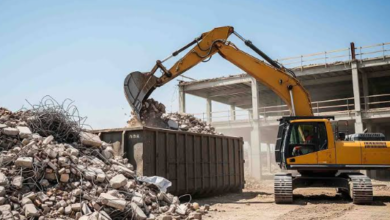
Renovation work can change access routes, storage patterns, along with protective arrangements between floors. Guards monitor temporary work areas for sparks, open access points, equipment concerns, or unsafe storage; they coordinate with responsible personnel when correction is needed. This oversight is useful when protective measures are temporarily unavailable; guards can watch changing work boundaries because temporary arrangements may shift during each work period.
Improving Multi-Floor Response
A response plan needs clear coverage for every occupied level. Guards follow assigned zones while aware of stair access, elevators, communication points, along with assembly directions; if an urgent condition develops, they can help guide people according to established procedures.
Readiness across buildings comes from patrols, open escape paths, quick reporting, along with clear assigned duties. Managers should match coverage with occupancy patterns, work activity, and access conditions. Reviews can reveal weak points before they create trouble. Trained guards give teams oversight while helping occupants follow procedures during disruptions. Fire hazards receive attention when observations are recorded and shared.
See also: Choosing the Right Commercial Linen for Hospitality Businesses
FAQ
What does high-rise monitoring involve across several floors?
It involves scheduled checks, clear reporting plus coordinated emergency support.
Why are exit routes checked regularly during building operations?
Regular checks help keep evacuation paths open for all occupants.
How can guards support communication during urgent building conditions?
They relay observations quickly while following approved notification procedures.